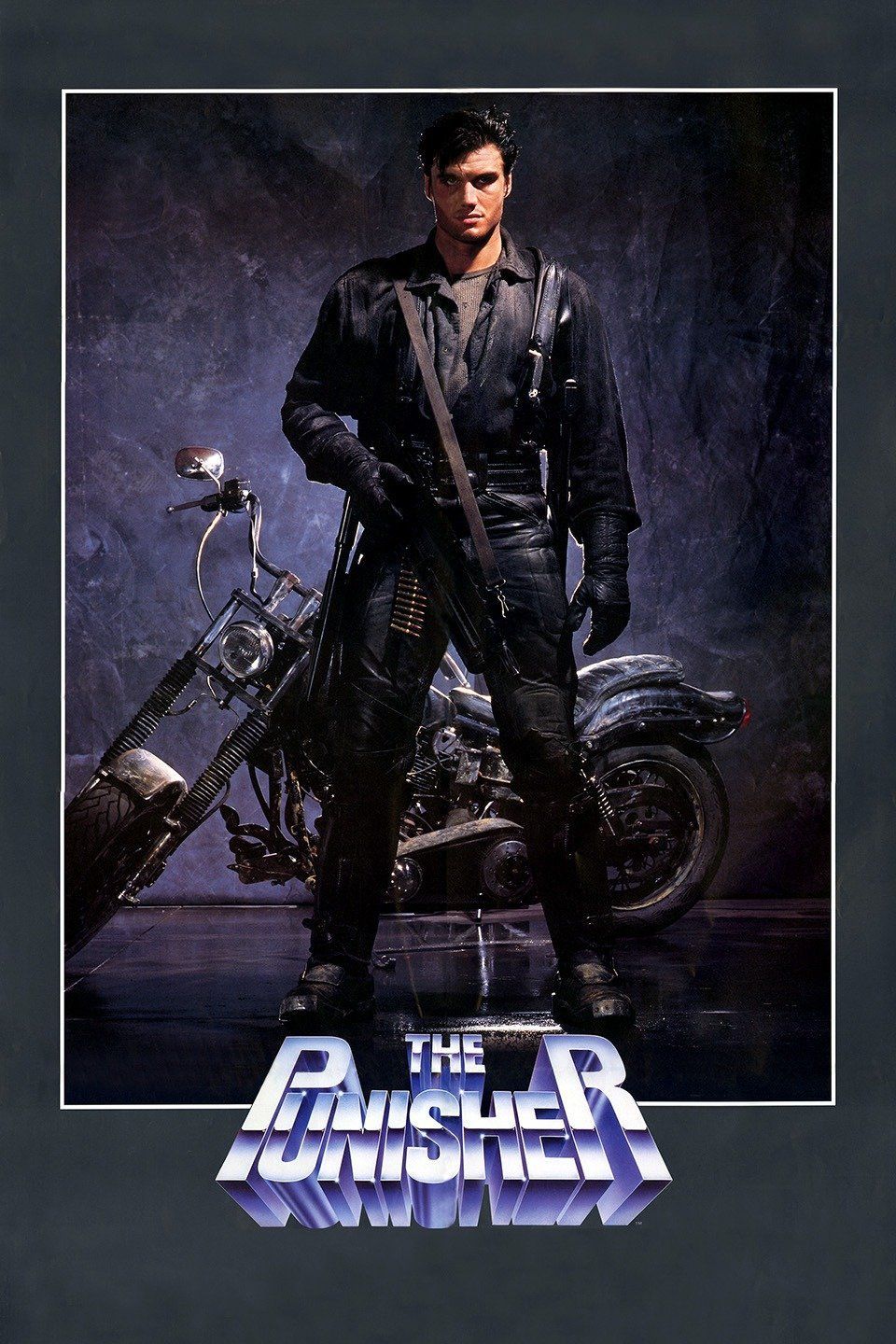
The Punisher
Regissert av Mark GoldblattHvor å se The Punisher





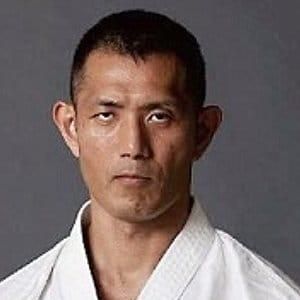



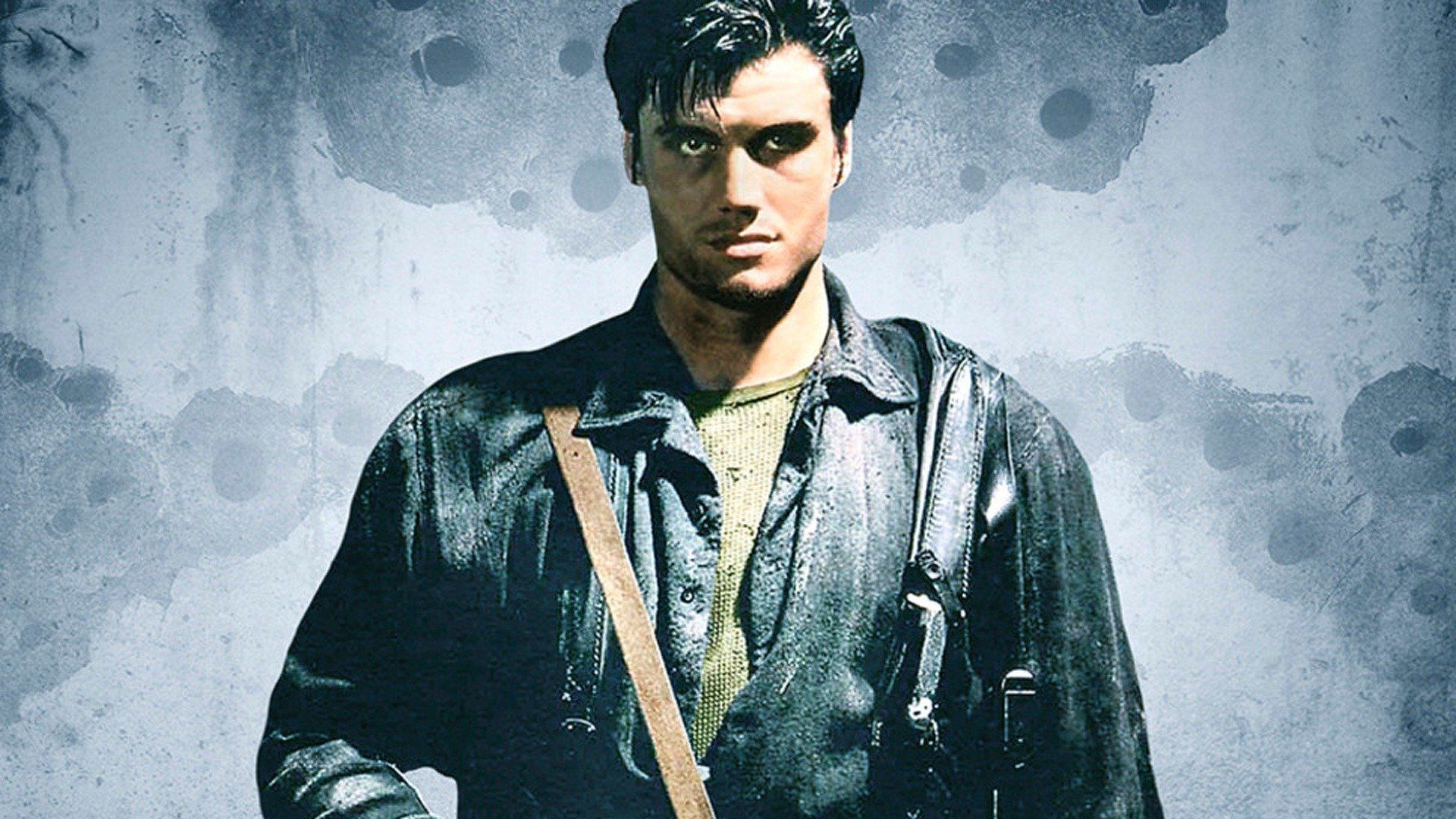
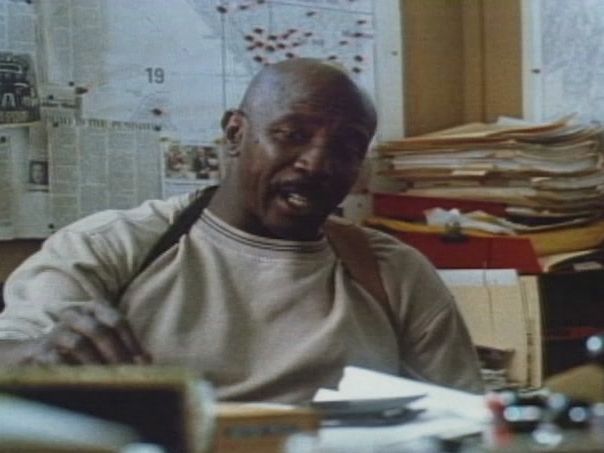
- Nasty Mcluvinz-3 d.Look, I'm just gonna say it — Dolph Lundgren IS the Punisher. Not was, not could've been. IS. Nobody who's ever put on that role looked the part the way he did. The man was 220 pounds of actual trained fighter walking into frame, and you felt every single pound of it. This isn't somebody acting tough. This is somebody who IS tough going through the motions of a man who has absolutely nothing left to lose. There's a difference and most people can't tell it on screen. You could tell it here. Every single scene. People talk about casting all the time. Oh this guy was born for this role, oh she was perfect for that part. It's usually just hype. This is one of the rare times it's actually true. Dolph was physically built for Frank Castle. The bone structure, the size, the dead eyes, the way he carries himself like the weight of everything he's done is sitting right on his shoulders and he's just used to it by now. That's not acting. That's presence. And you either have it or you don't. Dolph had it in this movie in a way that nobody who came after him ever quite matched. Thomas Jane was solid. Ray Stevenson was legitimately great in War Zone. The Netflix series with Jon Bernthal was excellent television. But none of them looked like Frank Castle the way Dolph did. When that man stares at you from the screen you believe he has done things he cannot come back from. That is the entire character distilled into one expression. That's the whole thing. The story is Frank Castle. Cop. Family gets wiped out by the mob in a car bombing. He doesn't go into witness protection. He doesn't move cities and try to rebuild. He disappears underground — literally, the man lives in the sewers — and spends the next five years hunting down every criminal he can find. 125 kills in five years. At some point that stops being revenge and just becomes who you are. It's a lifestyle. It's a vocation. And Dolph plays it exactly right. He's not sad about it. He's not conflicted. He's not sitting in the sewer journaling about his feelings. He's just committed. Dead eyes, minimal words, maximum violence. That is the character. That is Frank Castle. And this movie got it right in a way that a lot of people didn't appreciate at the time because they were looking for something flashier. And the action actually holds up decades later. They didn't take shortcuts with it. They hired real Kyokushin karate champions to play the Yakuza fighters instead of stuntmen, because those guys' sense of honor literally would not allow them to fake it. So every fight scene has real contact, real weight behind it. You can feel the difference between that and choreographed Hollywood stuff where everybody's pulling their punches. Nobody was pulling anything here. Dolph himself trained back down to his competition weight of 220 pounds for this film, revisiting the same regimen he used when he was an actual international karate champion. The guy was world class before he ever touched Hollywood and that physicality is on screen the entire runtime. When he moves it looks right. It looks like a man who knows exactly how to hurt somebody because he spent years learning how to do exactly that. The production design is dark and grimy and completely committed to the tone. This is not a movie that's trying to be charming. It's not trying to make you like Frank Castle or root for him in a feel-good way. It's not trying to give him a redemption arc or a love interest to soften the edges. It just drops you into his world and lets it breathe. The atmosphere is bleak and depressed and relentless and that's exactly correct for this character. Director Mark Goldblatt — who was primarily a film editor with credits on massive productions — brings a clean, efficient style to the whole thing. Nothing is wasted. Every action sequence moves. The pacing doesn't let up. Louis Gossett Jr. plays Berkowitz, Frank's former partner who's been trying to track him down for five years. He's solid. There's real tension between those two characters — you believe they had genuine history together, you believe Berkowitz actually gives a damn what happened to his friend even while he's trying to bring him in. The dynamic works. The Yakuza subplot — where the Japanese mob moves in on the Italian mob's territory and kidnaps their children — actually gives the third act something interesting to work with. It forces Frank into a situation where he has to make a choice that isn't just about pure punishment. It adds a layer without getting soft about it. Now here is the one thing. The one thing that I will never fully get over no matter how many times I watch this movie. They didn't put the skull on him. That's it. That's the whole thing. That is the single most recognizable image associated with this character in the entire history of Marvel Comics. The white skull on the black shirt. That's Frank Castle. That's the Punisher. It's not optional. It's not a detail. It IS the character's visual identity and they just didn't do it. No skull shirt. No explanation. Just Dolph in all black with nothing on his chest. It's like making a Batman movie and deciding the bat symbol is unnecessary. It's like doing Superman without the S. I don't know what conversation happened in that production that led to that decision but somebody made a bad call and you feel the absence of it every single time Frank Castle is on screen. It should have been there. It wasn't. That's the L. Critics at the time didn't get it. Rotten Tomatoes has it sitting at 28% which honestly tells you more about how critics approach this genre of movie than it tells you anything about the film itself. This came out the same year as Tim Burton's Batman, which was slick and stylized and designed to be taken seriously as cinema. This is the opposite of that. This is a man in a sewer who has killed 125 people and is about to kill more and doesn't feel anything about it either way. That's not for everyone. Critics don't know what to do with a movie that isn't trying to be liked. But that's exactly what makes it work for the people it was made for. The film got buried in the US — straight to home video because New World International was going bankrupt during distribution. That's a business problem, not a quality problem. Internationally it actually did solid numbers, pulling $30 million on a $9 million budget. The cult following it built over the years since is completely earned. This is a movie that rewards the right audience. If you're somebody who appreciates physical media, who collects cult action films, who respects the difference between a guy who trained for a role and a guy who just showed up — this one belongs on your shelf. Not as a guilty pleasure. As a genuine artifact of a particular moment in action cinema when they were still willing to make something this uncompromising and hand it to a guy who actually had the physical credentials to back it up. Dolph Lundgren was born to play Frank Castle. The skull should have been on his chest. Everything else in this movie is exactly what it needed to be.


The Punisher-trivia
The Punisher ble utgitt 7. oktober 1989.
The Punisher ble regissert av Mark Goldblatt.
The Punisher har en spilletid på 89m.
The Punisher ble produsert av Robert Mark Kamen.
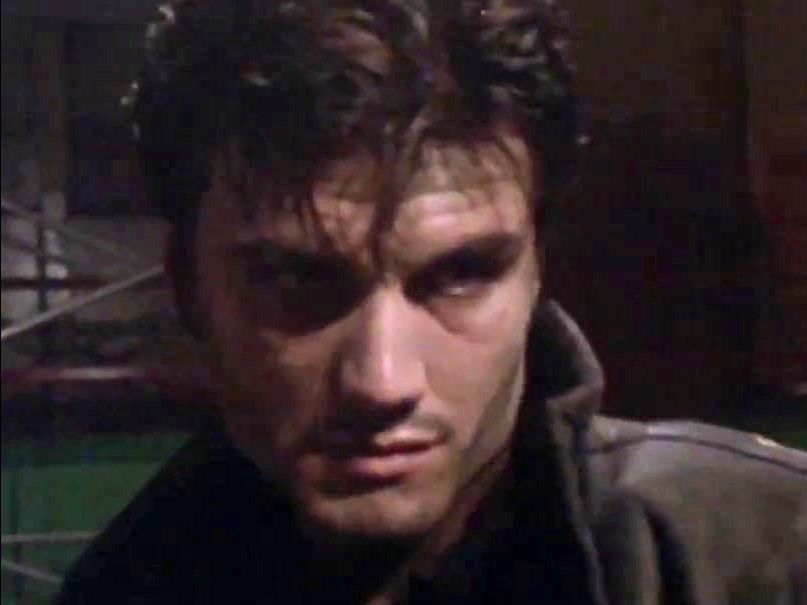
Based on the Marvel Comic, Dolph Lundgren is Frank Castle an ex-cop who lives in the sewers and acts as judge, jury, and executioner to the city's criminals in retaliation for the unpunished murders of his wife and kids. Frank's ex-partner Jake (Louis Gossett Jr.) finally catches up with the vigilante as he tries to stop the Japanese mob, which is trying to take over the city's mafia operation.
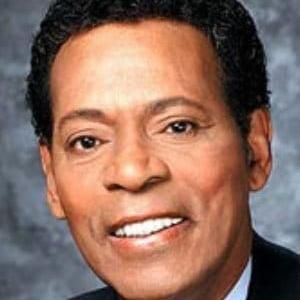
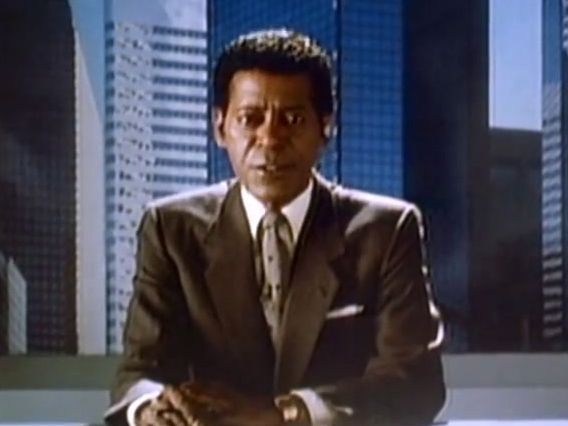
Hovedpersonene i The Punisher er Frank Castle (Dolph Lundgren), Jake Berkowitz (Louis Gossett Jr.), Gianni Franco (Jeroen Krabbé).
The Punisher har aldersgrensen R.
The Punisher er en Action, Thriller, Crime.
The Punisher har en publikumsvurdering på 3.3 av 10.
The Punisher hadde et budsjett på USD 9 mill..