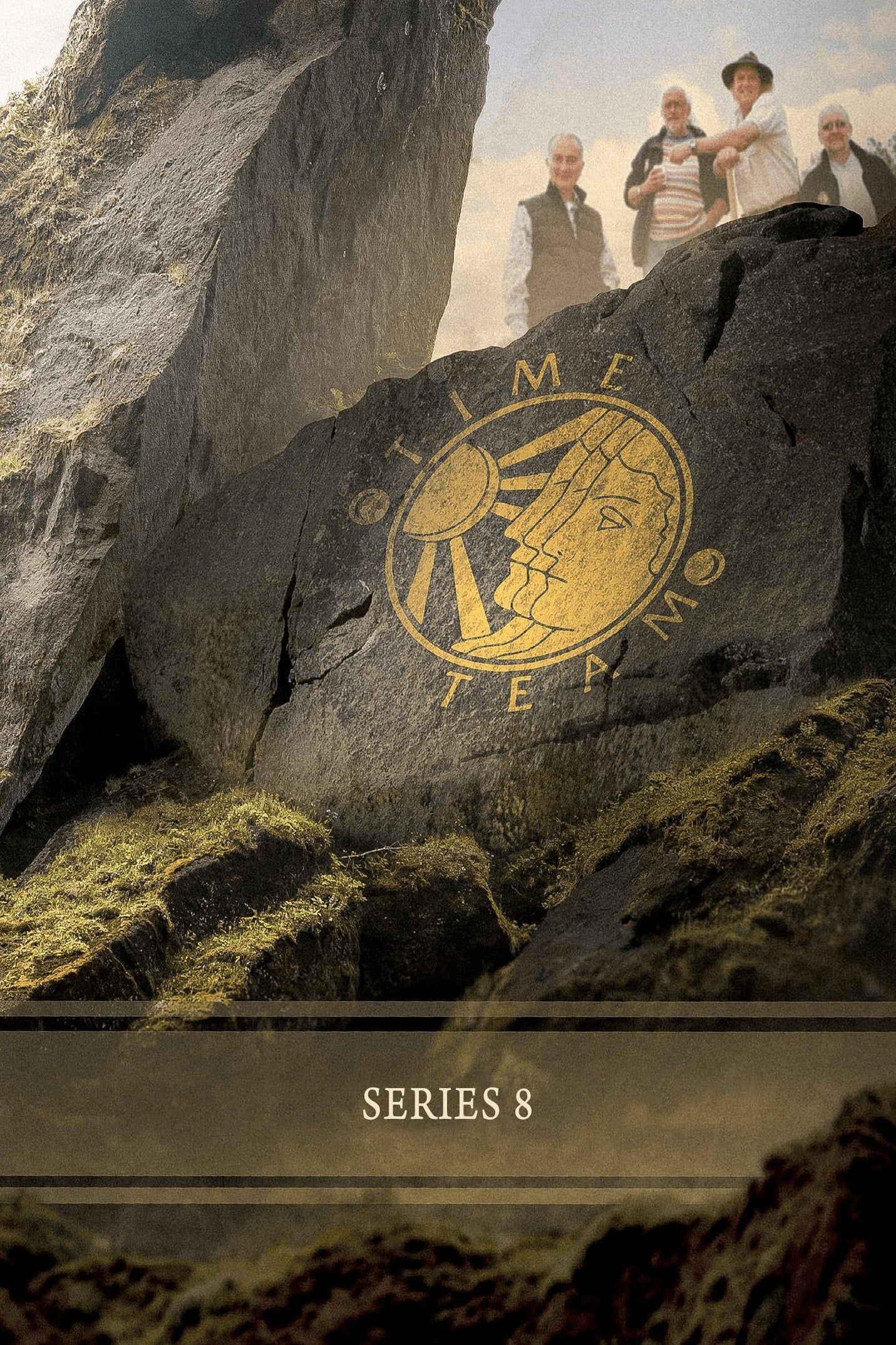
Time TeamSeizoen 8
A group of archaeologists have 3 days to discover historical artifacts in different sites around Britain.
Where to Watch Time Team • Seizoen 8
13 Episodes
- An Anglo-Saxon Cemetery - Normanton, Lincolnshire
 A1
A1An Anglo-Saxon Cemetery - Normanton, LincolnshireThe team are intrigued that an Anglo-Saxon cemetery should contain Roman pottery. They are joined by archaeologist Naomi Field, Maggie Darling (Roman pottery expert), Martin Welch (Anglo-Saxon expert), Irit Narkis (archaeological conservator), and Kevin Leahy (Anglo-Saxon cemeteries expert). - The Man Who Bought a Castle - Alderton, Northamptonshire
 A2
A2The Man Who Bought a Castle - Alderton, NorthamptonshireDerek Batten bought a plot of land advertised as a castle and moat; but there is little sign of a castle other than a tree-covered mound surrounded by a huge ditch. So he has asked Time Team to sort it out. Because the site is a scheduled ancient monument, the team have to get permission from English Heritage for strictly limited excavations. To complicate matters further, Tony has to adjudicate on a long-running boundary dispute. The team is joined by castles expert Philip Dixon. Phil Harding gets kitted-out in chainmail as a Saxon footsoldier, facing a mounted Norman warrior on a Spanish stallion. The site is finally identified as a ringwork castle, built on a previous Saxon structure around the time of the Norman Conquest. - The Celtic Spring - Llygadwy, Powys
 A3
A3The Celtic Spring - Llygadwy, PowysIn a secluded valley in Wales, what may be a medieval or even Roman trackway leads down to a natural spring. In the middle a megalith, a large standing stone, perhaps 3000 years older than the track and what appears to be a Neolithic tomb. - A Waltham Villa - Waltham Field, Whittington, Gloucestershire
 A4
A4A Waltham Villa - Waltham Field, Whittington, GloucestershireTime Team want to paint a picture of a family living in a Roman villa in the Cotswolds almost 2000 years ago. So they decide to dig a site near Fosse Way, only a few hundred metres from two previously excavated villas, in an area unusually dense with Roman remains. They are joined by Neil Holbrook, Roman specialist Richard Reece, and Finds specialist Alex Croom. Phil helps Peter Reynolds reconstruct a tribulum, a Roman threshing board. And the experts conclude that the villa was built very early after the Roman invasion, but abandoned – possibly for financial reasons – quite soon after. - The Lost Viaduct - Blaenavon, Torfaen
 A5
A5The Lost Viaduct - Blaenavon, TorfaenLooking for the world's first railway viaduct. 40 metres long, 10 metres high and 10 arches built in 1790. Yet within 25 years it had disappeared from the landscape. There was no record of it having been demolished so where has it gone? - A Palace Sold for Scrap - Rycote, Thame, Oxfordshire
 A6
A6A Palace Sold for Scrap - Rycote, Thame, OxfordshireTime Team try to find the remains of a grand country house that once played host to five reigning monarchs. What was left of the original Tudor mansion, built in the 1520s and believed to have burnt down and been abandoned in 1745. - An Iron-Age Roundhouse - Salisbury Plain, Wiltshire
 A7
A7An Iron-Age Roundhouse - Salisbury Plain, WiltshireAs well as being the British Army's biggest training ground it is one of Europe's most extensive areas of undisturbed archaeology believed to contain the remains of settlements spanning both the Iron Age and the Roman era. - The Bone Caves - Alveston, Gloucestershire
 A8
A8The Bone Caves - Alveston, GloucestershireA pile of bones has been discovered in a narrow cave. They include cows, dogs and a human skull, which have been dated to the late Iron Age Celts. Local archaeologist Mark Horton is keen to discover whether this is a ritual site or just a rubbish pit; so Carenza joins a team of cavers to find out. Every handful of mud must be hauled out and sorted. Meanwhile bone experts Andy Currant and Margaret Cox examine the finds so far. One female skull shows clear evidence of a violent death; and another elderly female was suffering from Paget's disease. The quantity of dog bones may indicate an ancient dog cult, as described by Richard Massey from English Heritage. Archaeometallurgist Andrew Lacey casts a bronze dog model, designed by Victor. In spite of strong geophysics, the surface digs initially show no archaeology at all. Back in the lab, Margaret and Andy make a macabre discovery. Celtic expert Miranda Aldhouse-Green suspects this all hints at human sacrifice. - The Inter-City Villa - Basildon, Berkshire
 A9
A9The Inter-City Villa - Basildon, BerkshireIn 1838, navvies laying Brunel's Great Western Railway found two Roman floor mosaics. The mosaics were broken up and the site almost forgotten until recent aerial photographs revealed a series of crop marks in the fields by the railway. - Holy Island - Lindisfarne, Northumberland
 A10
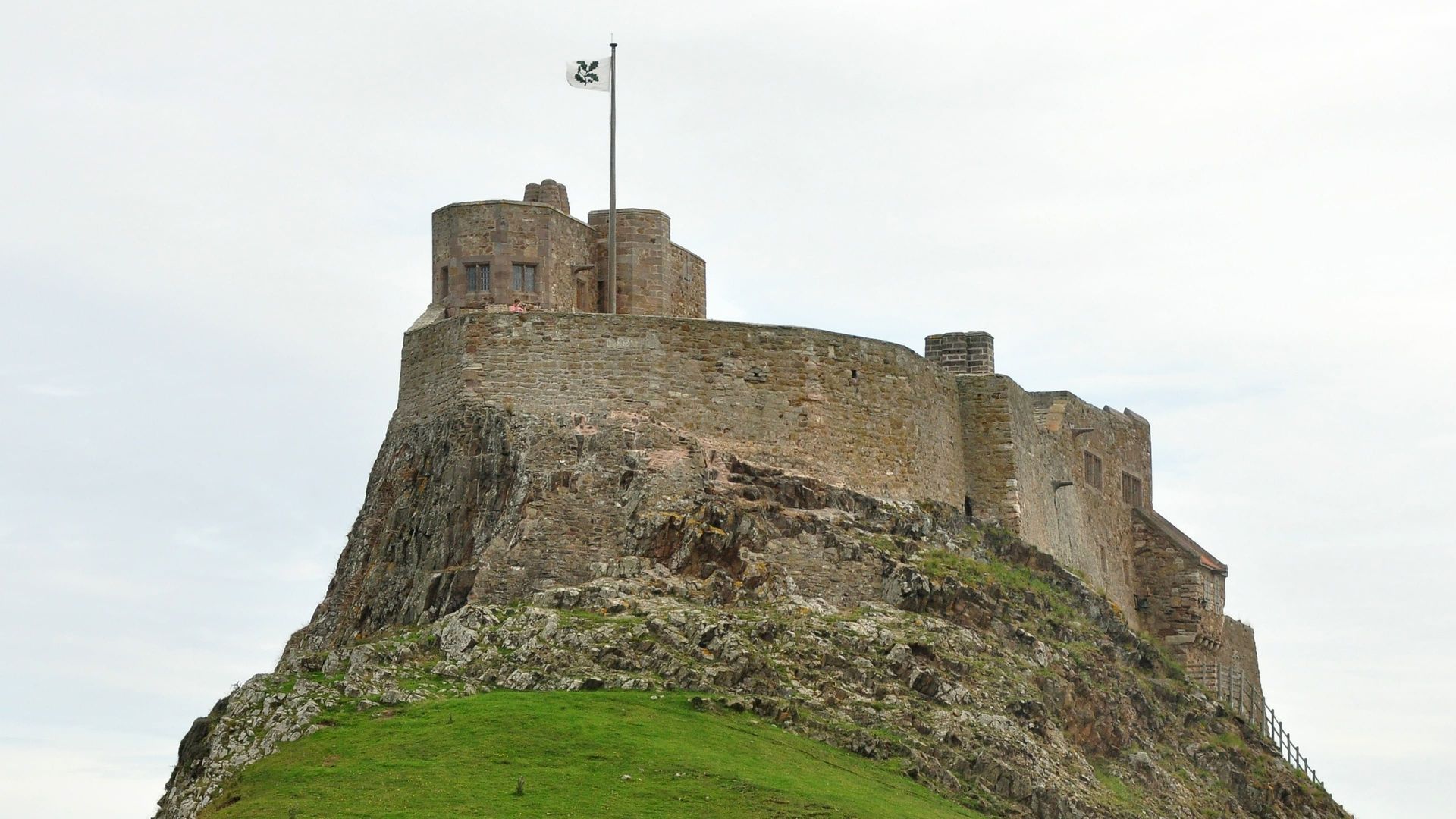
A10Holy Island - Lindisfarne, NorthumberlandThe team look at a wide range of historical deposits on the iconic Holy Island of Lindisfarne, including evidence of military activity in the 16th and 17th centuries. They are joined by John Heward (architectural historian), archaeologists Caroline Hardie and Richard Fraser, and pottery expert Jenny Vaughan. Phil Harding helps cooper Jim Newlands to make a traditional timber cask. - The Leaning Tower of Bridgnorth - Bridgnorth, Shropshire
 A11
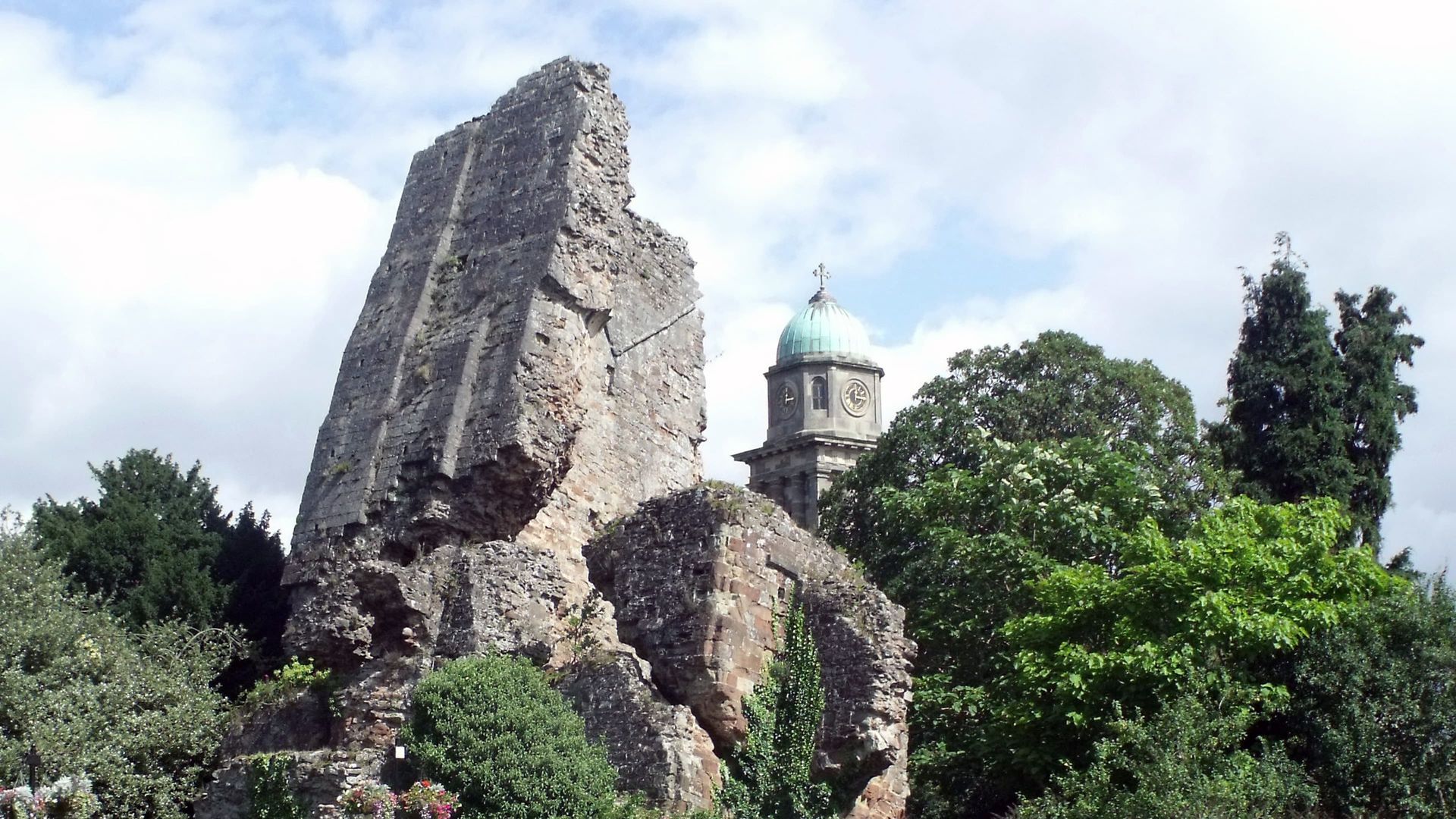
A11The Leaning Tower of Bridgnorth - Bridgnorth, ShropshireAll that is left of Bridgnorth Castle is the 70-foot Norman tower. The team are in the park, trying to piece together what it looked like in its heyday, 900 years ago. They must dig outside the area of the scheduled monument. Phil and a group of enthusiasts recreate a 12th-century catapult known as a perrier. They are joined by castle specialist Philip Dixon, Mark Horton from Bristol University, Small Finds expert Lynne Bevan, and pupils from nearby Oldbury Wells School. Finally Philip is able to describe the construction and layout of the castle. - Three Tales of Canterbury - Canterbury, Kent
 A12
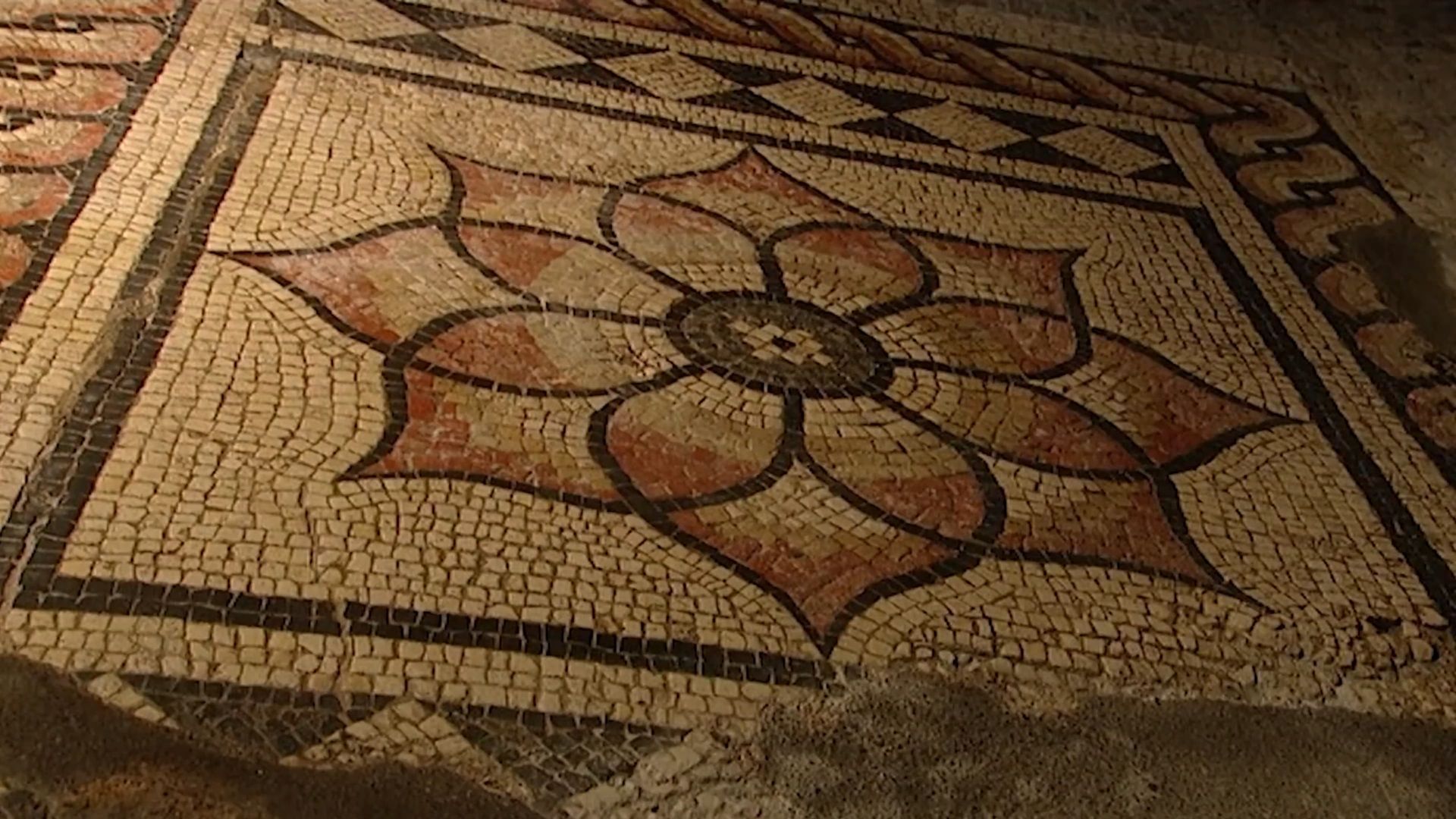
A12Three Tales of Canterbury - Canterbury, KentIn highlights from a previous live dig, the team visit the ancient city of Canterbury to investigate three separate sites, all connected by their religious functions. There is a Roman temple, a monastery, and a medieval site devoted to the construction of sacred buildings. Celebrity guests Liza Tarbuck and Sandi Toksvig are in attendance. - The Leper Hospital - Winchester, Hampshire
 A13
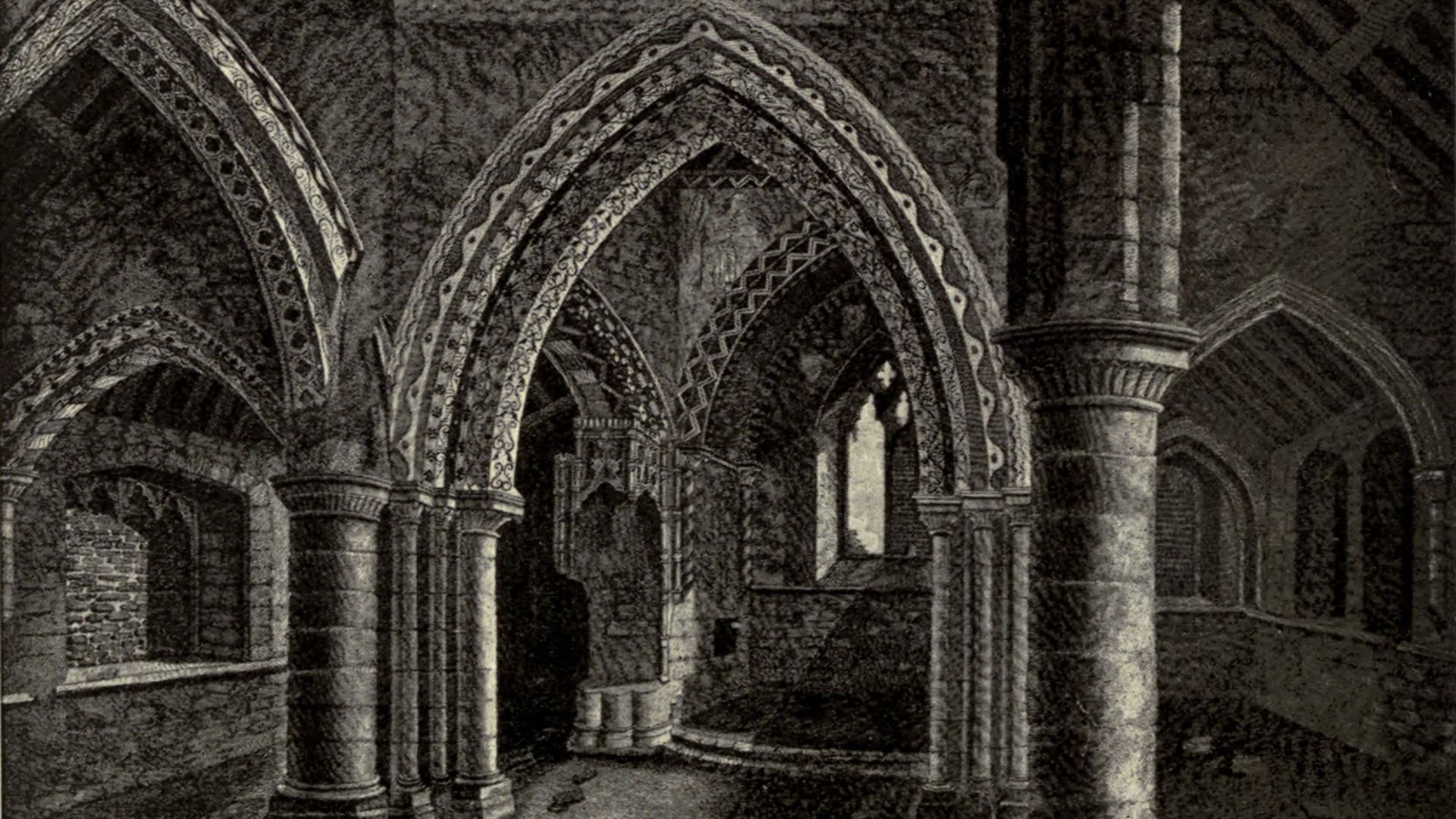
A13The Leper Hospital - Winchester, HampshireOutside of the city boundaries of Winchester, in what is today known as Hospital Field, once stood the St Mary Magdalen Leper Hospital. Probably founded in around 1140 by Henry of Blois, the superb chapel was recorded in engravings as a ruin in the 17th century. A large portion of the field was used as an army camp during WWI. A 180 metre well is discovered. Other trenches find the remains of the chapel, the Master's house, and the almshouses, as well as the cemetery, where a skull showing signs of leprosy is found. Within the chapel, an unusual double burial appears to be, as found in the records, the former Master of the hospital, followed almost 50 years later by his daughter. Victor sculpts a bust of a leper based on a skull excavated elsewhere. Nicholas Orme explains how lepers were viewed in the Middle Ages.