Cold War

Seizoen 1

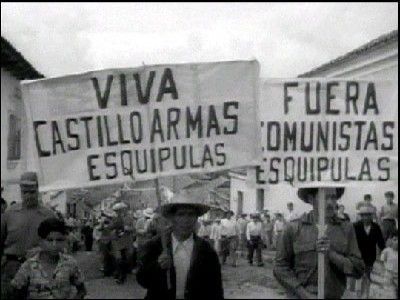
A 24-part series which deals with the relations between the United States, the Soviet Union and their respective allies between the end of World War II to the collapse of the Soviet Union in 1991.

Where to Watch Cold War • Seizoen 1

24 Episodes

  • Comrades (1917-1945)
    A1
    Comrades (1917-1945)Though ideological enemies, the Soviet Union and the United States are allies against Hitler during World War II. At the end of theWar, Europe is divided and the one-time allies now confront each other. The United States has the atomic bomb.
  • Iron Curtain (1945–1947)
    A2
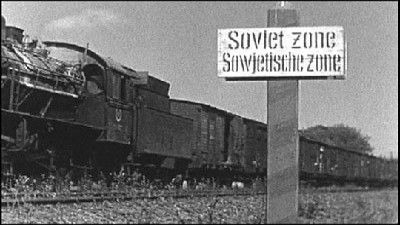
    Iron Curtain (1945–1947)The Soviet Union dominates Eastern Europe. Churchill warns about the consequences. Stalin insists that the governments of the Soviet Union's client states be pro-Communist. Impoverished after the war, Great Britain opts out as a world power.
  • Marshall Plan (1947–1952)
    A3
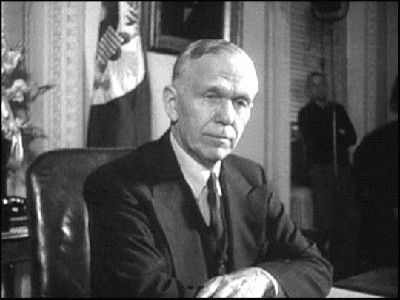
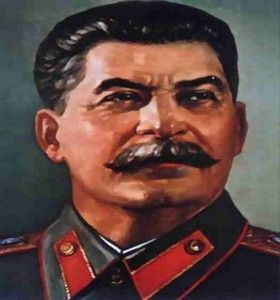
    Marshall Plan (1947–1952)The United States adopts the Truman Doctrine--it will defend freedom, worldwide. Secretary of State George Marshall plans to bolster economic recovery in Europe. Stalin sees this as a threat, and forbids his satellites to participate. The world divides.
  • Berlin (1948–1949)
    A4
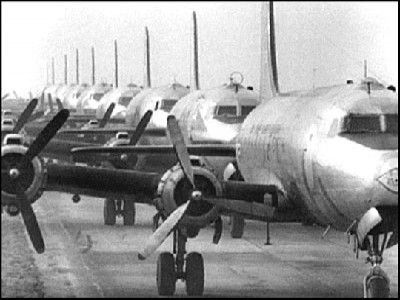
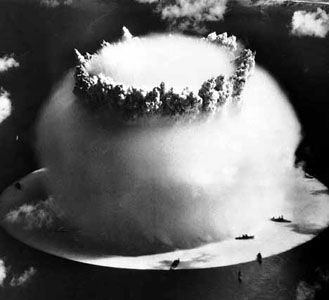
    Berlin (1948–1949)Berlin is a Western enclave in Eastern Europe. The Soviets blockade the city, but the allies airlift in supplies. NATO is formed.In August 1949, Soviet scientists explode an atom bomb, establishing nuclear parity between the two world superpowers.
  • Korea (1949–1953)
    A5
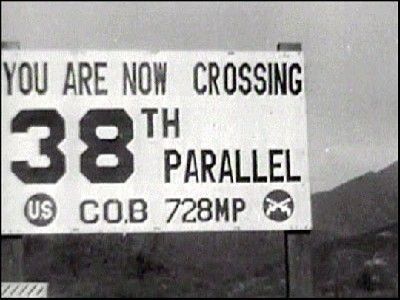
    Korea (1949–1953)Mao Zedong proclaims the People's Republic of China--the country is now lost to the West. In June 1950, North Korea invades the South, with Stalin's blessing. The United States, backed by the United Nations, defends South Korea and confronts China.
  • Reds (1948–1953)
    A6
    Reds (1948–1953)The world is polarized across an ideological divide. Following Stalin's domination of Eastern Europe, and the loss of China,American democracy succumbs to a bout of anti-communist hysteria, but survives it. Eisenhower is elected President.
  • After Stalin (1953–1956)
    A7
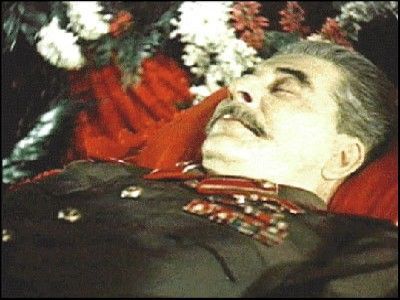
    After Stalin (1953–1956)Stalin's death brings hope that tensions will ease between the Soviet Union and the United States, and Nikita Khrushchev becomes the new Soviet Leader.
  • Sputnik (1949–1961)
    A8
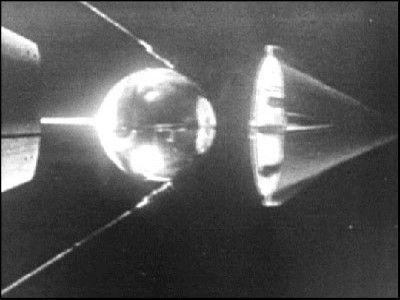
    Sputnik (1949–1961)In the mid-1950s, the Soviet Union seems to be forging ahead. In October 1957, the Soviet satellite Sputnik orbits the earth-to the dismay of the United States, which is frustrated with its own unsuccessful space program.
  • The Wall (1958–1963)
    A9
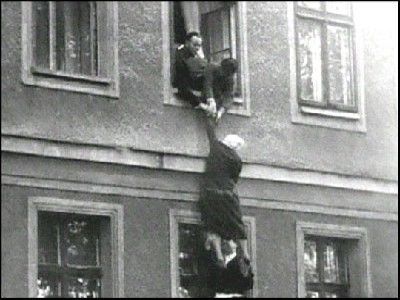
    The Wall (1958–1963)Stalin's death has brought about détente, but the fate of Germany is unresolved. West Germany is admitted to NATO. Thousands of East Germans escape to the West through Berlin. At the Vienna Summit in 1961, Khrushchev bullies the inexperienced Kennedy. The Soviets confirm the division of Germany. To keep their people in, the East Germans erect the wall.
  • Cuba (1959–1962)
    A10
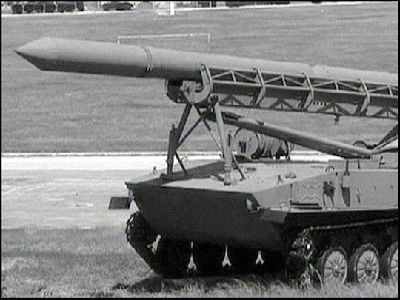
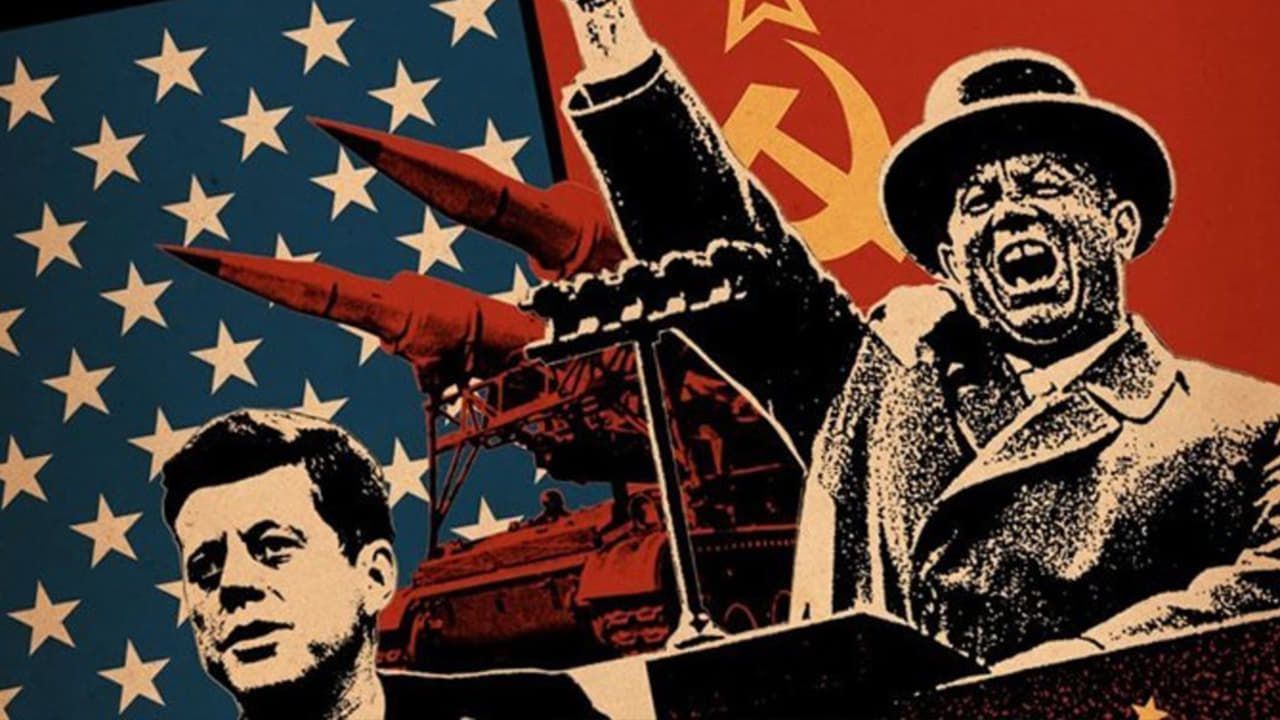
    Cuba (1959–1962)Contemplating U.S. missile power installed around the Soviet periphery, Krushchev decides to install short and medium range missilesin Cuba, America's backyard. The sites are detected and the U.S. blockades the island.
  • Vietnam (1954–1968)
    A11
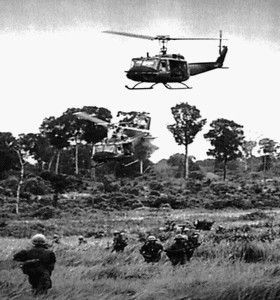
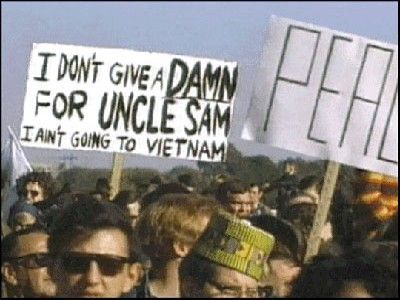
    Vietnam (1954–1968)The United States continues its containment of communism by becoming involved in Vietnam's ongoing struggle, leading to enormous public disapproval of the policy.
  • MAD (1960–1972)
    A12
    MAD (1960–1972)A look at how technology shaped the politics of the Cold War era, including the United States' Mutual Assured Destruction strategy and the introduction of missiles with multiple payloads.
  • Make Love Not War (The 60s)
    A13
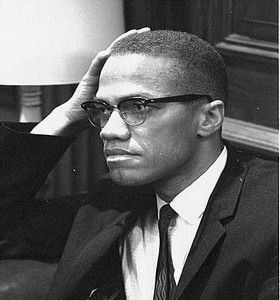
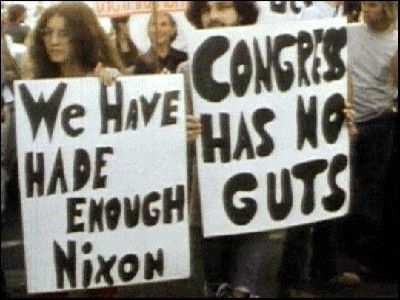
    Make Love Not War (The 60s)Western Economies grow and prosper, fueled partly by armaments production. Rejecting their parents' affluence and the Cold War, theyoung protest and rebel. There is racial violence in U.S. inner cities.
  • Red Spring (The 60s)
    A14
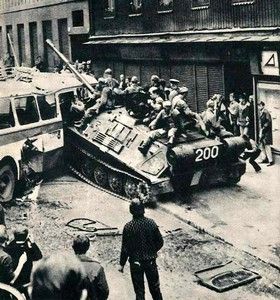
    Red Spring (The 60s)The Soviet Union continues its aggressive European policy by invading Czechoslovakia and crushing the Prague Spring Revolution.
  • China (1949–1972)
    A15
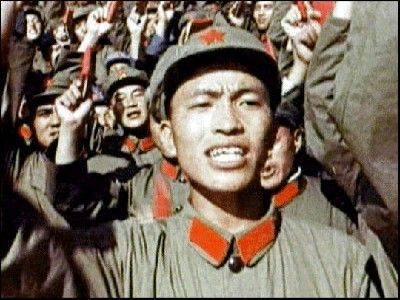
    China (1949–1972)Chinese Communists are victorious in the longest civil war in 20th century history. Mao Zedong's reforms are popular, but in 1958, he embarks on a series of catastrophic changes. A famine that kills 30 million people follows.
  • Detente (1969–1975)
    A16
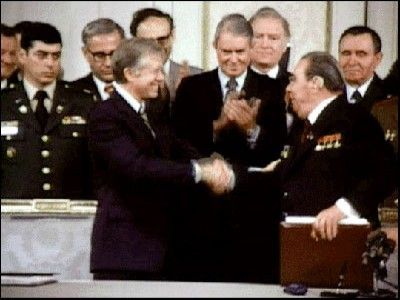
    Detente (1969–1975)A look at the era of detente that resulted in cooperation and exchange between the United States and the Soviet Union.
  • Good Guys, Bad Guys (1967–1978)
    A17
    Good Guys, Bad Guys (1967–1978)Across the world, the two superpowers back surrogates engaging in ideological and, sometimes, physical conflict. In the MiddleEast, the United States arms Israel; the Soviet Union arms Syria and Egypt. In 1967 and 1973, the two weapons systems clash.
  • Backyard (1954–1990)
    A18
    Backyard (1954–1990)The United States utilizes different ways to fight the spread of communism in its own hemisphere, from Guatamala to Grenada.
  • Freeze (1977–1981)
    A19
    Freeze (1977–1981)Unrest in Eastern Europe and the Oil Crisis threatens to undermine the progress made by detente.
  • Soldiers of God (1975–1988)
    A20
    Soldiers of God (1975–1988)Afghanistan is a brutal war that costs the lives of almost 15,000 Soviet conscripts and an estimated one million Afghans. "It was the Soviet Union's Vietnam syndrome," says Soviet aide Anatoly Chernyaev.
  • Spies (1944–1994)
    A21
    Spies (1944–1994)A look at the hidden front of the Cold War involving subterfuge and secret intelligence gathering.
  • Star Wars (1981–1988)
    A22
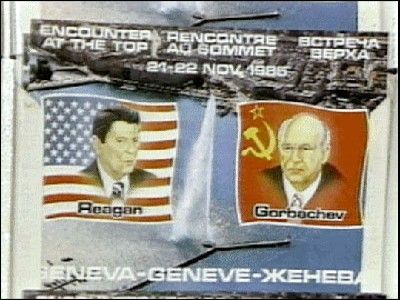
    Star Wars (1981–1988)The Soviet Union's economy falters as it struggles to keep up in the arms and technology race.
  • The Wall Comes Down (1989)
    A23
    The Wall Comes Down (1989)The Soviet Union loses its grip on Eastern Europe as the Berlin Wall comes down and the Cold War comes to an end.
  • Conclusions (1989–1991)
    A24
    Conclusions (1989–1991)The Cold War era comes to an end as the Soviet Union's empire falls and new policies are implemented by Mikhail Gorbachev and Boris Yeltsin.
  • Kenneth Branagh
  • Pat MitchellProducer
  • Jeremy IsaacsProducer
  • Martin SmithProducer

Get Plex on Your Devices

Free on 20+ platforms. Pick yours.
See all supported devices →

Get Plex on Your Devices

Free on 20+ platforms. Pick yours.
See all supported devices →