

Chama-me Pelo Teu Nome
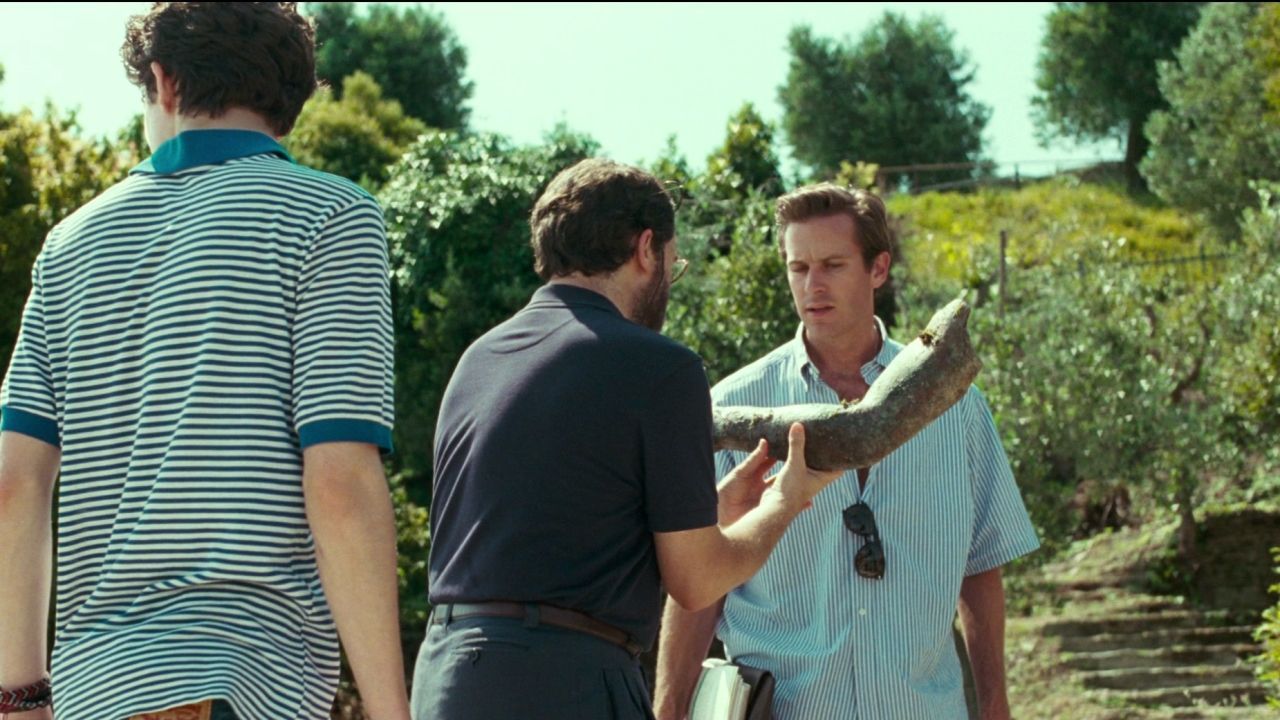
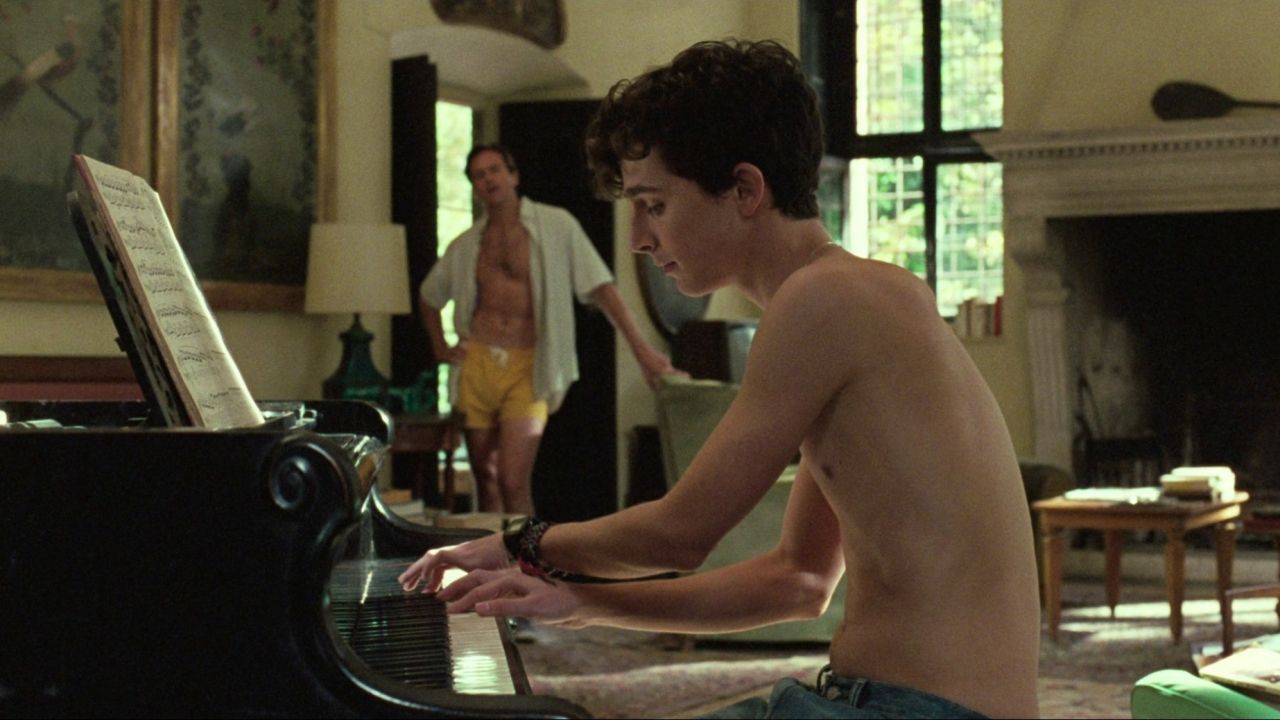
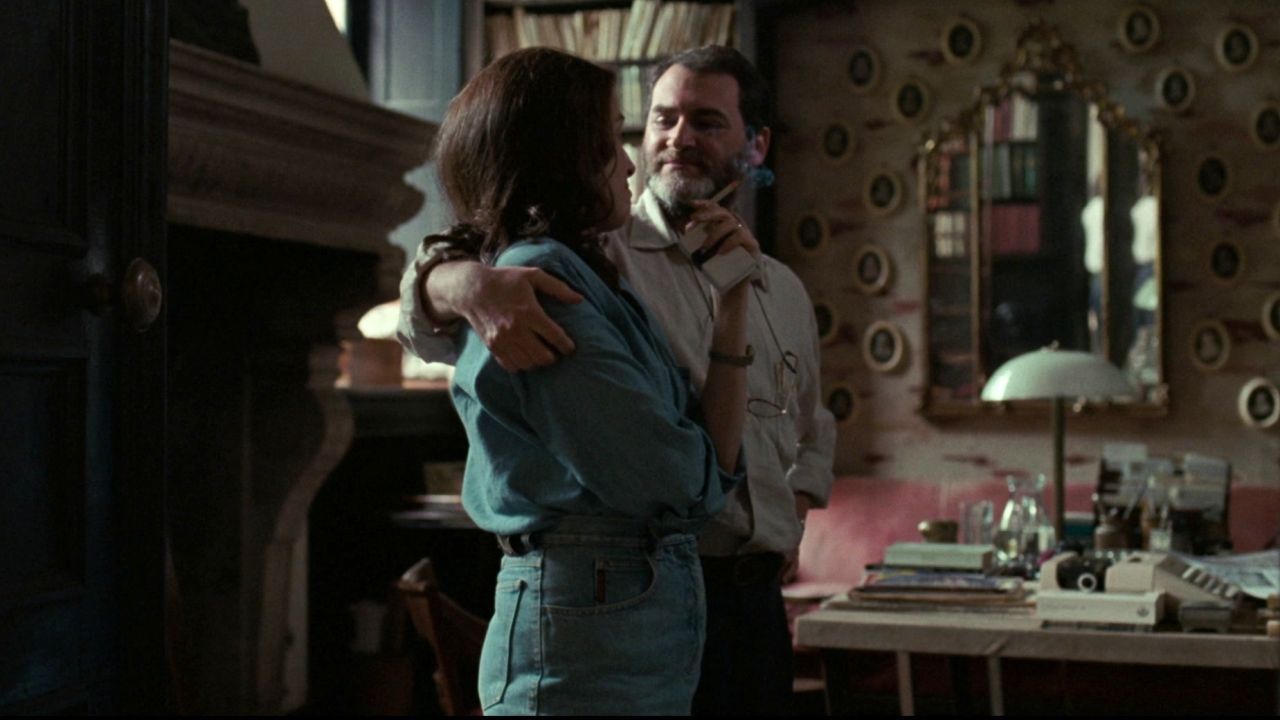
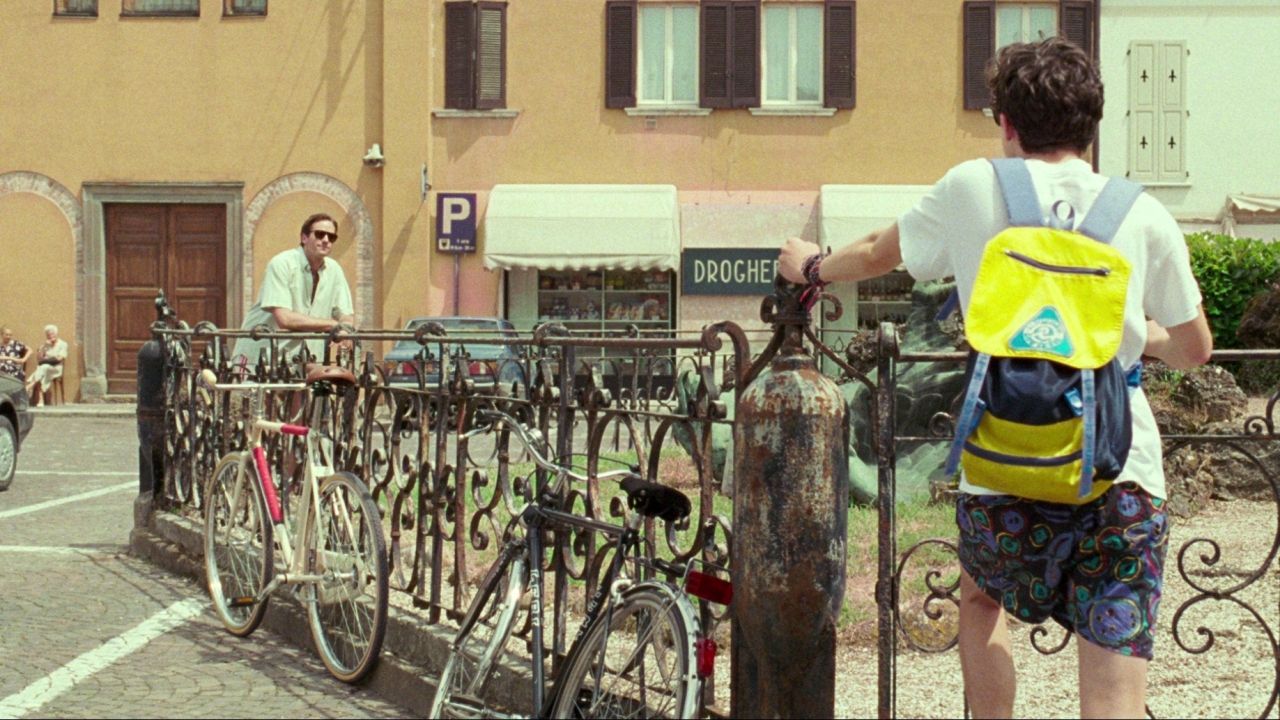
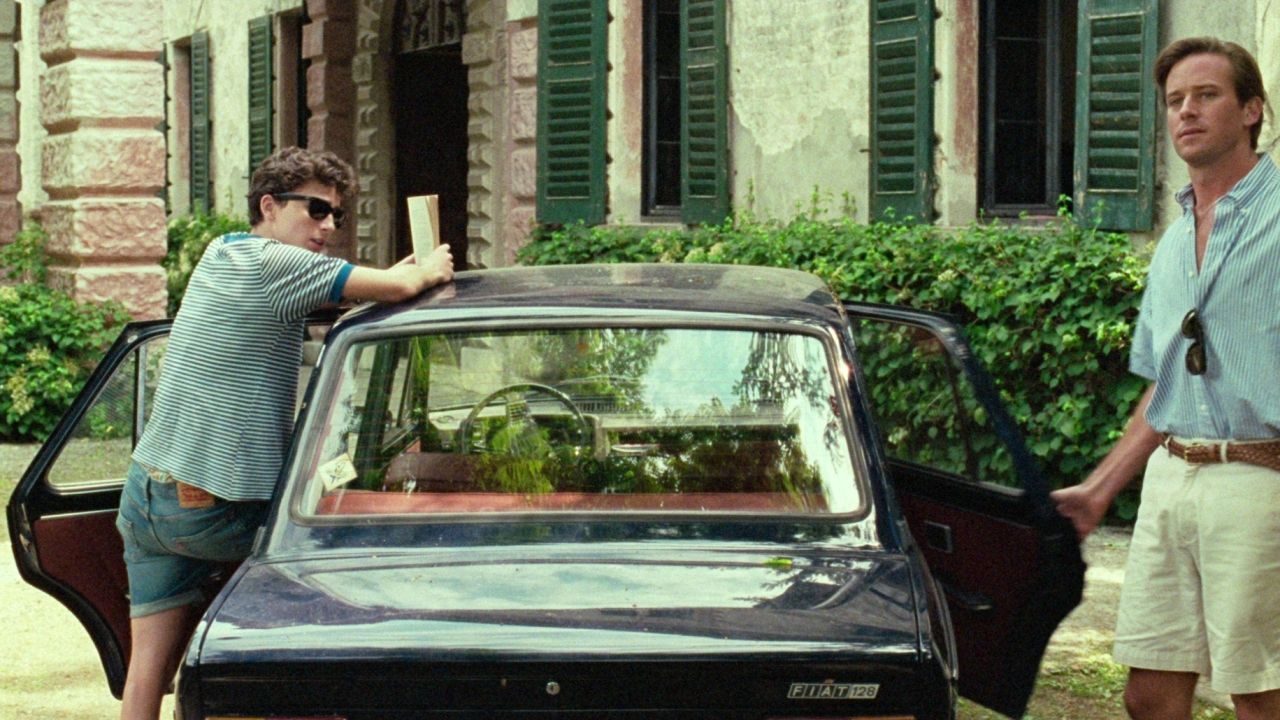
Dirigido por Luca GuadagninoVerão de 1983, norte de Itália. Elio Perlman, um precoce rapaz italo-americano de 17 anos, passa as férias na casa de família, uma mansão do século XVII, a transcrever e tocar música, a ler e a nadar. Elio tem uma relação próxima com o seu pai, um famoso professor especializado em cultura greco-romana, e a sua mãe Annella, tradutora. Apesar da sua educação sofisticada e talento natural, Elio continua a ser bastante inocente, principalmente em assuntos do coração. Um dia, recebe a visita de um aluno americano, Oliver, que será o novo assistente do seu pai. No meio do cenário deslumbrante, Elio e Oliver vão se aproximando um do outro, o que mudará para sempre as suas vidas.







Chama-me Pelo Teu Nome Avaliações & Comentários
- ananya18 de outubro de 2025all i can hear is "elio elio elio"
- Michael Heimgartner22 de abril de 2025I went into Call Me by Your Name with modest expectations—romance films aren’t usually my genre. But what unfolded before me was a cinematic experience of rare beauty, depth, and emotional precision. I was completely swept away. And by the time the credits rolled, I found myself in tears, not only because of the story, but because of the way it was told. The film, directed with quiet mastery by Luca Guadagnino, is a powerful testament to what cinema can achieve when narrative, image, sound, and emotion move in perfect harmony. Set in the golden haze of a northern Italian summer in the 1980s, it tells a love story that is both deeply personal and profoundly universal. It’s a coming-of-age tale, a meditation on time, desire, and memory—bittersweet and tender, like a song that never quite fades. From the first frame, the film draws you into its world: the sun-drenched countryside, the lazy pace of summer days, the distant hum of cicadas, the smell of ripe peaches, and the sound of piano echoing through an old villa. The cinematography is breathtaking. At times, it feels like you’re watching a series of impressionist paintings come to life. Every scene is composed with care, every detail feels intentional. The production design and costumes are equally stunning, capturing the essence of the 1980s without ever being overt. You’re not just watching this story—you’re in it, immersed in a world that feels achingly real and tangible. The editing style is fascinating—at times abrupt and restless, at other times lingering and meditative. This fragmented rhythm mirrors the emotional turbulence of youth and longing. Scenes don’t always connect in conventional ways, but they pulse with authenticity, capturing fleeting thoughts, gestures, and glances that carry more weight than any dialogue could. The soundtrack is, in a word, transcendent. Ludwig Göransson’s score is subtle and evocative, but it’s the inclusion of full songs—particularly those by Sufjan Stevens—that elevates the film into another emotional register. These moments are not mere background—they are essential, poetic interludes that carry the weight of entire scenes. And then, of course, there’s the cast. Timothée Chalamet gives a career-defining performance as Elio. He is vulnerable, raw, intellectual, awkward, and magnetic. Every emotion is worn on his face, often without a word being spoken. Armie Hammer brings a quiet strength and grace to Oliver, whose character could easily have become distant or unrelatable, but instead is infused with warmth and restraint. Together, they create a chemistry that is as delicate as it is intense. Their relationship is allowed to breathe, to unfold in silence, in music, in touches, and in unspoken glances. It is beautifully, achingly real. What truly sets Call Me by Your Name apart is its refusal to sensationalize love. It shows it for what it often is—fleeting, messy, quiet, powerful, and unforgettable. The film doesn’t rush or dramatize; it lets the viewer feel the passage of time, the slow build of connection, and the unbearable ache of goodbye. Some scenes pass almost too quickly, and yet they linger in the memory, like moments from one’s own life. The final act of the film is a masterstroke of emotional storytelling. It holds a mirror to the audience, reminding us that love, no matter how brief, can shape us forever. The final scene—anchored by one of the most subtle and devastating performances I’ve ever seen—left me completely undone. Call Me by Your Name is not just a film—it’s a sensation. It’s a longing, a memory, a distant summer that feels like it could have been your own. It speaks to anyone who’s ever loved deeply, lost quietly, and held onto a feeling long after the moment has passed. It’s a masterpiece. A reminder of why we go to the movies.
- nataliarogers15 de junho de 2025So sad but so beautiful
- MilanBervoets9829 de dezembro de 2025Not the Fairytale perfectness of love and connection. Human behavior is weird and everything is well portrayed in this movie.
- neuroparadox29 de julho de 2025A beautiful and touching coming-of-peach story. 🍑 Shout out to Jason Biggs 🥧
- Graham Cracker21 de dezembro de 2025A personal connection with this one… forever special in my heart.
- Rowan Krzysiak6 de janeiro de 2025A film that says most when it says nothing. Shows most when it shows nothing. Fawns ignorance yet knows everything. Deeply complex characters with deep cores and detailed frailed edges. Some stunning final scenes. Can't recommend easily but an enjoyable watch.


Assista vídeos de Chama-me Pelo Teu Nome




Trívia de Chama-me Pelo Teu Nome
Chama-me Pelo Teu Nomefoi lançado em 27 de outubro de 2017.
Chama-me Pelo Teu Nomefoi dirigido por Luca Guadagnino.
Chama-me Pelo Teu Nometem a duração de 2 h 11 min.
Chama-me Pelo Teu Nomefoi produzido por Marco Morabito, Luca Guadagnino, Rodrigo Teixeira, Emilie Georges, Peter Spears, Howard Rosenman, James Ivory.
Verão de 1983, norte de Itália. Elio Perlman, um precoce rapaz italo-americano de 17 anos, passa as férias na casa de família, uma mansão do século XVII, a transcrever e tocar música, a ler e a nadar. Elio tem uma relação próxima com o seu pai, um famoso professor especializado em cultura greco-romana, e a sua mãe Annella, tradutora. Apesar da sua educação sofisticada e talento natural, Elio continua a ser bastante inocente, principalmente em assuntos do coração. Um dia, recebe a visita de um aluno americano, Oliver, que será o novo assistente do seu pai. No meio do cenário deslumbrante, Elio e Oliver vão se aproximando um do outro, o que mudará para sempre as suas vidas.
Os caracteres-chave em Chama-me Pelo Teu Nome são Oliver (Armie Hammer), Elio (Timothée Chalamet), Mr. Perlman (Michael Stuhlbarg).
Chama-me Pelo Teu Nome é avaliado M/14.
Chama-me Pelo Teu Nome é um filme de Romance, Drama.
Chama-me Pelo Teu Nome tem uma classificação de audiência 8.6de 10.
Chama-me Pelo Teu Nome teve um orçamento de US$ 3,5 mi.
Chama-me Pelo Teu Nome fez US$ 43,1 mi na bilheteria.