- Obsession
 Synopsis: A man's desire for a beautiful woman to fall in love with him has terrible consequences when she begins to exhibit increasingly disturbing and obsessive behavior. Review: "Obsession," directed by Curry Barker, stands out as a disturbing reflection on love and human behavior. The plot revolves around Bear, a young man who, in his desperate search for love, resorts to an object called the "willow of desire" to manipulate the feelings of his childhood friend, Nikki. This premise, although fantastical, becomes a raw representation of the realities surrounding toxic masculinity and emotional dependence. What could be just a tale about misdirected love transforms into a deep dive into human vulnerability, exposing the pitfalls of desire and possessiveness. Inde Navarrette's performance as Nikki is, undeniably, one of the film's highlights. Her ability to move between moments of apparent fragility and explosions of uncontrolled rage is both impressive and unsettling. She manages to capture the essence of a woman whose own desires are distorted by Bear's selfish ambitions, becoming a mirror of the emotional complexities many women face. Navarrette brings depth to her expressions, elevating the film to an emotional sphere that evokes empathy and reflection. Curry Barker's choice to avoid typical jump scares is one of the most notable aspects of his direction. Instead of relying on cheap scares, he opts for a more subtle and psychological approach, using suffocating framing and low lighting to create an atmosphere of unease. The shadows that distort Nikki's expressions at crucial moments heighten the tension and allow the audience to experience a persistent sense of anguish. This suspenseful engineering transforms the film into an immersive experience, where true terror emanates from human interactions, not supernatural elements. Complementing this heavy atmosphere, Rock Burwell's soundtrack stands out as a central element in building the film's mood. In his feature film debut, Burwell uses music as an emotional tool, intensifying the sense of despair and instability that permeates the narrative. The compositions, which evoke a sense of unease, are absolutely essential in translating the feelings of claustrophobia and tension surrounding the characters, serving as a driving force for the film's overall experience. "Obsession" emerges as a work that, although based on mystical elements, addresses very real and contemporary issues. By questioning the expectations that men often place on women, the narrative provokes a necessary reflection on relationships and our own vulnerability.Obsession
 - Beauty and the Beast
 Synopsis: Belle, a resident of a small French village, sees her father captured by the Beast and decides to surrender her own life to the strange creature in exchange for her father's freedom. Inside the castle, she encounters magical objects and discovers that the Beast is actually a prince who needs love to return to his human form. Review: "Beauty and the Beast" (2017) is an enchanting adaptation of the classic Disney fairy tale that successfully captivated both fans of the 1991 original and new audiences. Directed by Bill Condon, the film blends the magic of animation with a contemporary touch, resulting in a visually stunning and musically vibrant production. One of the film's greatest strengths is its music. Iconic tracks like "Beauty and the Beast" and "Belle" are delightfully reinterpreted, while the addition of new songs composed by Alan Menken and Tim Rice brings even more emotional depth to the narrative. Emma Watson and Dan Stevens deliver impressive vocal performances, conveying the complexity of their characters' feelings. "Evermore," performed by Stevens, is a particular highlight, poignantly exploring Prince Adam's pain and loneliness. Another standout aspect of the 2017 adaptation is how the film explores deeper themes and nuances of the story. Including the backstory of Belle's mother a subject not widely addressed in the original animated film adds a new layer to the character. This addition not only enriches Belle's past but also helps explain her strength and determination. By incorporating elements that reflect family relationships and grief, the film becomes somewhat more grounded and relatable, especially for modern audiences. The cast is undoubtedly a highlight. Emma Watson brings beauty and intelligence to the role of Belle, while Dan Stevens perfectly embodies the Beast's duality. Luke Evans, as Gaston, is a blend of charm and arrogance, offering an interesting counterpoint to Belle's sensitivity. The supporting cast, featuring voices such as Ian McKellen and Emma Thompson, brings memorable characters to life, making the enchanted castle a vibrant place full of personality. The art direction and costumes create a magical world that captures the essence of the tale, while special effects bring the enchanted creatures to life in a way that aligns perfectly with the Disney aesthetic. The musical sequences are exceptionally well-choreographed, delivering a thrilling cinematic experience that dances across the screen. However, the adaptation is not without its critics. Some might argue that, in its attempt to introduce new narrative elements and emotional depth, the film sometimes loses the lightness and simplicity that made the original so beloved. Yet, overall, "Beauty and the Beast" manages to strike an admirable balance between nostalgia and innovation. In short, this film is a tribute to the classic story that not only respects its legacy but also significantly expands upon it. With memorable songs, brilliant performances, and newfound emotional depth, it offers an experience that delights both children and adults alike. It is a true celebration of love, acceptance, and self-discovery that is sure to leave a lasting mark on viewers' hearts.Beauty and the Beast
 - Invisible Life
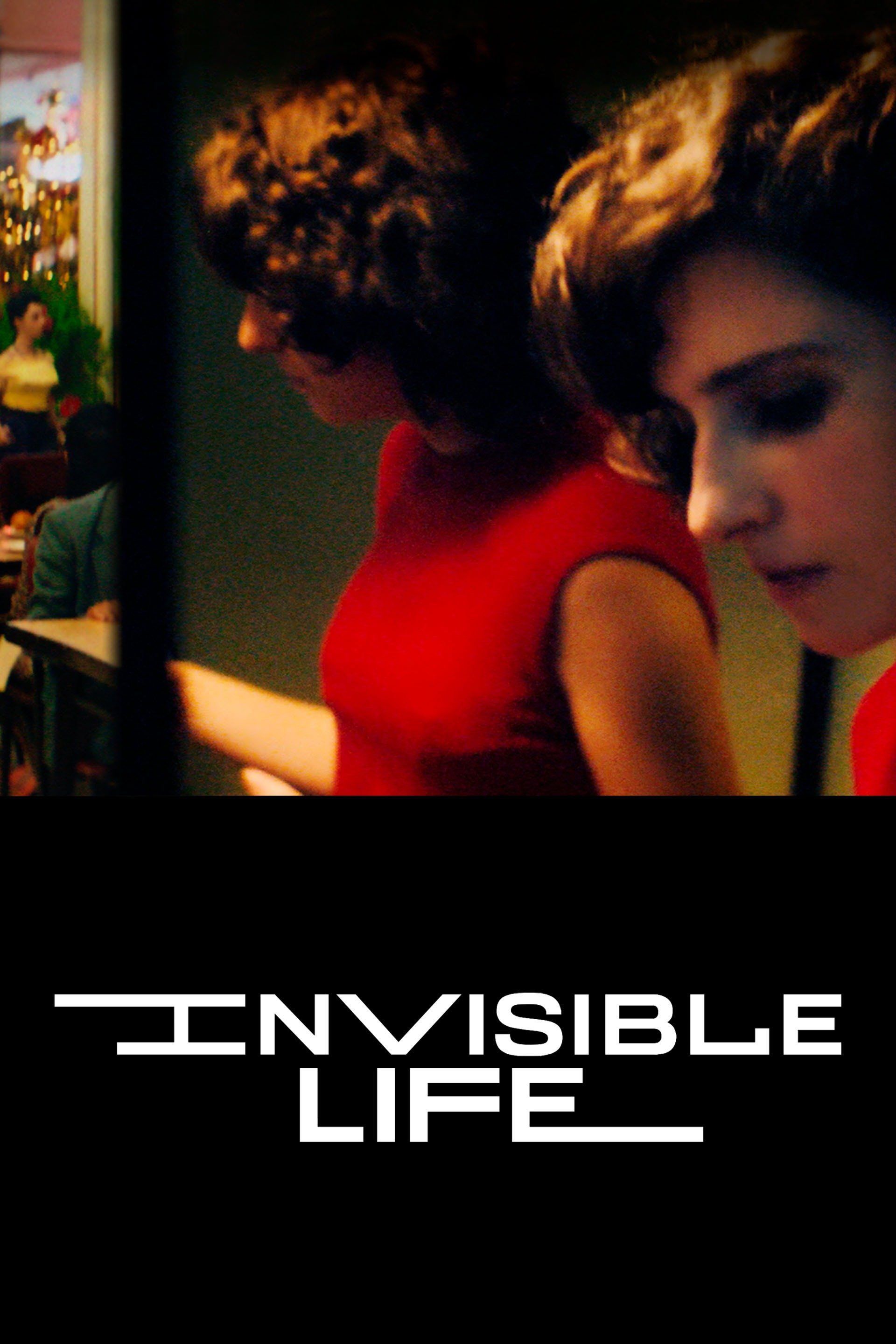 Synopsis: Old letters from her long-lost sister, Guida, come as a surprise to Eurídice, an 80-year-old woman. In 1950s Rio de Janeiro, Guida and Eurídice were cruelly separated, prevented from living out the dreams they had nurtured together as teenagers. Rendered invisible in a paternalistic and conservative society, they strive to move forward. Review: "The Invisible Life" (A Vida Invisível), directed by Karim Aïnouz, portrays the complexities of family relationships and the quest for freedom within a sociocultural context marked by repression. Set in 1950s Rio de Janeiro, the film tells the story of two sisters, Eurídice and Guida, whose lives intertwine in a narrative of love, pain, and a longing for autonomy. One of the film's greatest strengths is its ability to evoke deep emotions through a sensitive narrative. The cinematography is stunning, combining visual elements that capture both the beauty and the oppression of the era. Attention to detail from costumes to set design transports the viewer to a world where dreams and expectations clash with harsh reality. The performances are another highlight. Julia Konrad and Carol Duarte are moving and convincing as the sisters, reflecting their characters' strength and resilience. The bond between the sisters is palpable, and their individual journeys while painful are portrayed with a delicacy that humanizes their struggles. Fernanda Montenegro’s presence in "The Invisible Life" is a major asset to the film. She plays a matriarch who embodies the wisdom and complexity of family relationships. Although hers is not the lead role, her performance is impactful, adding a layer of depth to the narrative. Fernanda brings an aura of experience and gravitas that enriches the story. Her presence evokes the history and tradition that permeate the lives of the sisters, Eurídice and Guida. The character serves as a symbol of societal expectations and the patriarchy, reflecting the challenges faced by women of that era. The way Fernanda connects with her daughters' conflicts even without words demonstrates her mastery as an actress. She possesses the ability to convey both intense and subtle emotions, allowing the audience to feel her character's pain and struggle. Her gaze, her posture, and her silence heavy with meaning are enough to communicate the complexity of a mother who loves yet also acts as a repressive force. Her performance adds emotional weight to the film's central theme: the quest for freedom and identity. The mother-daughter relationship is often profound and complicated, and Fernanda captures this with delicacy. Her presence serves as a reminder that, even in a world that can seem indifferent, family connections are crucial. Furthermore, the film addresses relevant social issues such as the status of women and individual freedom sparking reflections that remain pertinent today. "The Invisible Life" is not merely a story about sisters; it is a critique of the patriarchy and the ways in which societies often silence female voices. Karim Aïnouz successfully balances pain and hope, creating a narrative that, even in its darkest moments, suggests the possibility of resilience and reconnection. The film is, therefore, a celebration of life and the search for identity in a world that often seeks to render people invisible. In short, "The Invisible Life" is a work that deserves to be seen and discussed, as it resonates deeply with anyone who has experienced the need for love and freedom. It is a touching tale that reminds us of the importance of amplifying voices that often remain on the margins.Invisible Life
 - Waves
 Synopsis: An epic emotional journey of a Black American family grappling with a tragic loss that profoundly affects their lives, as they navigate feelings of love, forgiveness, and unity. Review: "Waves" stands out for its emotional and visual approach, presenting a narrative that is both intense and reflective regarding family relationships in times of crisis. The first act introduces us to the life of Tyler, a young wrestler buckling under the pressure of a demanding father. Kelvin Harrison Jr.’s performance is remarkable, capturing the internal struggle of an athlete facing a critical juncture in his life. The portrayal of the father-son relationship rooted in high expectations and strict discipline is profound, prompting reflection on the demands society often places on young people. The tension and Tyler’s disastrous choices are delivered with powerful impact, culminating in a tragedy that triggers significant shifts in the family dynamic. Here, the narrative is vibrant, driven by a soundtrack that blends original compositions by Trent Reznor and Atticus Ross with music that resonates with the energy of youth and pain, creating an almost palpable atmosphere. The second act, shifting focus to Tyler’s sister, Emily, brings to the fore deep grief and a reflection on the search for love and forgiveness. The transition is bold, though it may leave the audience feeling as though the pace has slowed. While Emily’s emotional depth is explored, the narrative can feel somewhat sluggish following the intensity of the first act. This change in rhythm while contemplative may not hold the viewer's attention quite as effectively, resulting in an experience that some might find less engaging. Visually, the film is a work of art. Its innovative aesthetic is defined by shifting aspect ratios and the use of saturated neon colors, which help to viscerally convey the characters' emotional states. The intelligent use of the camera, featuring 360-degree movements, contributes to an immersive experience, plunging the viewer into the characters' internal and external tensions. Ultimately, "Waves"is a cinematic experience that challenges the viewer to contemplate the complexities of family life, love, and resilience. The combination of captivating performances, a powerful soundtrack, and an innovative visual aesthetic creates a film that is both an emotional journey and a reflection on the waves of life. However, the slower pace of the second act may leave viewers missing the energy found in earlier sequences, resulting in a mixed impression of the narrative as a whole.Waves
 - Minari
 "Minari" is one of those remarkable films that leaves you speechless regarding the cast especially the performances of Steven Yeun (Jacob) and Youn Yuh-jung (Soonja) and features an extraordinary score by Emilie Mosseri. It tells the story of a Korean-American family moving to an Arkansas farm in pursuit of their own American dream; amidst the challenges of this new life, they discover the family's undeniable resilience and the true meaning of home.Minari
 - North Hollywood
 Synopsis: Upon finishing school, a young man must decide between the dream of becoming a professional skateboarder and attending college, as his father wishes. Review: "North Hollywood" is a film that, while attempting to capture the essence of teenage dreams and the challenges inherent in forging one's own path, stumbles in moments that could have been far more profound and impactful. The premise of telling the story of Michael a young man passionate about skateboarding is promising, but the execution falls short. The narrative, which could have been an exploratory journey of self-discovery and growth, often gets lost in clichés and predictable situations. The relationship between Michael and his father intended to be the story's emotional heart is not sufficiently developed. The conflict arising from the choice between his dream and family expectations is a rich theme that could have been explored in greater depth; instead, it boils down to exchanges of dialogue that feel superficial rather than like a genuine emotional clash. Michael's friends, Jay and Adolf, have the potential to enrich the story by representing both the camaraderie and the challenges of pursuing a dream. However, these characters are not explored in a meaningful way, leaving their motivations and dynamics in the background without delivering the expected emotional highs and lows. Visually, the film effectively captures skate culture and the lifestyle of North Hollywood; yet, the soundtrack and visuals while pleasing cannot mask the plot's lack of substance. Mikey Alfred’s direction could have been bolder in exploring emotional aspects and the dilemmas of youth, rather than sticking to a script that, despite good intentions, fails to delve deep enough to be truly satisfying. Ryder McLaughlin, in the lead role, has moments of brilliance that showcase his potential, but his performance is hampered by a script that denies him the opportunity to truly shine. The same applies to Vince Vaughn and Miranda Cosgrove, whose talents are underutilized in roles that feel more like archetypes than three dimensional figures. Ultimately, "North Hollywood" attempts to address themes such as the search for identity and family pressure, but the lack of robust character and plot development hinders viewer immersion. It is a film that, despite good intentions and a solid premise, fails to live up to its full potential. Instead of offering a profound reflection on the challenges of youth and the pursuit of a dream, it ends up being a skateboarding journey that never quite takes off.North Hollywood
 - Lurker
 Synopsis: Matthew, a bored retail worker, infiltrates the inner circle of Oliver, a rising musician. As Matthew's obsession grows, the line between friendship and unhealthy fixation blurs, turning his quest for fame and proximity into a dangerous matter of life and death. Review: "Lurker," the debut film by Alex Russell, attempts to delve into the complex relationship between fame and obsession a highly relevant theme in today's society. The narrative centers on Matthew Morning, a shop worker catapulted into the world of celebrity after a chance encounter with musician Oliver. While the premise offers an intriguing foundation for a psychological thriller, the plot's execution leaves something to be desired. The characters are introduced with potential, yet the emotional depth that could have elevated the story is often sacrificed for sequences that drag or could have been more concise. The dynamic between Matthew and Oliver is interesting, but it lacks the depth needed to make the relationship truly convincing. The resistance Oliver's friends show toward accepting Matthew presents a promising source of conflict, yet it is explored only superficially. Visually, the film bears the influence of renowned directors like Polanski, but at times, the aesthetic choices fail to translate into a satisfying narrative impact. The suspenseful atmosphere which could have been palpable loses momentum due to uneven pacing and a lack of development during key moments. The intention to address how pop culture shapes human interactions and contemporary obsessions is valid, but the execution ultimately leaves a sense of disjointedness. "Lurker" has a premise that could have been realized more effectively; instead, it gets lost in its own ambition, failing to deliver the intensity and emotional claustrophobia expected of the genre. Consequently, while the film has its interesting moments, it falls short of the potential it initially promised.Lurker
 - Interstellar
 Synopsis: Earth's natural resources are running out, and a group of astronauts is tasked with verifying possible planets to receive the world's population, enabling the continuation of the species. Cooper is called to lead the group and accepts the mission knowing he may never see his children again. Alongside Brand, Jenkins, and Doyle, he will search for a new home. Review: "Interstellar," directed by Christopher Nolan, is a masterpiece that transcends the boundaries of the sci-fi genre. The film not only challenges narrative conventions but also offers a cinematic experience rich in emotion and philosophical depth. One of the most remarkable aspects of "Interstellar" is its approach to the relationship between love and science. The film explores how love can be a factor that transcends time and space, further connecting the viewer to the characters. Matthew McConaughey, as Cooper, delivers a powerful performance, conveying a range of emotions that resonate deeply. His quest to save humanity and his daughter is touching and universal, creating an emotional bond that makes the entire journey even more impactful. The themes that permeate the narrative, such as the sustainability of Earth and the need for space exploration, are extremely relevant in the current context. Nolan's vision of humanity's future is both bleak and hopeful, leading the audience to reflect on their role in the world and in future generations. Visually, "Interstellar" is stunning. Hoyte van Hoytema's cinematography, combined with innovative visual effects, creates a vivid and believable universe that transports the viewer to experiences beyond imagination. Each planet, each journey through the black hole, is designed with a realism that fascinates and provokes questions about the unknown. Hans Zimmer's soundtrack complements the narrative sublimely, providing an emotional atmosphere that amplifies the tension and beauty of the scenes. The compositions deliver moments of intense introspection and action, making the experience even more immersive. Ultimately, "Interstellar" is a reflection on the human condition, the pursuit of knowledge, and the struggle against adversity. It's a film that not only entertains but also sparks profound conversations about our place in the universe. With its complex narrative and stunning visuals, "Interstellar" solidifies itself as a modern classic that will remain in the memory of audiences for generations.Interstellar
 - Wicked
 Synopsis: In the Land of Oz, a young girl named Elphaba forms an unlikely friendship with a popular student named Glinda. After an encounter with the Wizard of Oz, their relationship soon reaches a crossroads. Review: "Wicked," directed by Jon M. Chu, is a masterpiece that reinterprets the classic story of the Oz universe in an engaging and moving way. The film transforms the original narrative into a powerful journey of friendship, love, and self-discovery, focusing on the unlikely relationship between Elphaba and Glinda. The scenery is stunning, transporting the audience to a magical and vibrant world. The colors, production details, and unique aesthetic create an environment that not only delights the eyes but also reinforces the film's emotional narrative. The city of Oz comes to life in an impressive way, offering a perfect backdrop for the characters' complex emotions and dilemmas. The cast is simply exceptional. Elphaba's performance, portrayed by Cynthia Erivo with remarkable vocal talent, brings to life the character's internal struggle and emotional depth, allowing the audience to connect with her story of overcoming adversity and acceptance. Glinda, on the other hand, captivates with her charisma and humor, perfectly balancing Elphaba's seriousness with lightness and charm. The chemistry between the two protagonists is palpable, making the evolution of their friendship even more impactful. The music is another great attraction of the film. With striking compositions and memorable lyrics, each song advances the narrative and reveals the complexities of the characters. "Defying Gravity" stands out as an empowerment anthem, while other tracks offer a combination of emotion and fun that resonates with the audience. "Wicked" is a celebration of individuality and friendship amidst adversity. Jon M. Chu captures the essence of the original material and expands upon it, offering a fresh, rich, and multifaceted vision of this beloved universe. The film promises to please both fans of the musical and new viewers, enchanting everyone with its magic, music, and boldness. It's a cinematic experience that will remain in memories and hearts for a long time.Wicked
 - All Quiet on the Western Front
 Synopsis: Teenager Paul is drafted to serve on the front lines of World War I. The young man begins his military service with idealism and enthusiasm but is soon confronted by the harsh reality of combat. Review: "All Quiet on the Western Front," directed by Edward Berger, is a powerful adaptation of Erich Maria Remarque’s novel that brings the brutal reality of war to the fore in a dark and visceral manner. Released in 2022, the film stands out not only for its impactful storytelling but also for its impressive production quality. From the opening scenes, the film establishes itself as a landmark in the war genre, featuring a level of realism that transcends anything seen before. The combat sequences are unsettling and relentless, depicting the violence and desperation of battle in raw detail. This realistic approach, combined with meticulous direction, allows the viewer to feel the tension and chaos faced by the soldiers, dismantling the romanticized ideal of heroism so heavily promoted by the State. The cinematography is stunning and meticulously crafted, capturing both the terrifying beauty of the battlefields and the hopelessness in the soldiers' eyes. Each frame is a work of art that transports us directly into the harrowing experience of Paul Bäumer and his comrades. The muted color palette and somber settings help create an oppressive atmosphere that feels almost palpable. The production itself is noteworthy, featuring careful details that immerse the audience in the era and the soldiers' living conditions. Costumes, equipment, and sound effects are all designed to maximize authenticity, making the viewing experience as intense as it is revealing. Beyond its impressive aesthetics, the film adds a new dimension to the plot by including the storyline of the Armistice of Compiègne negotiations; while not present in the original work, this addition provides context that enriches the narrative. This broader approach resonates with the novel's pacifist message and reinforces the futility of war. The film is anchored by superb performances particularly that of Felix Kammerer, who portrays Paul Bäumer with emotional depth, capturing his journey from innocence to hopelessness. Character development is meticulously crafted, allowing the audience to connect with the human dilemmas faced by each soldier. The dynamic between them, marked by both camaraderie and despair, reinforces the central message regarding the dehumanization imposed by war. "All Quiet on the Western Front" is undoubtedly a modern masterpiece that serves as a powerful reminder of the horrors of war, cementing its place as one of the most impactful adaptations ever made.All Quiet on the Western Front
 - Hamnet
 Synopsis: William Shakespeare and his wife, Agnes, celebrate the birth of their son, Hamnet. However, when tragedy strikes and Hamnet dies at a young age, it inspires Shakespeare to write his timeless masterpiece, *Hamlet*. Review: "Hamnet," directed by Chloé Zhao, presents a deeply emotional narrative exploring the lives of William Shakespeare and his wife, Agnes their personal struggles and resilience following the tragic loss of their son, Hamnet. The film is an intense exploration of human relationships and the way suffering shapes creativity and art. Zhao sensitively captures the complex emotions accompanying grief, showing how loss can affect an artist's soul. The casting is remarkable; Jessie Buckley brings impressive depth to the role of Agnes. She conveys a range of emotions with subtlety, allowing the audience to feel Agnes's pain and resilience. Paul Mescal also delivers a powerful performance as William, portraying a man torn between family life and his vocation as a writer, while grappling with grief in a complex, almost introspective manner. Cinematography is another highlight, featuring a color palette that reflects both the beauty and the melancholy of the characters' lives. The settings ranging from rustic to historical locations transport the audience to the era in which the story unfolds, adding a layer of authenticity that enhances the narrative. Each frame is a work of art in itself, and the attention to detail is evident. The soundtrack perfectly complements the experience, creating an auditory landscape that intensifies the film's emotional weight. The compositions are steeped in feeling, amplifying the pain and hope that permeate the story. This harmony between image and sound is crucial to engaging the viewer and creating an immersive atmosphere. The screenplay, based on the work of Maggie O'Farrell, does an excellent job of intertwining Shakespeare's life experiences with universal themes of love, loss, and resilience. The interactions between characters are dynamic and realistic, fostering a genuine connection with the audience. The narrative flows organically, prompting viewers to reflect on the human condition and the impact of tragedy on everyday life. Furthermore, the film's exploration of the relationship between art and grief is a central theme that resonates deeply. The way loss shapes both Shakespeare's life and his work raises questions about how personal experiences influence creativity. This reflection is one of the film's most powerful elements, demonstrating that art, in all its beauty, is often born of suffering. "Hamnet" also highlights the strength of women in the face of adversity. Agnes is portrayed not merely as Shakespeare's wife, but as a pivotal figure who endures and navigates grief with resilience. This version of the story illustrates the quiet strength found in channeling pain and loss into something supernaturally beautiful a vital aspect of the narrative. Ultimately, "Hamnet" is a production that transcends mere aesthetics, leaving a profound emotional impact. The film invites reflection on deep questions regarding life and art, offering a cinematic experience that is as devastating as it is enriching. Zhao and her cast provide a sensitive, compassionate look at the fragility of life and the unwavering power of human connection, making "Hamnet" a story of love and grief that lingers long after the final credits roll.Hamnet
 - Frankenstein
 Synopsis: A brilliant but selfish scientist brings a monstrous creature to life in a daring experiment that ultimately leads to the ruin of both the creator and his tragic creation. Review: Guillermo del Toro's "Frankenstein" presents an intriguing reinterpretation of Mary Shelley's classic work, bringing to light timeless themes about human ambition and its consequences. The plot revolves around Victor Frankenstein, played by Oscar Isaac, whose quest to defy death creates a profound moral dilemma, reflecting the struggle between genius and egocentrism. The performances are one of the highlights of the production. Jacob Elordi, as the Creature, delivers a performance that combines intensity and vulnerability, allowing the audience to empathize with a being often seen only as a monster. His transformation through the extensive use of makeup demonstrates a remarkable commitment to the role, contributing to the emotional complexity that the film seeks to convey. The visual aspect contributes significantly to the gothic atmosphere of the narrative. Del Toro effectively uses real sets and practical effects, creating an immersive environment that engages the viewer from the start. The gothic aesthetic is complemented by Dan Laustsen's cinematography, which captures the dark essence of the plot with a carefully crafted color palette. One of the elements that deserves highlighting is how the film explores the relationship between the creator and his creation. This dynamic is presented in a profound and thought-provoking way, raising philosophical questions about responsibility and the pursuit of knowledge. The narrative offers moments of tension and reflection that make the audience ponder the limits of human ambition. On the other hand, while the production is visually impressive and the performances are well-executed, there is a need for a more balanced pace. There are sequences that, although well-intentioned, can seem drawn out, which may compromise the viewer's engagement at certain moments. Overall, "Frankenstein" is a bold and well-crafted proposition that resonates with the central themes of the original, while bringing a new layer of interpretation and reflection. The combination of competent direction, memorable performances, and meticulous aesthetics makes this film a remarkable experience in the gothic science fiction genre.Frankenstein
 - The Deceased
 Synopsis: Zulmira is a woman who lives a simple and miserable life in a suburb of Rio de Janeiro. Despite all the hardships she faces, she dreams of having a luxurious funeral. However, upon learning that she is in good health, she is devastated and dies of tuberculosis. To fulfill her dream, her husband asks Guimarães, the richest man in the neighborhood, for money. Guimarães refuses to pay and reveals that he had an affair with the deceased, unaware that he is speaking to the widower. The husband, enraged, then begins to blackmail Guimarães. Review: "A Falecida" (The Deceased), directed by Leon Hirszman and released in 1965, is a masterpiece of Brazilian cinema that combines social criticism with a touching and engaging narrative. The film is based on the play of the same name by Nelson Rodrigues and stands out for its emotional depth and its audacious approach to themes such as love, jealousy, and betrayal. One of the main qualities of the work is its ability to capture the complexity of human nature. The protagonist, Zulmira, masterfully portrayed by Fernanda Montenegro, is a woman who experiences the dilemmas of passion and loneliness. Her performance is full of nuances, expressing the vulnerability and strength of her character, resulting in instant audience identification. The film's cinematography is another strong point. Hirszman uses angles and lighting that accentuate the dark and melancholic atmosphere of the narrative. The visual choices not only embellish the work but also reinforce the feelings of despair and longing present in the plot. The art direction and costumes complement this environment, immersing the viewer in 1960s Brazil, with its social dualities. Furthermore, the soundtrack is carefully crafted, creating an atmosphere that enhances the emotions experienced by the characters. The music, along with Nelson Rodrigues' sharp and ironic dialogue, adds a layer of depth that enriches the cinematic experience. Another aspect that deserves highlighting is the implicit social critique in the plot. The film addresses issues such as the hypocrisy of social conventions and the role of women in society at the time, reflecting a historical context that still resonates today. In short, "A Falecida" is a timeless film, combining a captivating narrative with a critical analysis of the human condition. It is an essential work for anyone wishing to understand not only Brazilian cinema, but also society and its complexities. A true gem that continues to fascinate and inspire new generations.The Deceased
 - Sinners
 Synopsis: Two twin brothers try to leave their troubled lives behind and return to their hometown to start over. There, they discover that an even greater evil is lurking to welcome them back. Review: “Sinners,” developed under the visionary direction of Ryan Coogler, is a film that positions horror on a new level, taking the audience on an unforgettable emotional and visual journey. Set in 1932 in the Mississippi Delta region, the film blends narrative depth with urgent social issues. The plot of two twin brothers, brilliantly portrayed by Michael B. Jordan, who return to their hometown only to encounter supernatural forces, is a story that resonates beyond the screen, echoing themes of redemption and confrontation with the past. The cinematography of “Sinners” is an extraordinary work in itself. Each scene is meticulously composed, creating an immersive atmosphere that seems almost picturesque. In crucial moments of the film, the aesthetic transforms into a painting, where light and shadow dance in a mesmerizing way. The use of IMAX technology elevates this experience, making the viewer feel as if they are living the events in real time. Scenes that explore the delta landscape and its unique characteristics are enhanced, transporting us to a time and place we can almost touch. Coogler not only demonstrates skill in directing but also an incredible ability to work with the cast. Michael B. Jordan shines in his duality, bringing depth to characters that challenge the audience's perception of good and evil. The support of a stellar cast, including Hailee Steinfeld and Delroy Lindo, complements the narrative, immersing the viewer in a dark drama laden with conflicting emotions and subtle yet palpable terror. The established atmosphere is intensified by the soundtrack, which combines orchestral elements with more ethereal sounds that capture the essence of suffering and mystery in the film. Composers like Hildur Guðnadóttir truly elevated the game, creating a sound collage that almost becomes a character in itself. The notes are like whispers that echo in the viewer's mind after the end credits, provoking long and deep reflections on the themes addressed. In this film, terror is not just a matter of jump scares; it's an exploration of internal and external fears. The monsters that inhabit the city are not just supernatural figures, but representations of the past and human failings. The intersection between physical and psychological horror transforms "Sinners" into an allegory about the struggle for overcoming and accepting who we are, traumas and all. The plot twists are intriguing and well-constructed, always keeping the viewer on the edge of their seat. Although anchored in classic horror elements, Coogler innovates by mixing these traditions with new interpretations that intrigue and surprise. Each change of direction in the story seems intentional, adding layers of complexity that will lead the viewer to revisit the film with a renewed perspective. One of the most impressive aspects of “Sinners” is how it generates meaningful discussions after the screening. In an increasingly fast-paced world, the film forces us to slow down and contemplate issues of belonging and redemption. The elegant visual imagery, combined with a provocative narrative, ensures that the themes remain vivid in our minds long after we leave the theater. In short, “Sinners” is not just another horror film; it is a rich and multifaceted cinematic experience that explores the depths of the human condition. With a powerful combination of direction, acting, and a stunning soundtrack, the film sets a new standard in the genre. For those seeking depth and reflection amidst horror, this work is a journey worth undertaking.Sinners
 - I'm Still Here
 Synopsis: In the early 1970s, Brazil faces the hardening of the military dictatorship. In Rio de Janeiro, the Paiva family – Rubens, Eunice, and their five children – live by the beach in a house with open doors for friends. One day, Rubens Paiva is taken away by plainclothes military officers and disappears. Eunice – whose search for the truth about her husband's fate would extend for decades – is forced to reinvent herself and chart a new future for herself and her children. Review: The film "I'm Still Here," directed by Walter Salles, is a masterpiece that transcends simple historical account and delves into the human depths of pain, hope, and resilience. Set in 1970s Brazil, amidst the oppressive climate of the military dictatorship, the narrative centers on the Paiva family, who are brutally transformed by the tragic absence of Rubens, masterfully portrayed. Salles' direction is masterful; He manages to capture the atmosphere of a dark and uncertain era, while presenting us with deeply human and complex characters. Eunice's performance, interpreted with great sensitivity, creates an intense emotional connection with the viewer. Her tireless search for answers and justice becomes a symbol of resistance not only for her, but for all who live under the shadow of oppression. The way she reinvents herself and seeks a new future for herself and her children is a powerful affirmation of the human capacity for adaptation and struggle. The visual elements are stunning, with Salles' cinematography capturing both the beauty of Rio de Janeiro and the claustrophobia of repression. The open doors of the Paiva family home, a symbol of welcome and freedom, contrast powerfully with the horrors unfolding outside their sight. Furthermore, the film's soundtrack, which intertwines elements of Brazilian culture, adds an emotional layer that resonates with the family's struggle and with an entire people in search of freedom. The richness of the narrative details and the universality of the experience of loss and overcoming make "I'm Still Here" a work that not only recalls history but also inspires hope. In short, "I'm Still Here" is an essential cinematic experience that invites us to reflect on memory, resilience, and unconditional love. Walter Salles, once again, demonstrates his singular talent in telling stories that resonate long after the end credits, further solidifying his position as one of the great masters of contemporary cinema.I'm Still Here