
Tengiz Abuladze
監督, 脚本
1924年1月31日 — 1994年3月6日 (70年)
Tengiz Abuladze (Georgian: თენგიზ აბულაძე; 31 January 1924 – 6 March 1994) was a Georgian film director, screenwriter, theatre teacher and People's Artist of the USSR. He is regarded as one of the best Soviet directors.
Abuladze studied theatre direction (1943–1946) at the Shota Rustaveli Theatre Institute, Tbilisi, Georgia, and filmmaking at the VGIK (All-Union State Institute of Cinematography) in Moscow. He graduated from VGIK in 1952 and in 1953 he joined Gruziya-film (Georgia Film Studios) as a director. He was awarded the title of People's Artist of the USSR in 1980.
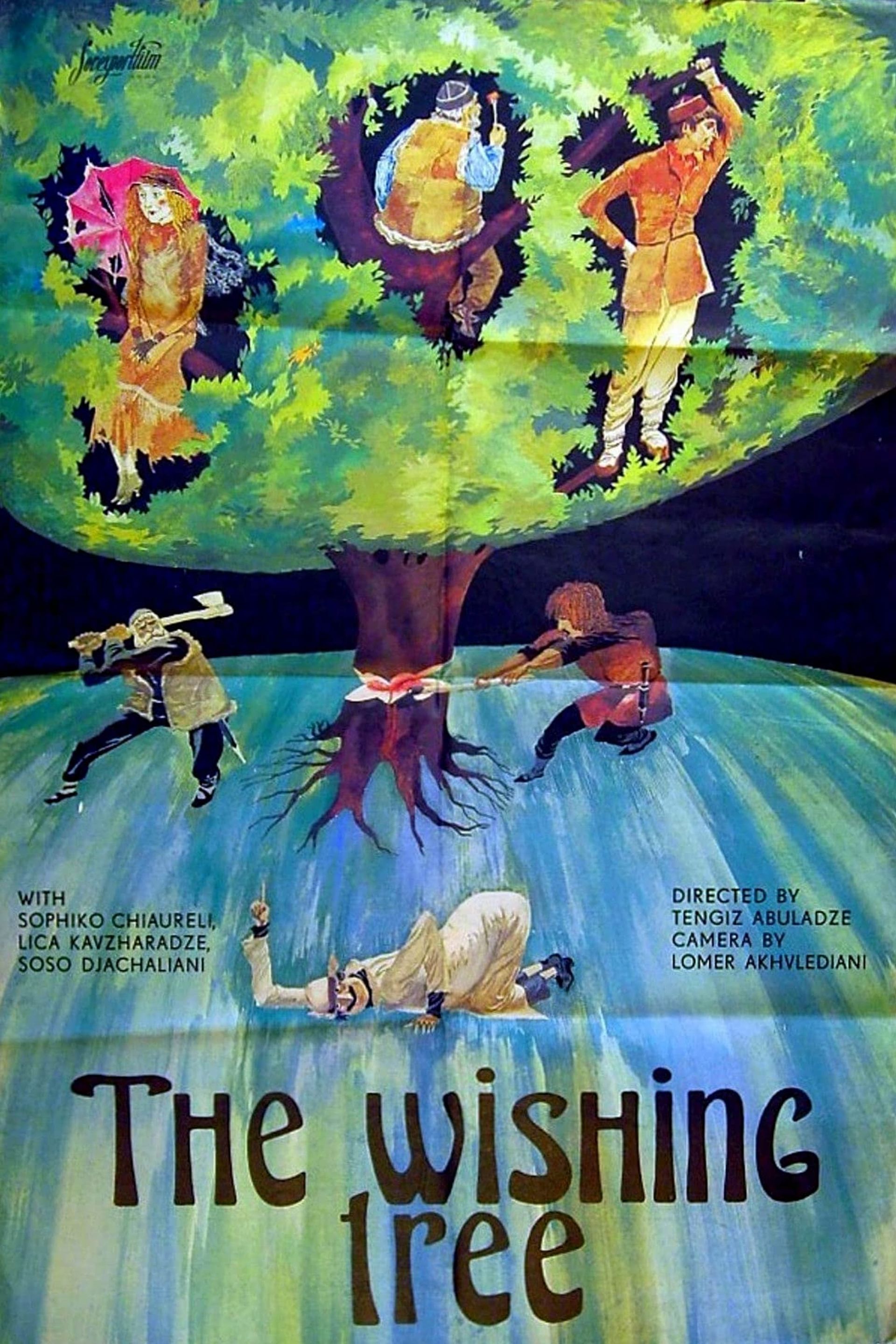
His first film, Magdana's Donkey (1956), which he directed with Rezo Chkheidze, won the "Best Fiction Short" award at the 1956 Cannes Film Festival. He is most famous for his film trilogy: The Plea (The Supplication) (1968), The Wishing Tree (1977), and Repentance (1984, released 1987), which won him the Lenin Prize (1988) and the first Nika Award for Best Picture. Repentance won the Special Jury Prize at the 1987 Cannes Film Festival. In 1987 he was a member of the jury at the 15th Moscow International Film Festival.
Abuladze came to prominence in the Soviet Union under perestroika when his banned film Repentance, a blistering expose of the Stalinist terror, was released in 1986.
Repentance revolves around the death of an old tyrant, Varlam Aravidze, and the refusal of a woman, Ketevan Barateli, to leave his corpse in peace. She repeatedly disinters the corpse and at the trial disinters also the forbidden secrets of the past. Aravidze is universalized as Adolf Hitler, Benito Mussolini, and Joseph Stalin, but most obviously as Stalin's fellow Georgian Lavrentiy Beria.
Abuladze studied theatre direction (1943–1946) at the Shota Rustaveli Theatre Institute, Tbilisi, Georgia, and filmmaking at the VGIK (All-Union State Institute of Cinematography) in Moscow. He graduated from VGIK in 1952 and in 1953 he joined Gruziya-film (Georgia Film Studios) as a director. He was awarded the title of People's Artist of the USSR in 1980.
His first film, Magdana's Donkey (1956), which he directed with Rezo Chkheidze, won the "Best Fiction Short" award at the 1956 Cannes Film Festival. He is most famous for his film trilogy: The Plea (The Supplication) (1968), The Wishing Tree (1977), and Repentance (1984, released 1987), which won him the Lenin Prize (1988) and the first Nika Award for Best Picture. Repentance won the Special Jury Prize at the 1987 Cannes Film Festival. In 1987 he was a member of the jury at the 15th Moscow International Film Festival.
Abuladze came to prominence in the Soviet Union under perestroika when his banned film Repentance, a blistering expose of the Stalinist terror, was released in 1986.
Repentance revolves around the death of an old tyrant, Varlam Aravidze, and the refusal of a woman, Ketevan Barateli, to leave his corpse in peace. She repeatedly disinters the corpse and at the trial disinters also the forbidden secrets of the past. Aravidze is universalized as Adolf Hitler, Benito Mussolini, and Joseph Stalin, but most obviously as Stalin's fellow Georgian Lavrentiy Beria.



作品リスト
| 1984 | |
| 1976 | |
| 1971 | |
| 1967 | Vedreba · as Screenplay |
| 1962 | Me, Grandma, Iliko and Ilarion · as Screenplay |
| 1958 |