
 GODZILLA 星を喰う者
5.160%28%6.5
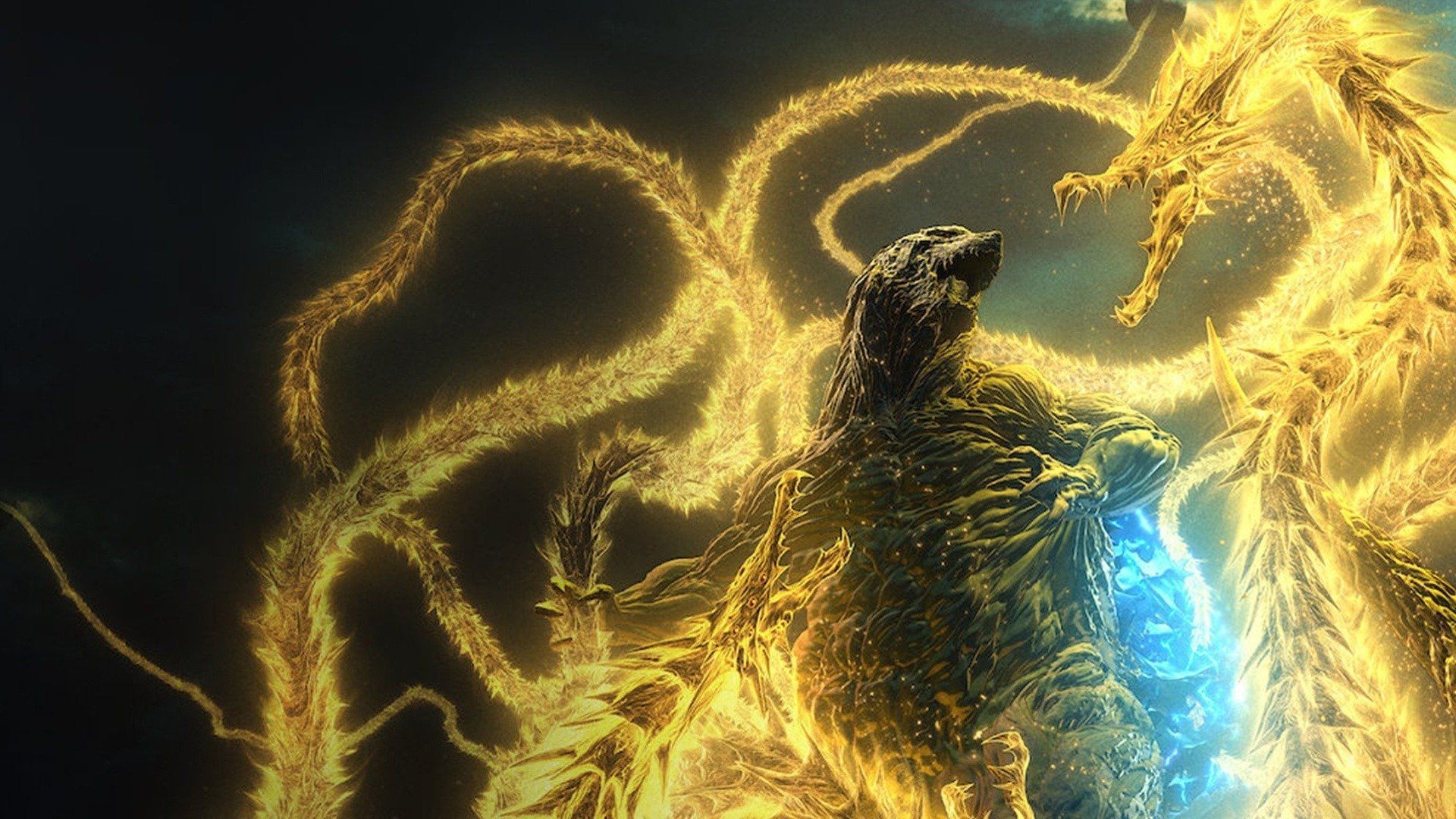
ゴジラ・アース討伐に力を注いできたハルオ・サカキだったが、ゴジラを倒すために人を超えた存在になるべきと唱える異星人種族ビルサルドと、それに反対する人間たちとの対立が表面化してしまう。やがてハルオは、ビルサルドの中心的人物であるムルエル・ガルグを葬る。さらにハルオの幼なじみのユウコ・タニが、ビルサルドによる人体の強制ナノメタル化で脳死状態になってしまう。ゴジラ・アースを倒す手立てが消えたと人間たちに敗北感と虚無感が広がる中、高次元怪獣のギドラがまばゆい光を放ちながら降臨する。
GODZILLA 星を喰う者の視聴方法










- Shaydeknight2026年1月17日This was just patently depressing and boring. Godzilla: The Planet Eater is not a monster movie in the conventional sense. It is a philosophical capstone to an already bleak trilogy, and it is far more interested in ideas than in spectacle. Anyone expecting a triumphant showdown or a cathartic resolution will likely find it frustrating. That frustration is not accidental. It is the point. The film frames Godzilla less as a creature and more as a fact of existence. The real conflict is not about defeating a monster, but about how humanity defines meaning when faced with something fundamentally overwhelming. Faith, despair, hatred, resignation, and responsibility are the true battlegrounds here, and the monsters function more as symbols than as antagonists. Where the film becomes divisive is in its moral stance. It leans heavily toward a world view that prizes restraint, acceptance, and the rejection of absolute solutions. Power pursued without limits is treated as inherently corrupting, no matter how justified the goal. The movie asks whether survival alone is enough, or whether the desire to shape and challenge one's environment is inseparable from being human. Whether that reads as humility or capitulation depends entirely on the values you bring into the viewing. I think the film ultimately confuses surrender with wisdom. It presents withdrawal as maturity and diminished ambition as moral clarity, but never demonstrates that this leads to balance or dignity. The outcome it gestures toward is not equilibrium but regression: humanity endures, but only by shrinking itself, abandoning agency, and accepting a permanent position at the bottom of a hostile hierarchy. Survival is preserved, but purpose is quietly stripped away. For a story that interrogates the cost of absolute power, it shows little interest in the cost of permanent submission. Visually and tonally, The Planet Eater is austere and cold. Dialogue is sparse and deliberate. Silence is used as a weapon. The pacing demands patience and rewards attention, but it will feel punishing if you are not in sync with its intent. This is not a film that wants to entertain you so much as confront you. Ultimately, The Planet Eater is less interested in Godzilla than in humanity's relationship with power, faith, and progress. It does not offer comfort, and it does not pretend to resolve its own contradictions. Instead, it leaves you with an uncomfortable question: if the only way to survive is to abandon agency, ambition, and the drive to shape the world, is that survival still meaningfully human? Whether you see the film as thoughtful or misguided will say more about you than about Godzilla. And I still wanted more monster fights, and honestly, the Godzilla design of this film was as boring as hell.

お使いのデバイス向けのPlexを入手
20種類以上のプラットフォームで無料で使えます。お手持ちのデバイスをお選びください。GODZILLA 星を喰う者に関するトリビア
GODZILLA 星を喰う者は2018年11月9日に公開されました。
GODZILLA 星を喰う者はHiroyuki Seshita, Kobun Shizunoが監督を務めました。
GODZILLA 星を喰う者の上映時間は1h 31mです。
GODZILLA 星を喰う者はTakashi Yoshizawaがプロデューサーを務めました。
ゴジラ・アース討伐に力を注いできたハルオ・サカキだったが、ゴジラを倒すために人を超えた存在になるべきと唱える異星人種族ビルサルドと、それに反対する人間たちとの対立が表面化してしまう。やがてハルオは、ビルサルドの中心的人物であるムルエル・ガルグを葬る。さらにハルオの幼なじみのユウコ・タニが、ビルサルドによる人体の強制ナノメタル化で脳死状態になってしまう。ゴジラ・アースを倒す手立てが消えたと人間たちに敗北感と虚無感が広がる中、高次元怪獣のギドラがまばゆい光を放ちながら降臨する。
GODZILLA 星を喰う者の主要人物はHaruo Sakaki (voice) (Mamoru Miyano), Metphies (voice) (Takahiro Sakurai), Yuko Tani (voice) (Kana Hanazawa)です。
GODZILLA 星を喰う者はGと評価されています。
GODZILLA 星を喰う者はアニメーション, サイエンスフィクション, ファンタジー映画です。
GODZILLA 星を喰う者は、視聴者によって10点満点中2.8点をつけられています。
GODZILLA 星を喰う者の興行収入は$150万です。