
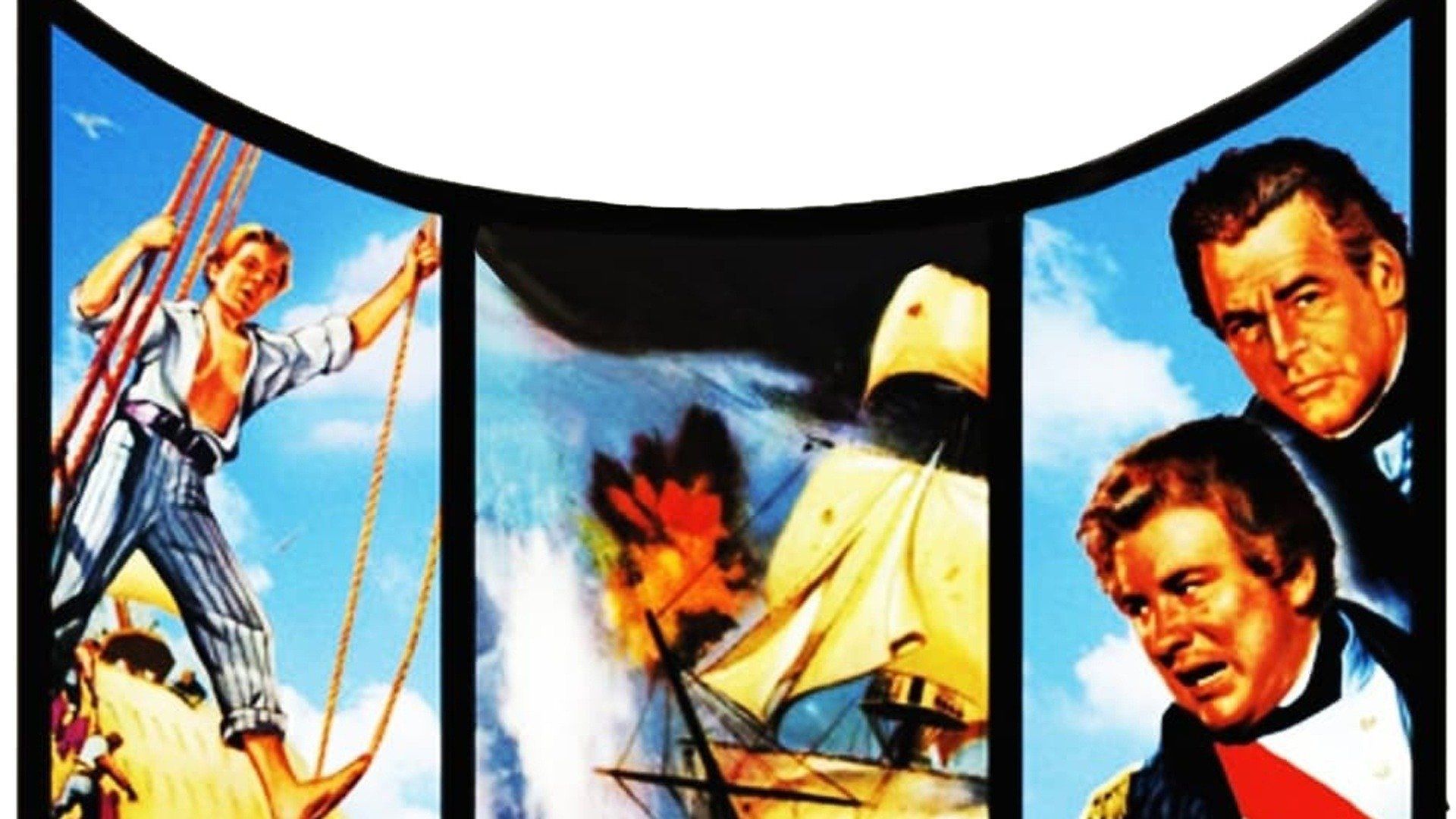

When a kind-hearted sailor is made to join an English vessel at war in 1797, he finds himself caught between devotion to his crewmates and obedience to their hated, cruel master-at-arms.
















- CrossCutCritic2025年5月5日“In a world governed by law, innocence is not safe. In a world redeemed by grace, it is no longer needed.” — from the journals of a forgotten chaplain BILLY BUDD (1962) — A FUGUE I. "God bless Captain Vere!" You arrive shining. The sea opens. You are the boy without shadow, lips unstained by irony, eyes unacquainted with calculation. The men love you because you do not yet know what love costs. The officers fear you because you remind them what they lost. Claggart sees you and recoils—not from your violence, but your purity. You are not naïve. You are untouched. II. The Law is not the Gospel Captain Vere reads the Articles of War. He sees the boy. He sees the law. He sees that they do not speak the same language. But he cannot translate. A mutiny threatens from memory. Billy’s fist strikes death into Claggart, but it is Adam’s echo that falls. Vere does not hate Billy. He loves him. But he crucifies him all the same. III. The Sound of One Word Missing You stammer before accusation. Your tongue betrays you; your fists speak in its place. The world of law demands articulation—measured, rational, confessional. But what if truth lives deeper than speech? Billy dies not because he is guilty. He dies because he cannot explain his innocence. IV. The Last Beatitude You bless the man who condemns you. Not in sarcasm, not in fury, not even in sorrow. Just: God bless Captain Vere. You bless him because you are already sailing elsewhere. You bless him because you never truly lived under this world’s curse. V. The Court-Martial of God What does it profit a captain to gain a ship and lose his soul? Vere follows the law and loses the kingdom. He is not Pilate. He is Peter, half-knowing, fully torn. Billy ascends. Claggart rots. Vere vanishes. And the wind keeps blowing. --- Interpretive Notes Form: This review is structured as a fugue—a contrapuntal weaving of mythic-theological and legal-philosophical voices. The odd-numbered sections reflect on Billy as an archetype of innocence and sacrificial purity; the even-numbered ones wrestle with institutional justice, moral compromise, and the problem of law. Theological Themes: Billy as Christ-Figure: His innocence, his beatific blessing of Vere, and his sacrificial death evoke the passion of Christ—not triumphant, but crucified. His stammer echoes the divine silence in suffering (Isaiah 53:7). Vere as Tragic Magistrate: Captain Vere is a figure torn between the law (Romans 13) and grace (John 1:17). His decision is lawful but damns him, mirroring Augustine’s dilemma in City of God: the good man who must govern a fallen world. Law vs. Grace: The Articles of War cannot save. They serve Caesar, not Christ. Billy’s presence demands grace—but there is no room for grace on the gallows. Claggart as Diabolical Accuser: His lies are satanic not because they’re crude, but because they are precise. Diabolos means slanderer. He is the Accuser of the saints. Language and Silence: Billy’s stammer becomes an indictment of the world’s requirement for verbal defense. In a legal system that rewards speech, the innocent silent are always at risk. Christ, too, stood mute before Pilate.

お使いのデバイス向けのPlexを入手
20種類以上のプラットフォームで無料で使えます。お手持ちのデバイスをお選びください。奴隷戦艦に関するトリビア
奴隷戦艦は1962年9月20日に公開されました。
奴隷戦艦はPeter Ustinovが監督を務めました。
奴隷戦艦の上映時間は1h 59mです。
奴隷戦艦はPeter Ustinovがプロデューサーを務めました。
When a kind-hearted sailor is made to join an English vessel at war in 1797, he finds himself caught between devotion to his crewmates and obedience to their hated, cruel master-at-arms.
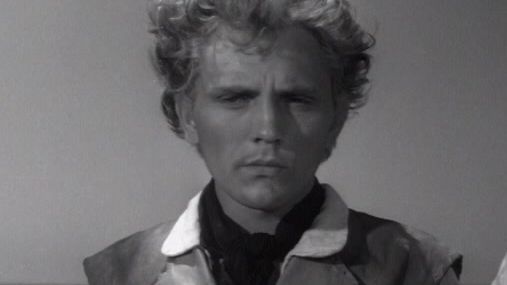
奴隷戦艦の主要人物はBilly Budd (Terence Stamp), John Claggart, Master of Arms (Robert Ryan), Edwin Fairfax Vere, Post Captain (Peter Ustinov)です。
奴隷戦艦はApprovedと評価されています。
奴隷戦艦はAdventure, Action, ドラマ映画です。
奴隷戦艦は、視聴者によって10点満点中9点をつけられています。