
lennyofficial
0seguendo
0followers
Iscritto/a 2026
- The Widow CoudercSet against the bucolic backdrop of rural France, an escaped convict has a chance encounter with a woman living on a farm; she offers him work for a few days. Naturally, the arrangement extends due to a mutual affinity that develops between them, yet complications arise—specifically involving the neighbors across the way (relatives of the woman hosting the fugitive), who want to force the young woman living with them to leave the house. The film revolves largely around this simple premise, yet its true strength lies in the relationships between the characters. Ultimately, things end tragically at the hands of the embittered neighbors following a liaison between the fugitive and their daughter—despite her reputation for loose morals. The two protagonists defy and challenge social conventions; even though they commit questionable acts, they are inexorably punished for daring to be different—an act of petty, childish spite. Delon is charismatic as ever; even in films that aren't top-tier, he demonstrates his undeniable talent. Signoret, visibly mature, also delivers an excellent performance as a deeply tormented and weary character. The film also features pleasing camera work and a predominantly pastoral setting, capturing a rural, inland France far removed from the country as we know it today.The Widow Couderc
- Borsalino
 The film immediately comes across as masculine and dynamic. The way the two protagonists—masterfully played by Jean-Paul Belmondo (François Cappella) and Alain Delon (Roch Siffredi)—meet is simply iconic: a bloody, bare-knuckle brawl over a woman who had moved from one man (Roch) to the other (François), ending with a nod of mutual respect. Set in 1930s Marseille, the story follows François as he brings Roch into the business; they start at the bottom as mere enforcers and henchmen before rising to become the "masters" of Marseille, suffering losses among their own men along the way. Despite these casualties, the two business partners and friends eliminate anyone who might stand in their path. François and Roch are like brothers—inseparable, guided by a strong moral code, and always ready to watch each other's backs, just as they did whenever they had to dispose of "problems." The beach scene, for me, highlighted this fraternal bond through a seemingly trivial detail: the color of their swim trunks—one white, one black—perfectly mirroring Yin and Yang, representing the strategist and the enforcer. In my opinion, the film is a classic of the gangster genre and comes highly recommended to fans; I honestly don't understand some of the negative reviews and ratings... Incidentally, Delon's character gave his name to the absolute master of Italian adult cinema: the irreproachable Rocco Siffredi (born Rocco Tano).Borsalino
 - Have I the Right to Kill?
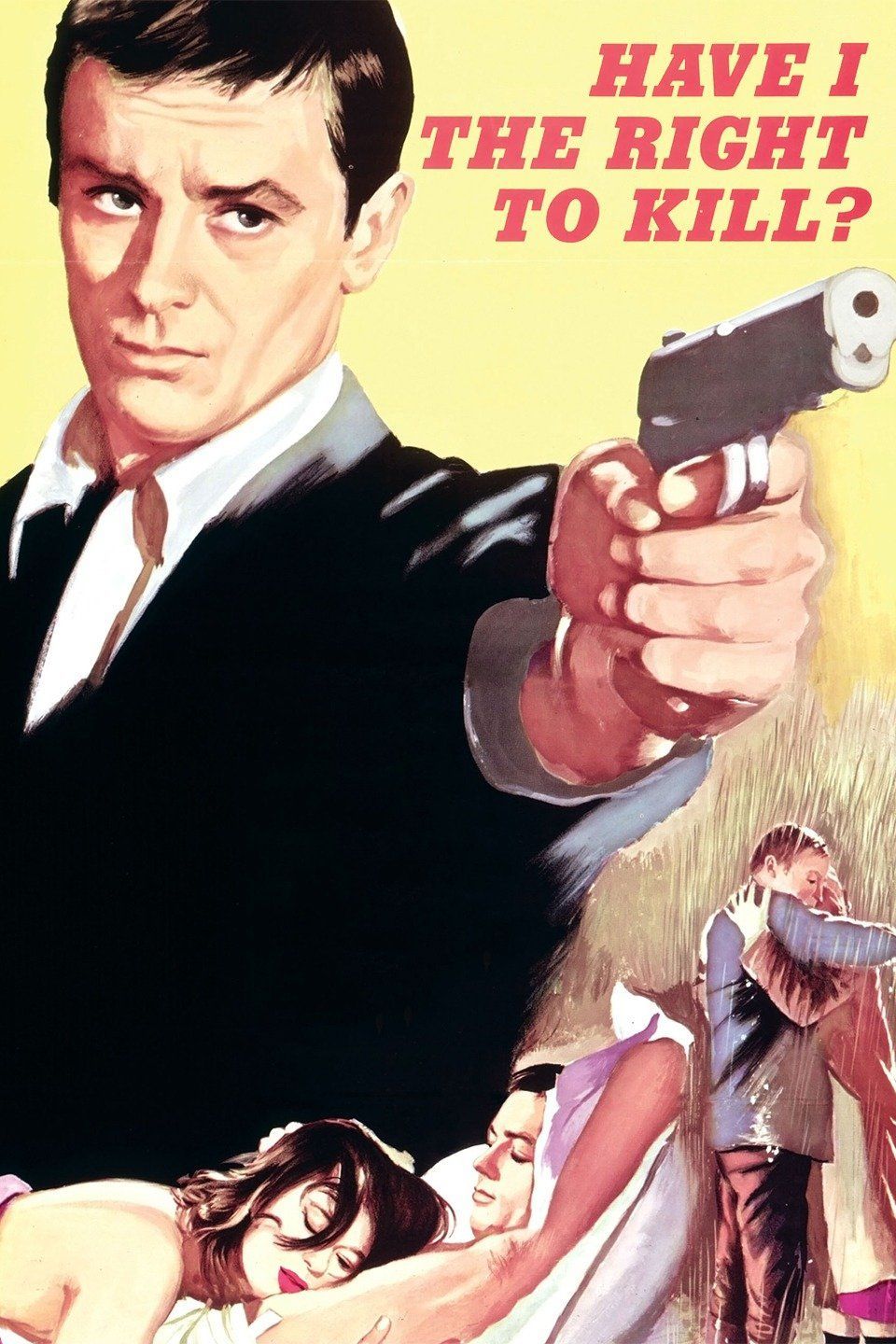 An intriguing, fast-paced noir set between Algeria and France during the Algerian War. Thomas, a Luxembourgish soldier fighting for France, has been stuck in Algeria for six years and longs to return home, wanting nothing more to do with politics. However, his lieutenant offers him the money needed for the journey in exchange for pulling off a job: kidnapping Dominique Servet, a lawyer from Lyon who was slated to defend two Algerians, and holding her captive for several days. Thomas accepts and is assigned to guard the captive alongside Armirio, a *pied-noir*. Despite his orders, Thomas ends up siding with Dominique, even at the risk of ruining the plan. Ultimately, he manages to break free and clear her name, finally making it back home. Yet, things do not settle down once he sets foot in France. After a series of events, Thomas is discovered by his lieutenant, who naturally vows revenge for his subordinate's betrayal. A flight to the Luxembourg border ensues; while it finally brings Thomas home, he finds that things are no longer the same. This is the film's core: through Thomas’s indirect desertion, it explores a widespread sense of dissatisfaction and revulsion toward a conflict that was wearing down many French people. His sense of patriotism—already wounded by the lack of recognition soldiers received back home—is completely extinguished by this act of betrayal. It all culminates in a homecoming that feels different—almost alienating—to the very man who had longed for it so deeply. Upon returning to France, Thomas discovers that no one seems truly interested in what he has experienced; his sacrifice goes unrecognized, and society moves on as usual, leaving him trapped in the aftermath of the conflict. As always, Alain Delon delivers a masterful performance, aided by his commanding screen presence and complemented by the equally superb acting of Léa Massari. The film’s ending is iconic, perfectly capturing the crushing sense of desolation that accompanies such an alienating return home—so much so that the image was chosen for the cover of the 1986 hit album *The Queen Is Dead* by the British band The Smiths. A truly hidden gem that is difficult to find.Have I the Right to Kill?
 - The LeopardMore than just a film, it is a total work of art that feels almost entirely literary and pictorial in nature. Based on the novel of the same name—*The Leopard* (*Il Gattopardo*) by Giuseppe Tomasi di Lampedusa—the film chronicles the lives of the Prince of Salina’s family and those around them. Although it is a work of fiction, it is historically authentic and reliable; indeed, the setting is Sicily during the Risorgimento. The story begins with the arrival of Garibaldi’s forces in Sicily—among whom fights Tancredi, the Prince’s nephew, who initially harbored doubts about the cause but ultimately embraced it.The genesis of the Italian nation is portrayed here with great accuracy, as all the ideological factions surrounding unification are well represented: we find the Bourbon loyalists—essentially nostalgics still devoted to the white flag of the Kingdom of the Two Sicilies, such as Don Ciccio, who would have ended up destitute without Bourbon patronage; the fervent republicans who, through their zeal and loyalty to the House of Savoy, helped create a free Sicily integrated into the Kingdom of Italy, like the young Tancredi; and finally, the great nobles and landowners who advocated for independence for the sole purpose of gaining greater power and securing seats in the Savoyard parliament in Turin—an opportunity offered to the Prince of Salina himself, though he declined, being too preoccupied with his own internal affairs and lacking the instincts of a wheeler-dealer, unlike Don Calogero Sedara, the father of Angelica (Tancredi’s bride). The narrative unfolds primarily over a two-year period, from 1860 to 1862, during which certain matters—such as the question of young Tancredi’s marriage—were initiated and ultimately resolved; as previously mentioned, he ends up marrying Angelica rather than Concetta, the Prince’s daughter, who lacked the worldly sophistication required for the young man’s ambitions. Naturally, the stakes go beyond this marriage; at issue is also the control and distribution of power and political offices once "Italy has been made."The speech the Prince delivers to the Savoyard envoy—who offers him a seat in parliament—reveals a great deal about the reality of Sicily: he describes it as stagnant, insular, and trapped within the splendor surrounding it, thereby hindering any form of progress. The film perfectly captures the nobility of the era—decadent and backward-looking, yet above all, fiercely protective of its power—and illustrates how they set about creating a nation for millions of Italians with barely any consultation; traces of this practice seem to persist to this day. Visually, it was a constant feast for the eyes—perhaps thanks to the restoration (and I say THANK YOU for that!)—with simply perfect colors, magnificent settings, and fantastic, authentic costumes. Even the scene transitions and camera movements—particularly the zooms to medium shots—added a dynamic quality to a work that would have been flawless even without them. The performances—by Burt Lancaster, the ever-charismatic Alain Delon, and Claudia Cardinale, not to mention the supporting cast—were impeccable and masterful. As I mentioned at the start, this is a consummate masterpiece that simply must be seen at least once in a lifetime. It represents the exception that proves the rule: a film that stands on equal footing with the literary work it is based on—a rarity that speaks volumes about the exceptional quality of this picture.The Leopard
- Flic Story
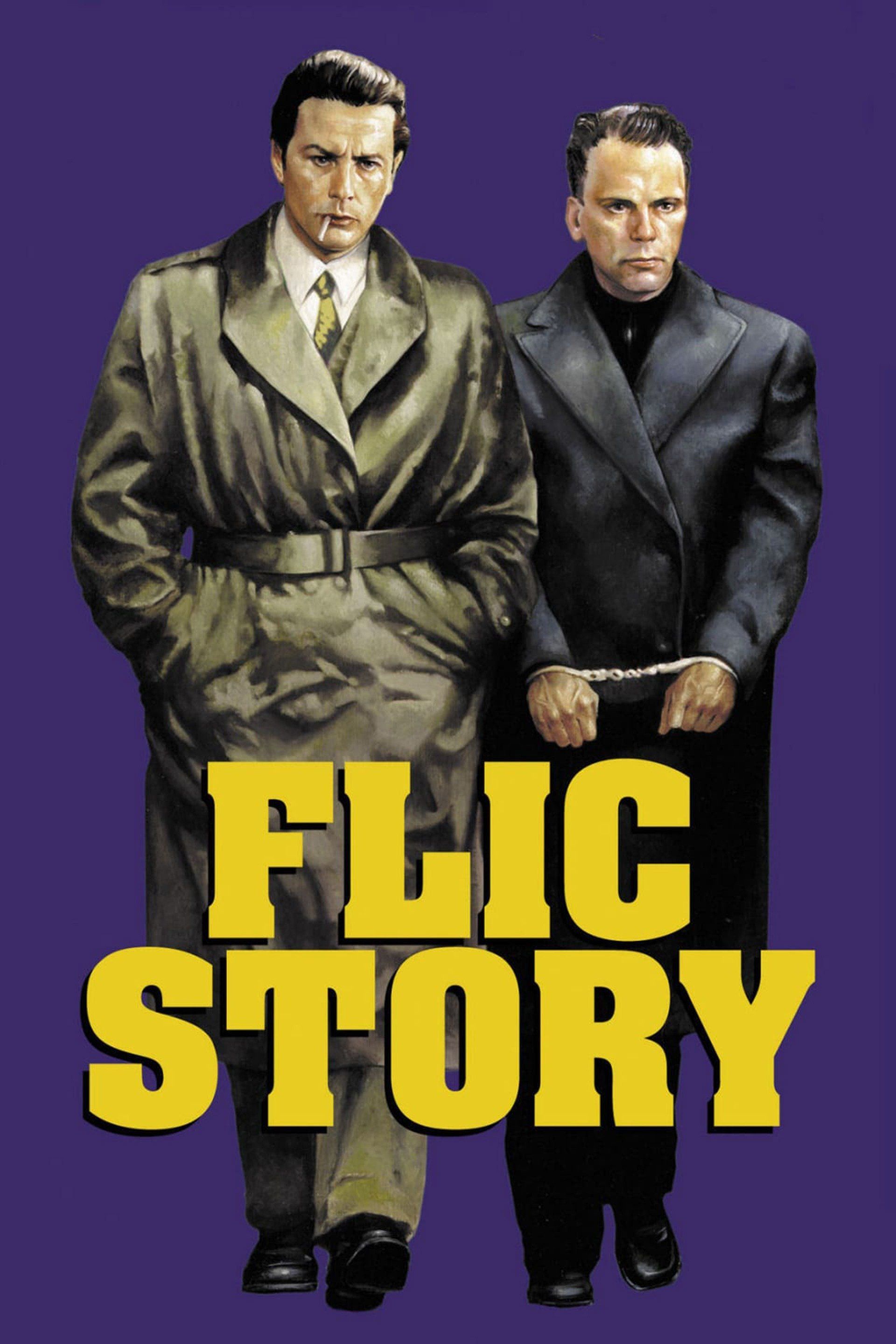 This crime film is based on the true story of Inspector Borniche. He is known for his tenacity and the high level of professionalism he brings to his assignments. He reprimands anyone who acts like a "bad cop," believing that such behavior puts them on the same level as the criminal "scum" they pursue. As for the plot, Borniche is handed the case of a lifetime: tracking down Emile Buisson, a man responsible for numerous robberies and over thirty murders. After Buisson escapes from prison, Borniche’s team is immediately alerted. The film revolves around the hunt for Buisson, closely tailing his associates and acquaintances—a process that eventually stalls, leading to the case being reassigned to others. However, a separate investigation into a body found in the countryside puts them back on Buisson's trail. A stroke of genius by Inspector Borniche finally leads to the criminal's capture; he is subsequently sentenced to the guillotine. The film is packed with shootouts and gripping, tense sequences. The performances by the leads—Delon and Trintignant—are excellent and anchor a solid film. Delon perfectly embodies the calm yet resolute and persistent Inspector Borniche, while Trintignant excels as the brutal, savage Buisson—a character who, in his interactions with the inspector, seems to almost find a strange common ground with him. In my opinion, this is a crime film that is not widely known and is somewhat underrated.Flic Story
 - Indian Summer
 I have to say, I really enjoyed the film. The cast is fantastic—needless to say—and the reasons why are obvious. Alain Delon’s character is a young professor in his thirties; while he has a seemingly disheveled air, he is a highly distinguished, cultured, and mysterious figure—decadent at times, yet never broken. He embodies the perfect blend of how I would like to be perceived. The one who truly commands the screen this time around, however, is actress and dancer Sonia Petrova as Vanina, a young woman entangled in the shady dealings that run in her family. She feels embittered and trapped by a reality that forces her to be with a wealthy young man who doesn't love her but simply wants her as a prize. It is also interesting how the professor stumbles into this murky circle, which includes Spider—a cultured, sensitive 26-year-old with a jester-like air who becomes the closest to the professor (played brilliantly by a young Giancarlo Giannini)—and Marcello, played by Renato Salvatori. Back home, the professor also has unfinished business with a long-time partner; she has been unfaithful, yet he has never left her—though he eventually attempts to break free for his own sake. The narrative unfolds as an intricate, melancholic romance: from their very first conversations, the professor understands everything about young Vanina, who discovers true love with him—only for him to lose his life in pursuit of this tormented, deeply yearned-for love. In epic, literary terms—think Professor Dominici—this is a true love tragedy.Indian Summer
 - The Sicilian Clan
 A highly wanted criminal (Delon) escapes certain imprisonment thanks to a Sicilian family. With the help of a fellow inmate who designed a security system, he plans a heist to steal priceless French jewels. The job does not take place in Rome as originally intended, but rather during a flight from Rome to New York via Paris. The heist succeeds, despite the chaos surrounding the search for Sarté (Delon), who is under extremely tight surveillance. The film maintains the pace of a police-mafia thriller with effortless fluidity, though it ends badly for our cunning protagonist. P.S. Never mess with Sicilians.The Sicilian Clan
 - Mr. Klein
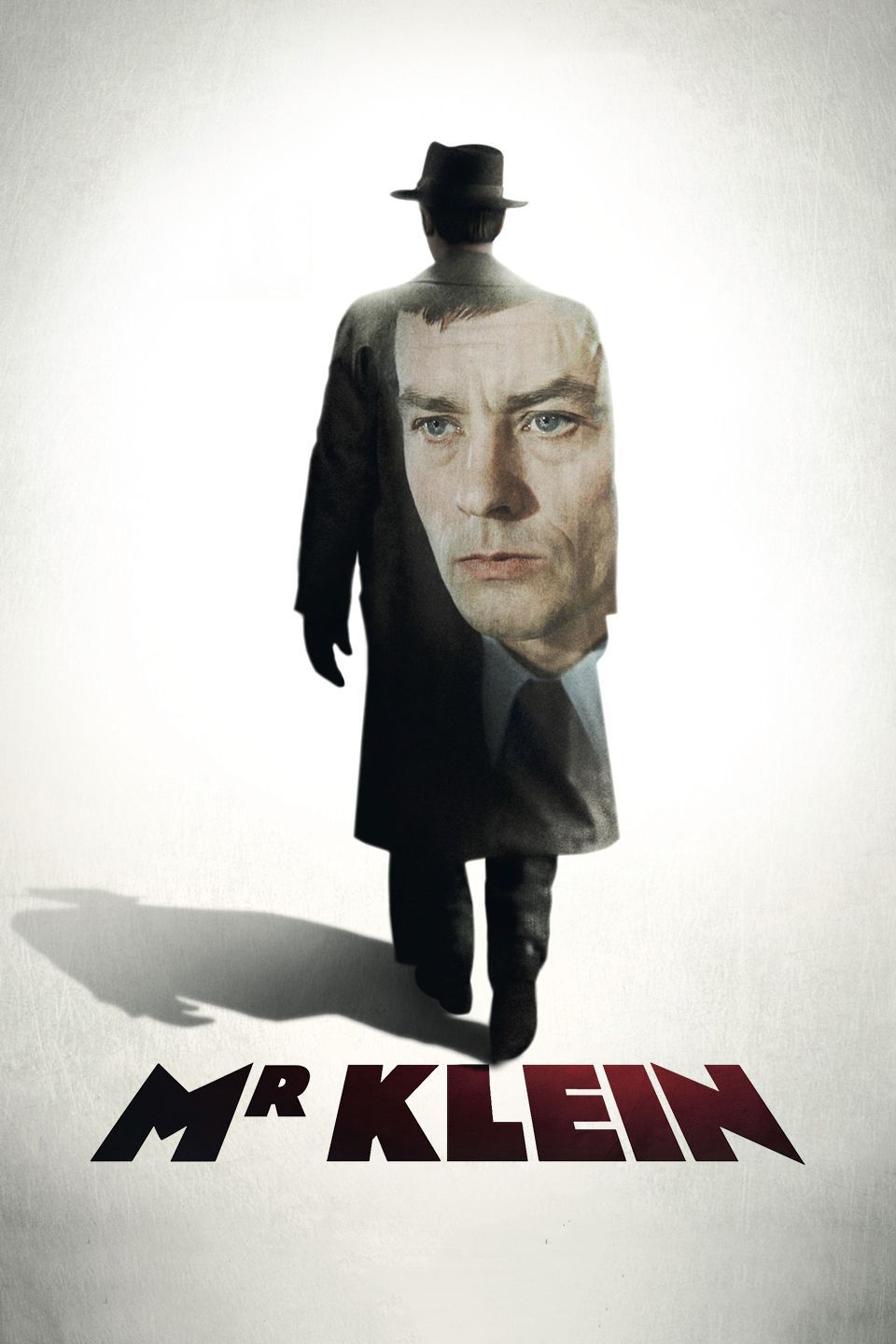 He is practically an innocent Jeff Costello. Jokes aside, the film is gripping, and the tyrannical coincidence of the shared name holds true right up to the final moments; driven by a furious desire for justice after being mistreated by the authorities—who believed there was only one Jewish Mr. Klein—the protagonist ruins his life forever by boarding a train bound for the concentration camps of World War II.Mr. Klein
 - A Cop
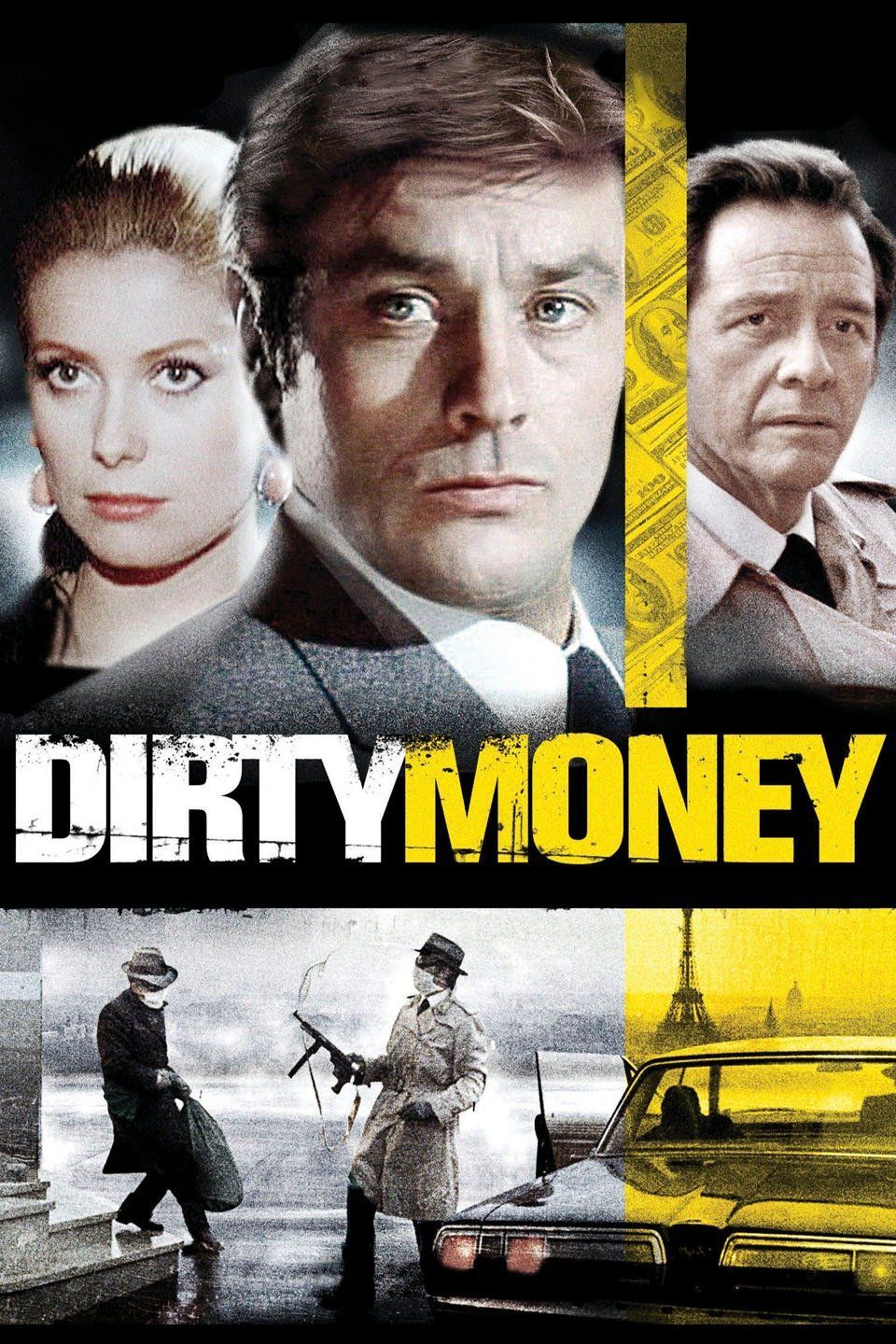 This is one of the first times I’ve seen Alain Delon play a role where he isn’t a villain or a gangster, but actually a police commissioner. The gang is a truly ragtag bunch of misfits; they botched their first robbery—which was almost good-natured in spirit but resulted in a man getting injured—bringing the commissioner hot on their trail. He eventually corners them during a second heist that goes even worse than the first.A Cop
 - Purple Noon
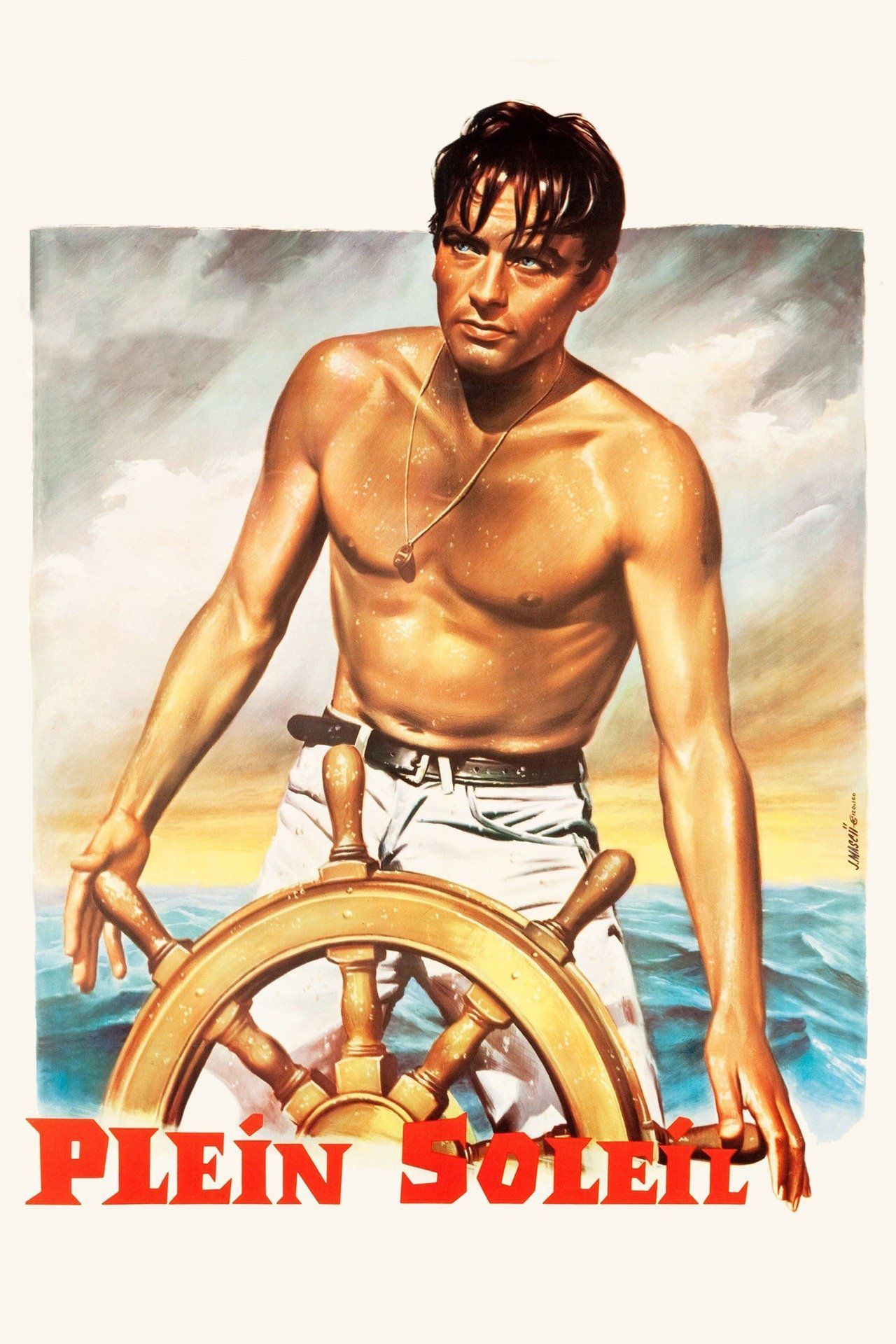 A young Alain Delon commands the screen as an absolute genius. His character is portrayed brilliantly. He manages to pull off these crimes right under the noses of the relatives of Philippe—the son of a wealthy American who mistreated our protagonist—all while operating in the shadows, undetected. He covers his tracks perfectly, even though some people must surely have grown suspicious of his constant movements and the fact that he was always in the company of the victim's loved ones. What can I say? The settings—Italy—are superb, as is Alain Delon himself; I cannot help but recommend a film like this. A movie from a bygone era, featuring actors from a bygone era...Purple Noon
 - Rocco and His Brothers
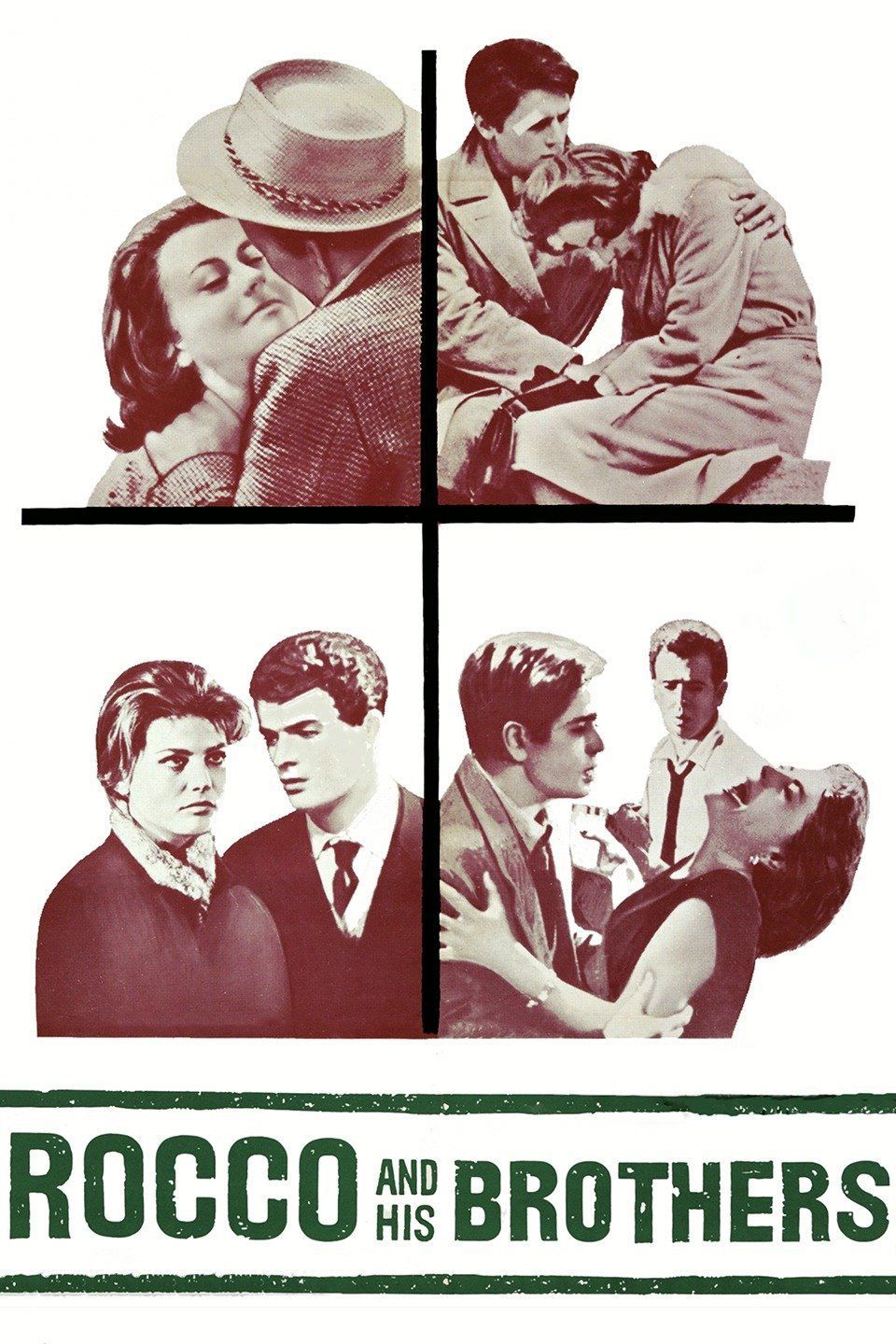 This film encompasses a great deal—drama, theater, Scorsese’s influence, the society and Italy of that era, and family dynamics. It is structured and written much like a stage play, divided into five acts—one for each of the Parondi brothers. Despite its substantial runtime of nearly three hours, one never tires of watching and trying to understand the unfolding events and how the storylines intertwine. This is evident from the very opening moments, when Vincenzo—the eldest brother, already settled in the city of Milan—welcomes his widowed mother and his four other brothers (Simone, Rocco, Ciro, and Luca). They have nowhere to stay and are promptly evicted—Vincenzo included—from his fiancée’s family home following a mutual exchange of insults. Here, we are immediately presented with an element of chaos and the ensuing drama. Then comes a chance encounter that significantly shapes the film: meeting a young woman—who lives on the floor above the Parondis—after she has been cast out by her own family due to her "dishonorable" profession as a prostitute, something the widowed matriarch had already sensed.Her nature is, in fact, very different from what one might expect of typical girls or young women of that era; she is outgoing and talkative—so much so that she enters into a relationship with Simone, a boxing prospect whose career implodes due to his dissolute character. Naturally, the film echoes Scorsese—specifically the theme of the tight link between the boxing world and domestic life, followed by a downward spiral; it clearly draws on *Raging Bull*—I’d bet anything on it. Returning to the film: it is Rocco—the third of the brothers—who falls in love and begins a genuine, passionate relationship with Simone’s ex-girlfriend (who had left Simone because of his volatile temper). This leads to a violent physical confrontation in which the two brothers tear each other apart. Eventually, Simone—despite a brief reconciliation with his ex—becomes an outcast within the family due to his incorrigible, wicked behavior. Rocco, however, seeks to set things right; he puts aside his resentment, having truly internalized the meaning of family. He attempts to do this by becoming a boxing champion—the very path Simone could have taken. Simone, meanwhile, makes a desperate attempt at yet another reconciliation with his ex, which culminates in a brutal stabbing murder. After committing such a heinous act, Simone manages to completely shatter the family's moment of triumph following the success of Rocco—the most upright and virtuous of them all—delivering the final blow in a deeply unexpected drama. Who could have imagined that all this would stem from a simple migration from Lucania, one of the poorest regions in the country? The entire film—setting aside the essential theatrical and dramatic elements—is clearly neo-realist in style; it shows younger viewers (myself included) how our forebears—not so long ago—behaved, and just how different society was compared to what we know today. Furthermore, the performances by Delon (in yet another great role, despite his youth here) and Renato Salvatori are simply outstanding—truly memorable. This is, quite simply, CINEMA. P.S. Thank you, RAI, for holding onto such high-quality material.Rocco and His Brothers
 - Le Samouraï
 A fantastic, timeless film. Alain Delon commands the screen, captivating anyone who watches the movie. His character is simply perfect—a silent, cunning, and brilliant operative, much like a true samurai (echoing the film's original title). He seems almost unstoppable as events unfold; not even the police can halt Frank Costello. In the end, he is shot in the back in a crossfire by exhausted police officers who had been waiting for him to make a single misstep. I have two questions: why did we in Italy rename the character Frank Costello (when his original name was Jeff), and why the nickname "Angel Face"? After all, half the world already knew Alain Delon was famous back in 1967...Le Samouraï
 - The Red Circle
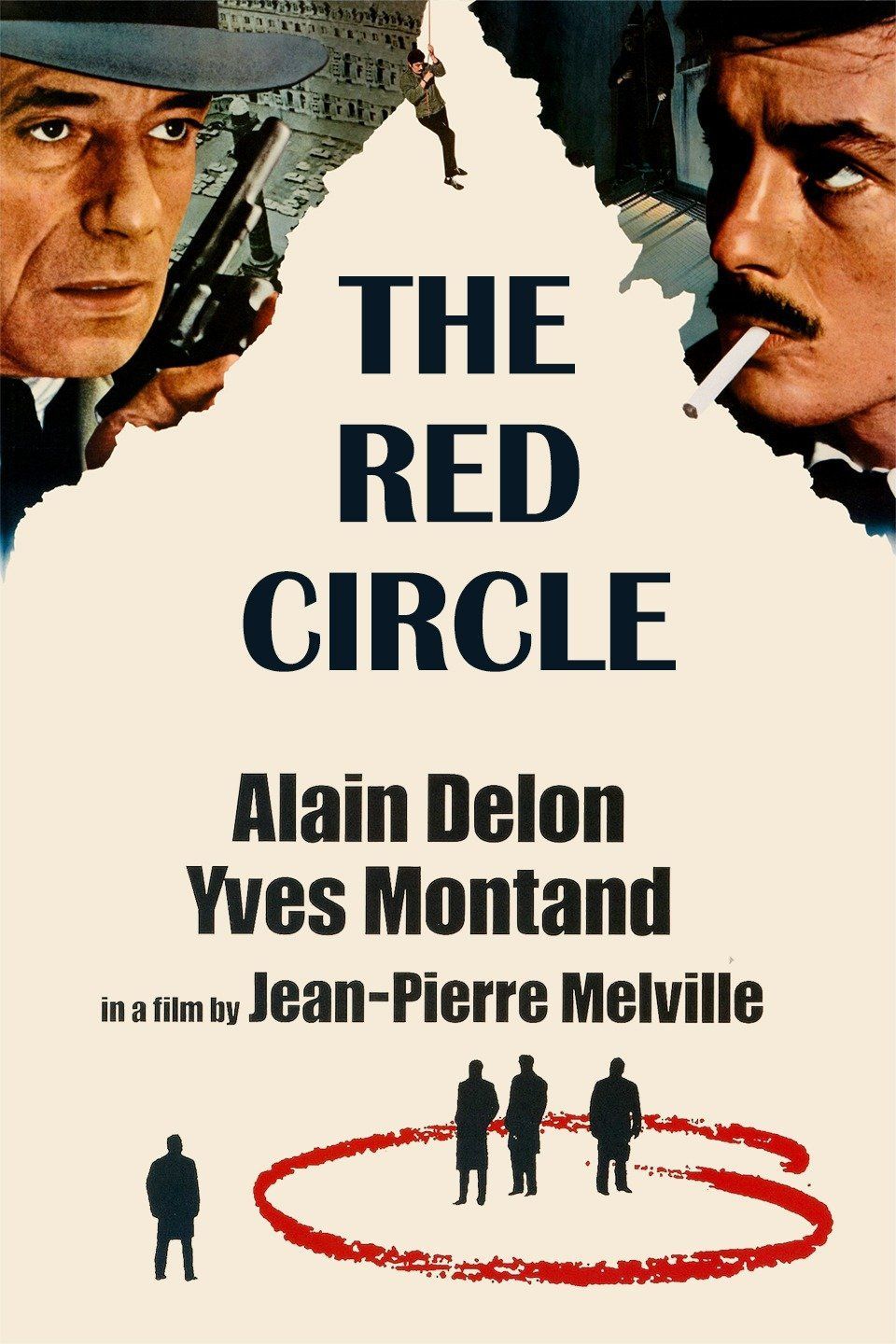 A police noir that unfolds in a hushed, silent atmosphere, yet teeters constantly on a razor's edge. It takes its time, yet delivers action when the moment calls for it—never gratuitously violent, but always precise and effective. The criminal characters—played by the ever-brilliant Delon and the towering Gian-Maria Volonté (as a criminal mastermind)—anchor the entire film; their undeniable, consummate skill makes the audience believe they might actually pull it off. Yet, in the end, they are unexpectedly caught like amateurs by Commissioner Matteï—the very man who had been watching Vogel day and night. From a technical standpoint, Melville is beyond reproach; the framing and camera movements were ahead of their time—and significantly so. P.S. Certain locations—such as the nightclub where Corey negotiates with Commissioner Matteï—also appear in that other masterpiece, *Le Samouraï* (released in Italy as *Jef Costello: Faccia d'angelo*).The Red Circle
 - Investigation of a Citizen Above Suspicion
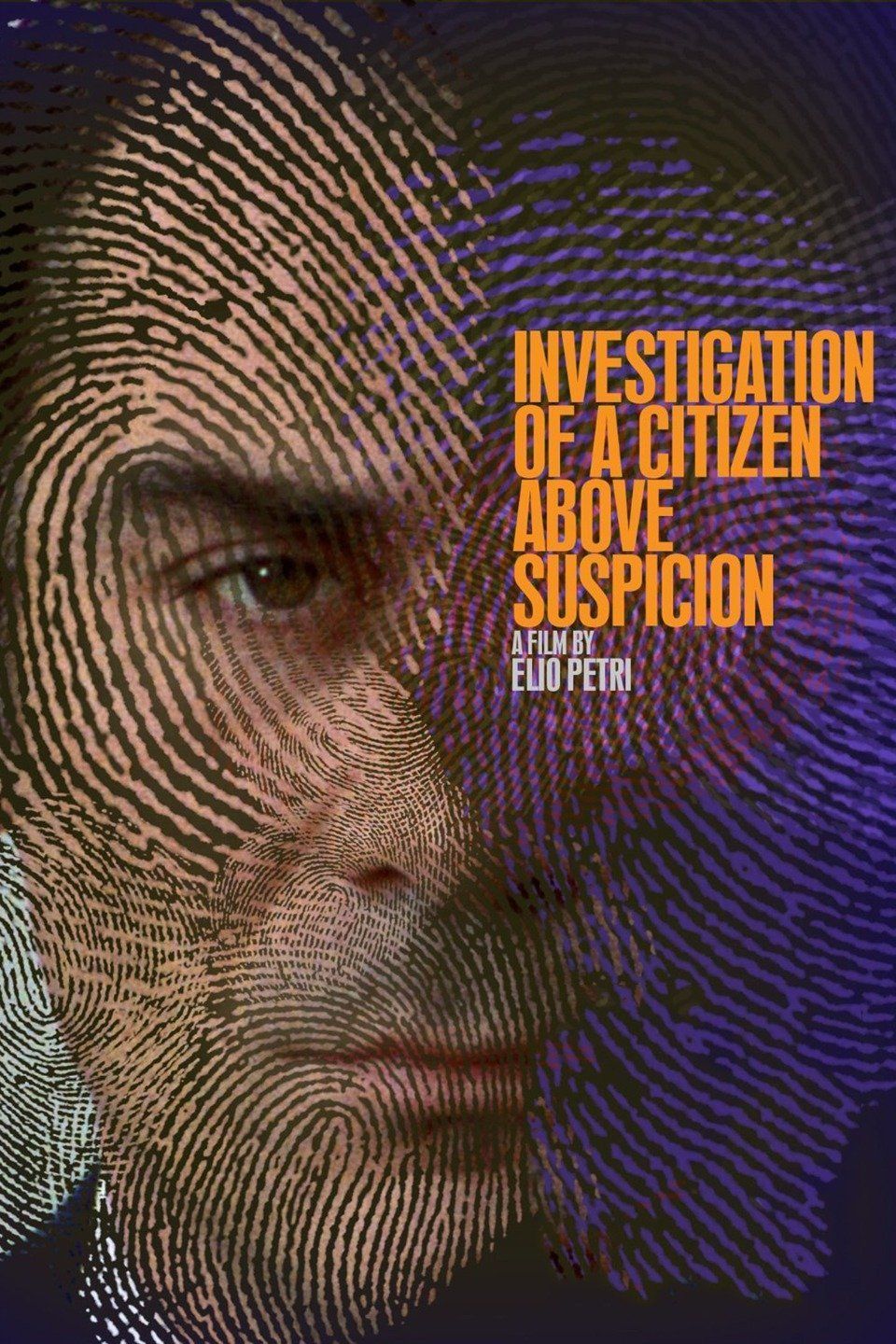 A film that is brutally real yet simultaneously twisted. The protagonist—a high-ranking homicide detective and a brilliant operator—is involved with a woman fascinated by the world of murder; she is so intrigued that she even poses for photos recreating crime scenes he has solved—scenes he has never made a secret of finding alluring. He ultimately kills her in a cold, calculating manner, yet instead of concealing the evidence of his guilt, he brazenly flaunts it before his subordinates and others throughout the story. He is a monstrous, ambiguous figure, torn between the unyielding authority of his position—which makes him an unstoppable force—and his own human ineptitude and convoluted nature, which drive him to madness. The monologue regarding his promotion to the political division is extraordinary: asserting his role as a representative of the state with authoritarian finality, he crushes all forms of subversion, appearing almost like a dictator (or perhaps something even worse). What more is there to say when you have Volonté in a film?Investigation of a Citizen Above Suspicion
