
Callumha recensito
24 dicembre 2025•
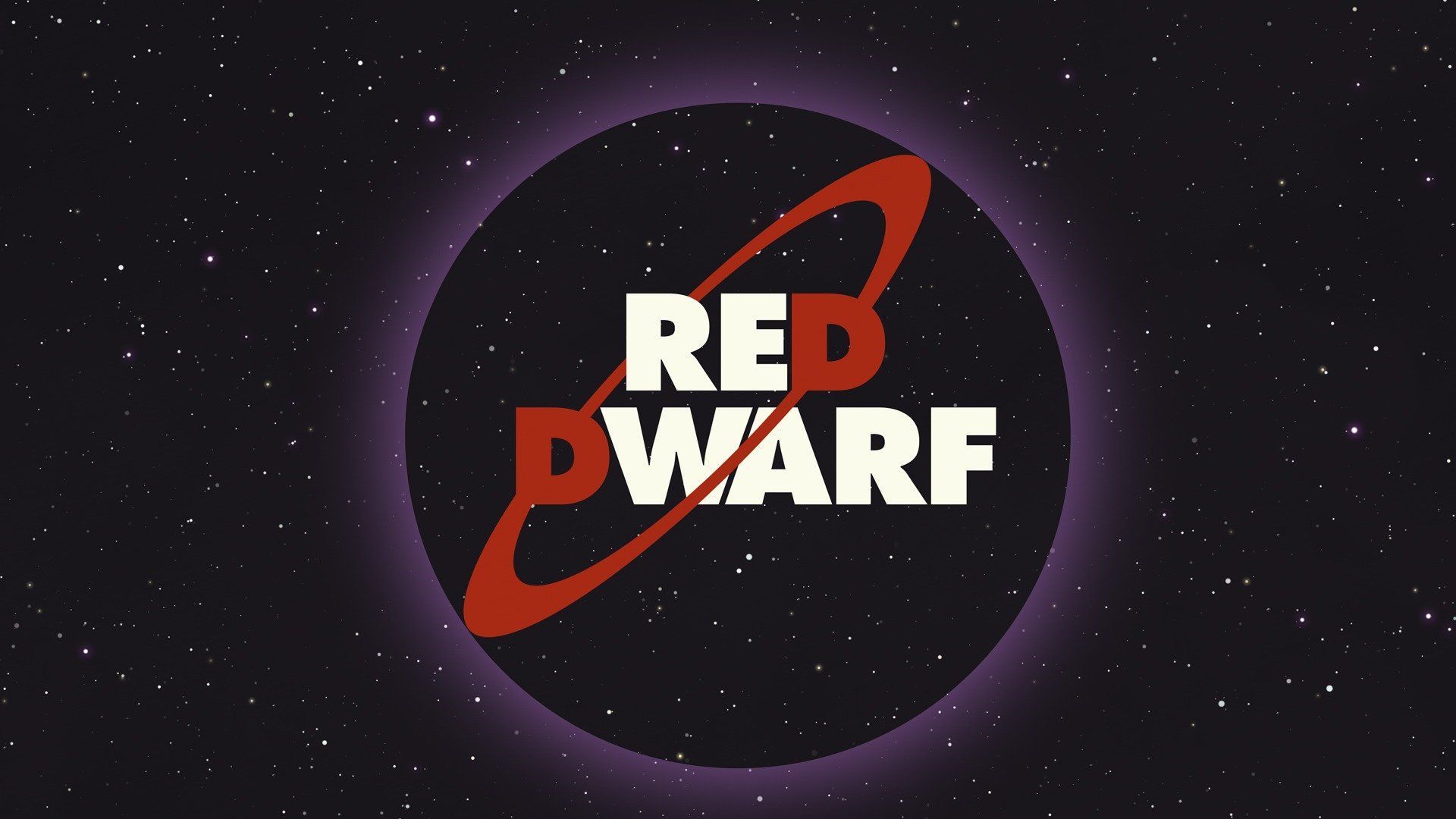
⭐⭐⭐⭐½ – Red Dwarf – British absurdity drifting joyfully through deep space.
Red Dwarf is one of those shows that feels utterly singular. Sci-fi, sitcom, philosophy, slapstick, and existential dread all mashed together and somehow working. Yes, the technical jumps can be a bit jarring when binge-watching — leaping from fuzzy 480p to crisp HD almost feels like an unplanned regeneration — but oddly, that only adds to the charm. This is a show that has always evolved in fits and starts, and it wears that history openly.
The humour is unapologetically British: dry, sarcastic, occasionally bleak, and often smarter than it lets on. If you lean more toward British comedy than American, this will feel like home. If you don’t, it might take a few episodes to click — but once it does, it really does. The jokes aren’t always loud, but they linger, and many of the best ones sneak up on you while pretending to be silly.
The premise is gloriously ridiculous, which is exactly why the cast changes, tonal shifts, and narrative leaps work as well as they do. When your core setup involves the last human alive, a hologram, a humanoid cat, and a neurotic mechanoid drifting through space, almost anything feels plausible. That flexibility lets the show reinvent itself without losing its identity.
It’s also surprisingly rewarding to look back and realise just how many familiar faces came out of Red Dwarf. Spotting later favourites in earlier, stranger roles is half the fun — especially when you suddenly clock that someone you loved elsewhere once prowled corridors in a cat suit.
Red Dwarf isn’t just a comedy or a sci-fi show. It’s a long-running, deeply odd comfort watch — clever, stupid, philosophical, and juvenile all at once — and somehow better for it.
🥃 Pairing: A classic British ale or a simple whisky and ginger — nothing flashy, just something reliable and slightly nostalgic to sip while drifting through space with the boys from the Dwarf.
Callumha recensito
24 dicembre 2025•
⭐⭐⭐⭐½ – Red Dwarf – British absurdity drifting joyfully through deep space.
Red Dwarf is one of those shows that feels utterly singular. Sci-fi, sitcom, philosophy, slapstick, and existential dread all mashed together and somehow working. Yes, the technical jumps can be a bit jarring when binge-watching — leaping from fuzzy 480p to crisp HD almost feels like an unplanned regeneration — but oddly, that only adds to the charm. This is a show that has always evolved in fits and starts, and it wears that history openly.
The humour is unapologetically British: dry, sarcastic, occasionally bleak, and often smarter than it lets on. If you lean more toward British comedy than American, this will feel like home. If you don’t, it might take a few episodes to click — but once it does, it really does. The jokes aren’t always loud, but they linger, and many of the best ones sneak up on you while pretending to be silly.
The premise is gloriously ridiculous, which is exactly why the cast changes, tonal shifts, and narrative leaps work as well as they do. When your core setup involves the last human alive, a hologram, a humanoid cat, and a neurotic mechanoid drifting through space, almost anything feels plausible. That flexibility lets the show reinvent itself without losing its identity.
It’s also surprisingly rewarding to look back and realise just how many familiar faces came out of Red Dwarf. Spotting later favourites in earlier, stranger roles is half the fun — especially when you suddenly clock that someone you loved elsewhere once prowled corridors in a cat suit.
Red Dwarf isn’t just a comedy or a sci-fi show. It’s a long-running, deeply odd comfort watch — clever, stupid, philosophical, and juvenile all at once — and somehow better for it.
🥃 Pairing: A classic British ale or a simple whisky and ginger — nothing flashy, just something reliable and slightly nostalgic to sip while drifting through space with the boys from the Dwarf.