Archie Stout
30 marzo 1886 — 10 marzo 1973 (86 anni)
From Wikipedia, the free encyclopedia
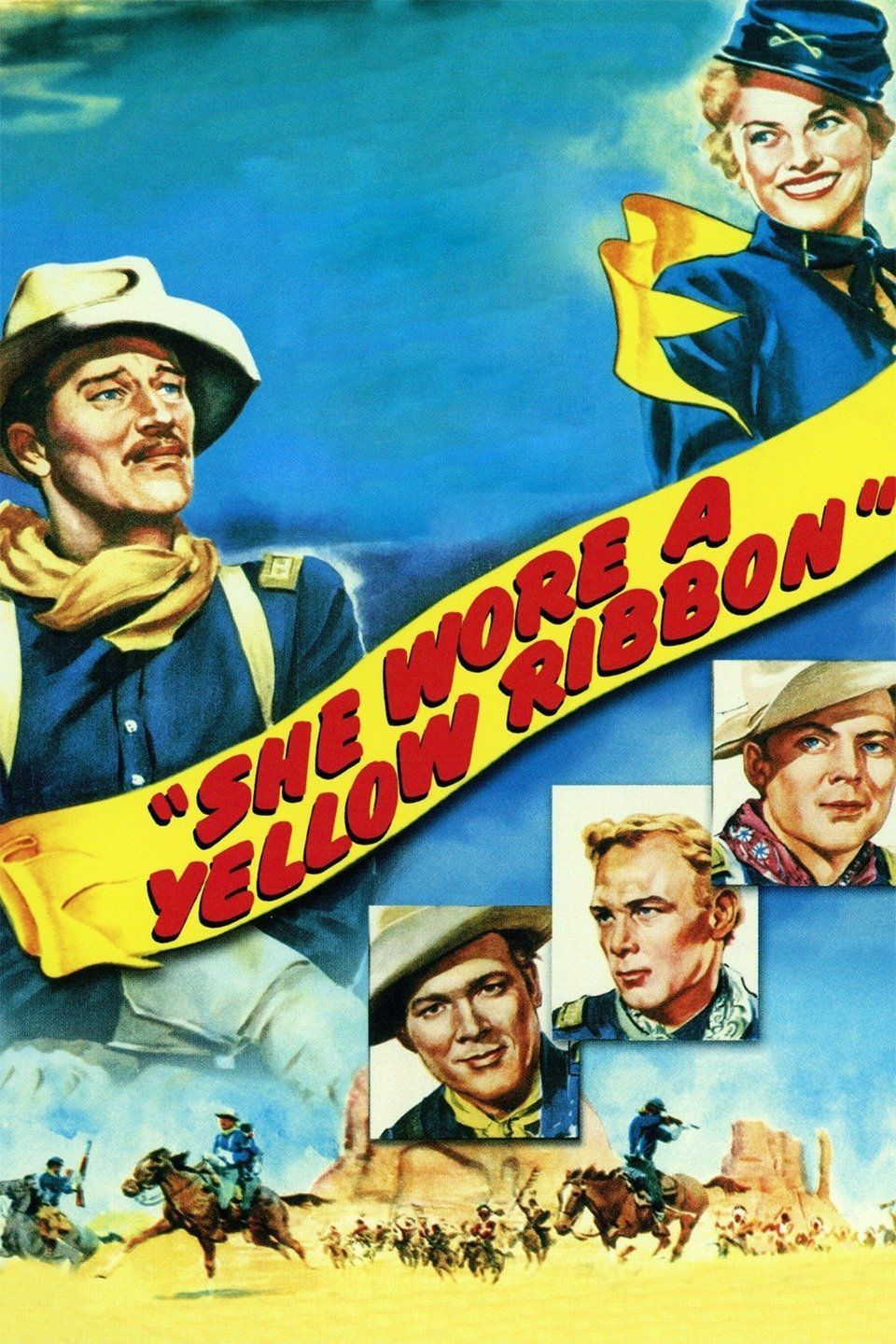
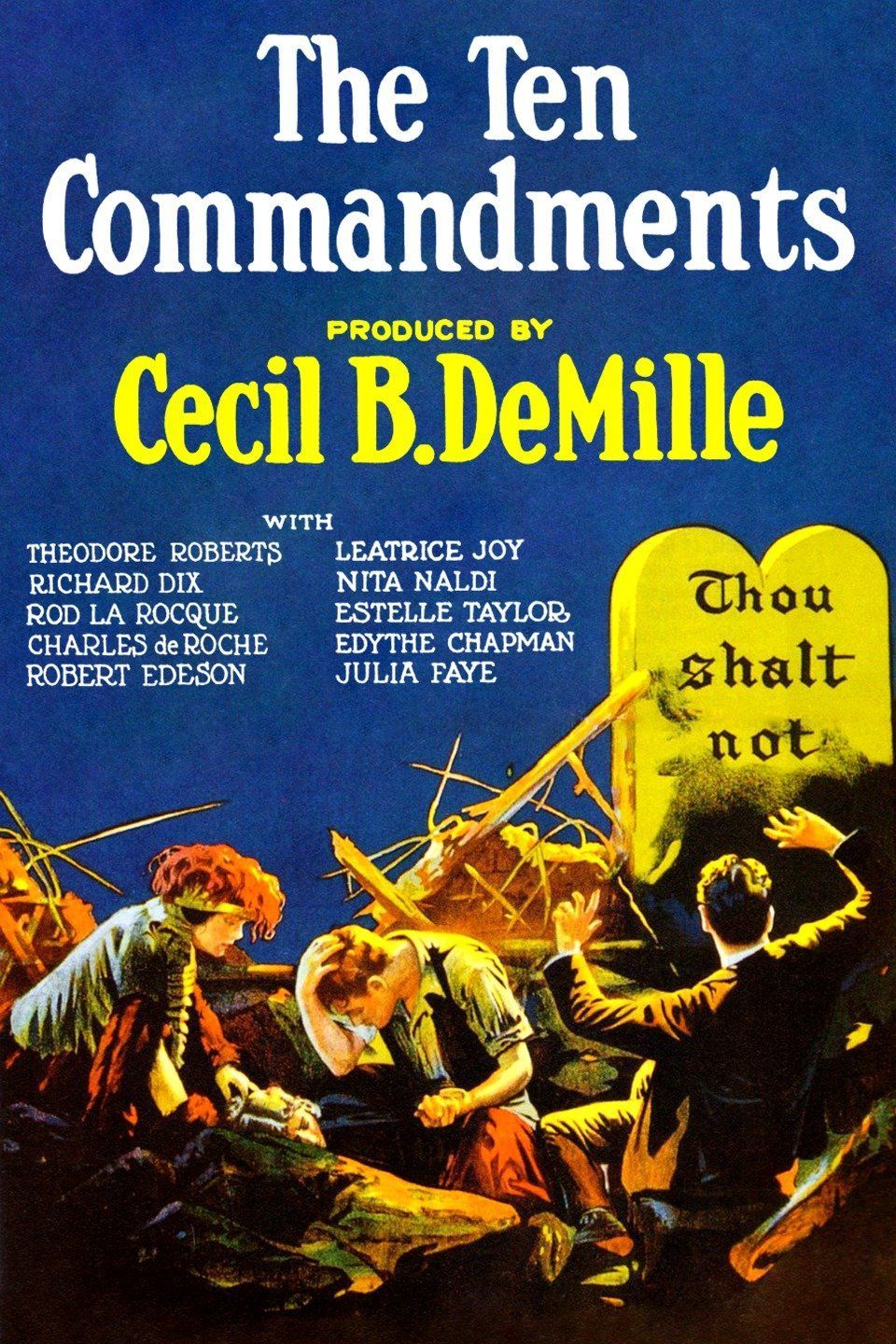
Archie Stout (March 30, 1886 – March 10, 1973), A.S.C. was an American cinematographer whose career spanned from 1914 to 1954. He enjoyed a long and fruitful association with John Ford, working as second unit cinematographer on Fort Apache (1948), She Wore a Yellow Ribbon (1949) and The Quiet Man (1952), becoming the only 2nd unit cinematographer to receive an Academy Award. In a wide-ranging career, he also worked on such films as the original version of The Ten Commandments (1923) and several Hopalong Cassidy and Tarzan films. His last film was the airborne disaster movie The High and the Mighty in 1954. In 1914, Mack Sennett was filming a comedy with Louise Fazenda, and it required a scene with a pelican "nibbling at [Louise's] posterior". However, the state law in California required that a representative of the fish and game committee be present at all times when handling the pelican. Archie was game warden of the fish and game commission of California at the time, and was assigned to oversee the handling of a pelican. However, several days after the scene with the pelican, Stout continued to observe and speak to Mack Sennett and his lead cameraman, Fred Jackman, throughout the rest of the shoot. Jackman, taking a liking to Stout, and in need of background shots, asked if Stout would be interested in getting the shots for him. Stout eagerly agreed, and after a brief lesson on how the camera worked, went up into the High Sierras to get the shots. Once the film was developed, Jackman saw the potential in Stout's abilities and hired him immediately.
By the 1930s, Stout was "earning a reputation for outstanding outdoor photography" and was moving between director of photography positions and second unit jobs. He would go on to develop a strong professional relationship with actor John Wayne, shooting at least 25 of his films, most of which were westerns.
Stout eventually became a part of director John Ford's camera crew, handling second unit photography on Fort Apache (1948), She Wore a Yellow Ribbon (1949), Rio Grande (1950), Wagon Master (1950) and The Quiet Man (1952). Between his background with nature and his eye for exterior shots, Stout would go on to be "among the top dozen cinematographers associated with Westerns".
In an interview, Archie said in the first eight years of his career he "roughly made 300 pictures for Mack Sennett and the Christie boys". By the printing of the article, he would be shooting his 500th film. Although that is a staggering number of movies for a cinematographer, especially one well into his 50s, Archie was not too impressed with the number, saying that "in the old days a one-reeler was shot in two or three days, and as soon as you finished one you started right in with another".
Archie Stout (March 30, 1886 – March 10, 1973), A.S.C. was an American cinematographer whose career spanned from 1914 to 1954. He enjoyed a long and fruitful association with John Ford, working as second unit cinematographer on Fort Apache (1948), She Wore a Yellow Ribbon (1949) and The Quiet Man (1952), becoming the only 2nd unit cinematographer to receive an Academy Award. In a wide-ranging career, he also worked on such films as the original version of The Ten Commandments (1923) and several Hopalong Cassidy and Tarzan films. His last film was the airborne disaster movie The High and the Mighty in 1954. In 1914, Mack Sennett was filming a comedy with Louise Fazenda, and it required a scene with a pelican "nibbling at [Louise's] posterior". However, the state law in California required that a representative of the fish and game committee be present at all times when handling the pelican. Archie was game warden of the fish and game commission of California at the time, and was assigned to oversee the handling of a pelican. However, several days after the scene with the pelican, Stout continued to observe and speak to Mack Sennett and his lead cameraman, Fred Jackman, throughout the rest of the shoot. Jackman, taking a liking to Stout, and in need of background shots, asked if Stout would be interested in getting the shots for him. Stout eagerly agreed, and after a brief lesson on how the camera worked, went up into the High Sierras to get the shots. Once the film was developed, Jackman saw the potential in Stout's abilities and hired him immediately.
By the 1930s, Stout was "earning a reputation for outstanding outdoor photography" and was moving between director of photography positions and second unit jobs. He would go on to develop a strong professional relationship with actor John Wayne, shooting at least 25 of his films, most of which were westerns.
Stout eventually became a part of director John Ford's camera crew, handling second unit photography on Fort Apache (1948), She Wore a Yellow Ribbon (1949), Rio Grande (1950), Wagon Master (1950) and The Quiet Man (1952). Between his background with nature and his eye for exterior shots, Stout would go on to be "among the top dozen cinematographers associated with Westerns".
In an interview, Archie said in the first eight years of his career he "roughly made 300 pictures for Mack Sennett and the Christie boys". By the printing of the article, he would be shooting his 500th film. Although that is a staggering number of movies for a cinematographer, especially one well into his 50s, Archie was not too impressed with the number, saying that "in the old days a one-reeler was shot in two or three days, and as soon as you finished one you started right in with another".
Film e Serie su Plex







Filmografia
| 1953 | The 25th Annual Academy Awards · as Self - Winner For Cinematography Color Production |
| 1954 | The High and the Mighty · as Director Of Photography |
| 1953 | Hondo · as Director Of Photography |
| 1953 | Island in the Sky · as Director Of Photography |
| 1953 | Trouble Along the Way · as Director Of Photography |
| 1953 | The Sun Shines Bright · as Director Of Photography |
| 1952 | Big Jim McLain · as Director Of Photography |
| 1952 | The Quiet Man · as Second Unit Director Of Photography |
| 1951 | On the Loose · as Cinematographer |
| 1951 | Hard, Fast and Beautiful! · as Director Of Photography |
| 1950 | Outrage · as Director Of Photography |
| 1950 | Rio Grande · as Second Unit Director Of Photography |
| 1950 | Wagon Master · as Second Unit Director Of Photography |
| 1950 | Never Fear · as Director Of PhotographySu Plex |
| 1949 | She Wore a Yellow Ribbon · as Second Unit Director Of PhotographySu Plex |
| 1949 | Lust for Gold · as Director Of Photography |
| 1948 | Fort Apache · as Director Of Photography |
| 1947 | Tarzan and the Huntress · as Director Of Photography |
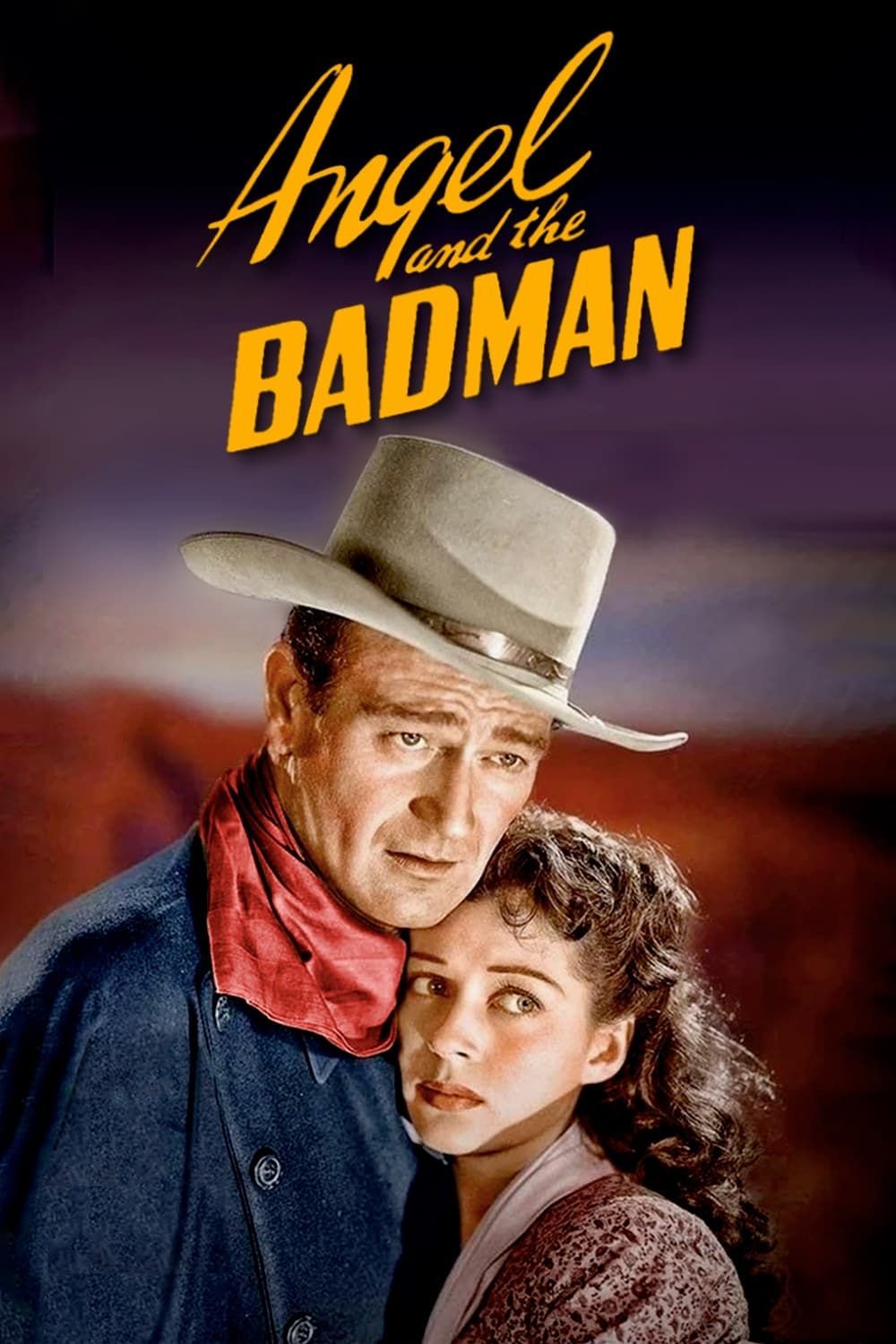
| 1947 | Angel and the Badman · as Director Of PhotographySu Plex |
| 1946 | Abilene Town · as Director Of PhotographySu Plex |
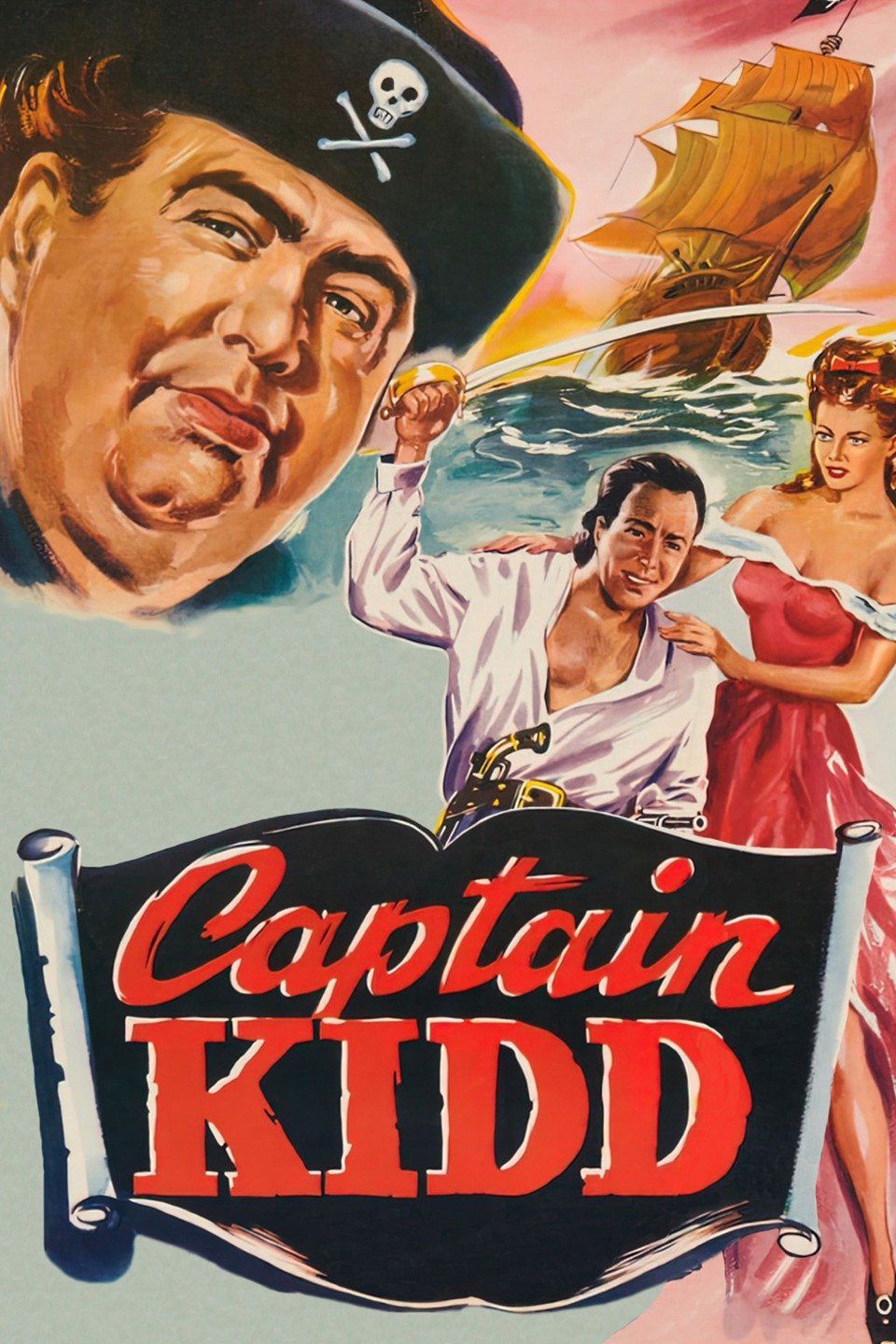
| 1945 | Captain Kidd · as Director Of PhotographySu Plex |
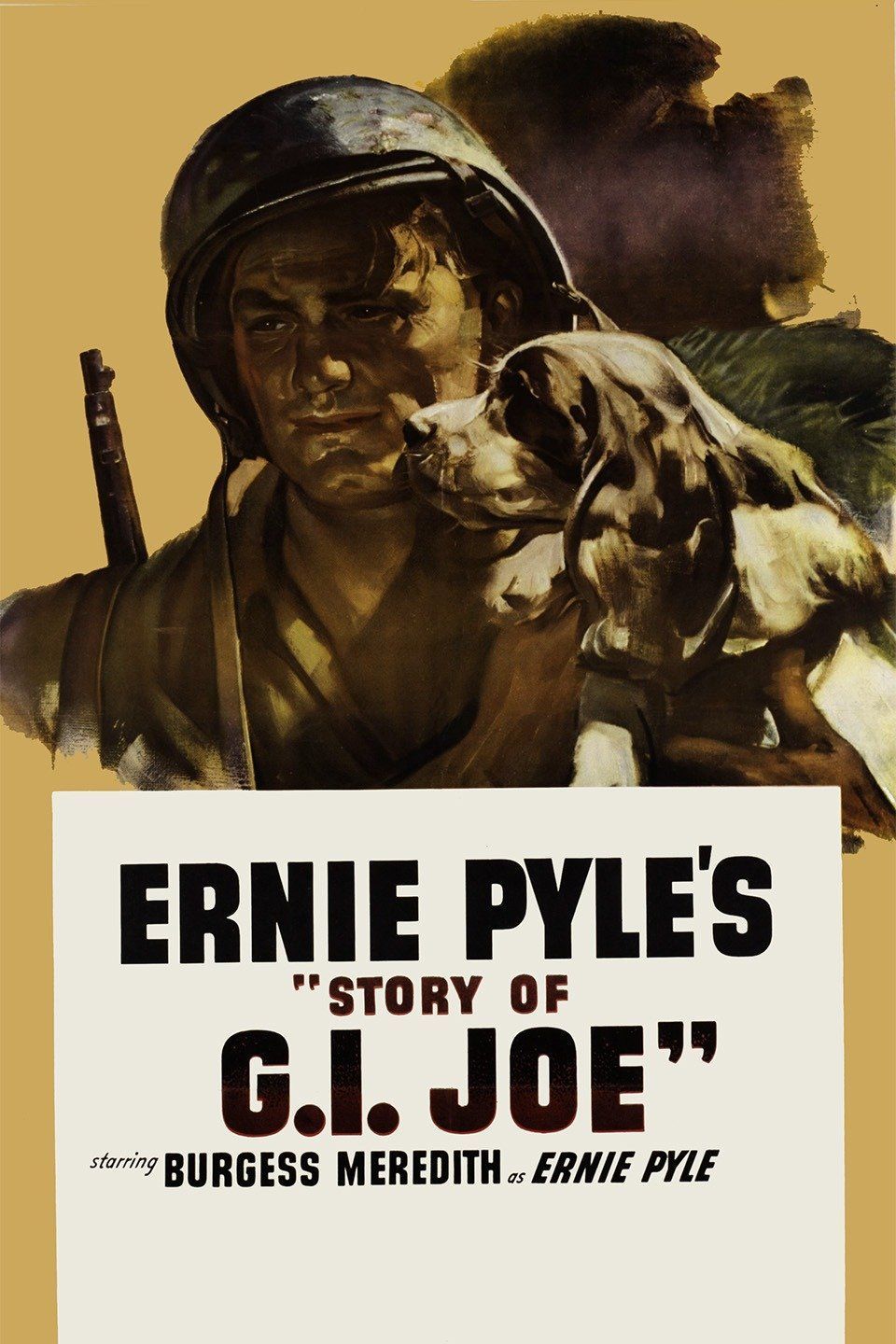
| 1945 | Story of G.I. Joe · as Director Of PhotographySu Plex |
| 1945 | Tarzan and the Amazons · as Director Of Photography |
| 1944 | Dark Waters · as Director Of Photography |
| 1944 | Alaska · as Cinematographer |
| 1944 | Summer Storm · as Director Of Photography |
| 1944 | It Happened Tomorrow · as Director Of PhotographySu Plex |
| 1940 | Texas Rangers Ride Again · as Director Of Photography |
| 1939 | Rulers of the Sea · as Director Of Photography |
| 1939 | Beau Geste · as Director Of Photography |
| 1939 | Mystery Plane · as Cinematographer |
| 1938 | Professor Beware · as Cinematographer |
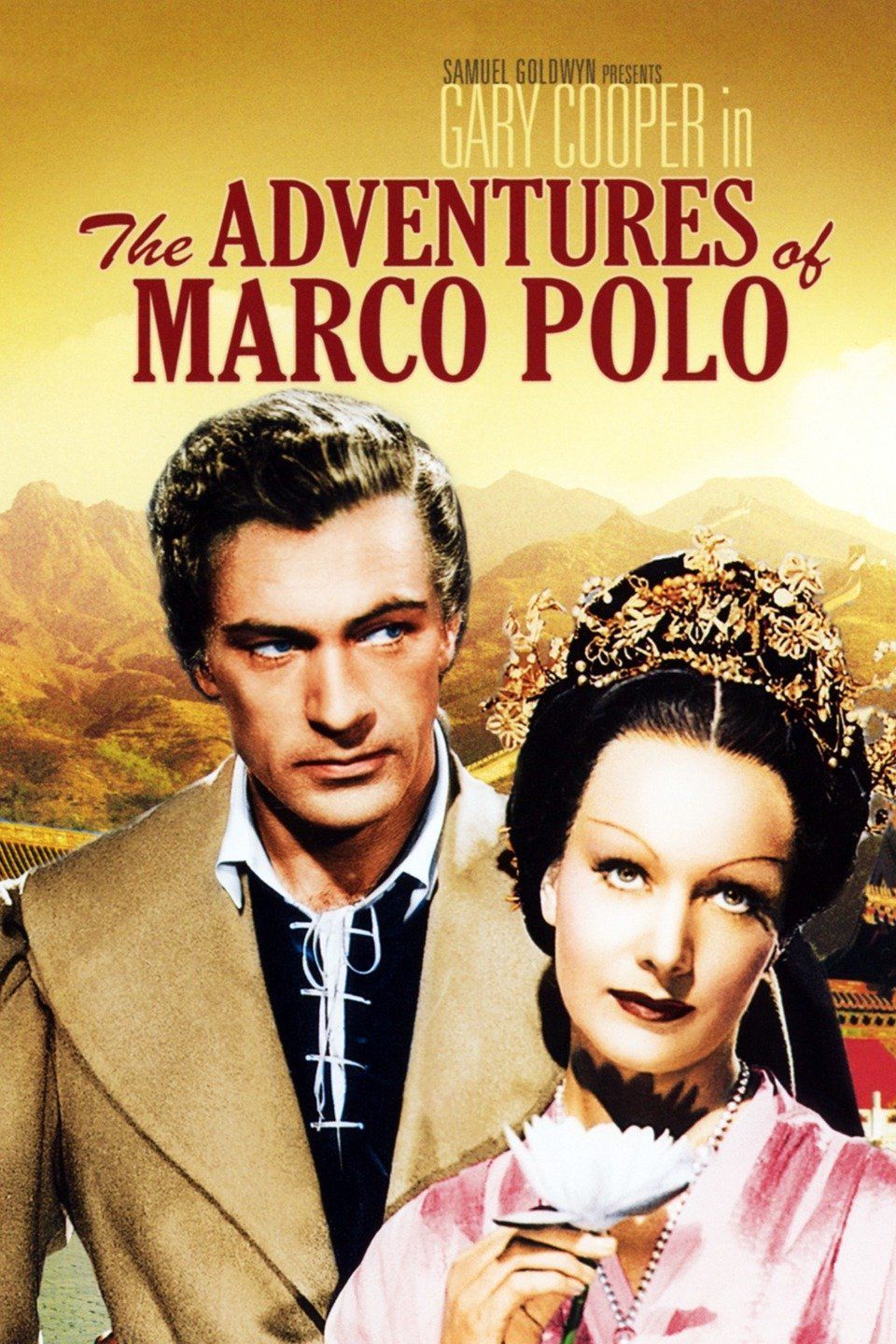
| 1938 | The Adventures of Marco Polo · as Director Of PhotographySu Plex |
| 1937 | Hills of Old Wyoming · as Director Of Photography |
| 1937 | Borderland · as Director Of Photography |
| 1936 | Trail Dust · as Director Of Photography |
| 1936 | Conflict · as Cinematographer |
| 1936 | Hopalong Cassidy Returns · as Director Of Photography |
| 1936 | The Sea Spoilers · as Director Of Photography |
| 1936 | Three on the Trail · as Director Of Photography |
| 1936 | Call of the Prairie · as Director Of Photography |
| 1936 | Heart of the West · as Director Of Photography |
| 1935 | Bar 20 Rides Again · as Director Of Photography |
| 1935 | Lawless Range · as Director Of PhotographySu Plex |
| 1935 | The Eagle's Brood · as Director Of Photography |
| 1935 | Guns Along The Trail · as Director Of Photography |
| 1935 | Hop-a-Long Cassidy · as Director Of Photography |
| 1935 | Westward Ho · as Director Of Photography |
| 1935 | Paradise Canyon · as Director Of PhotographySu Plex |
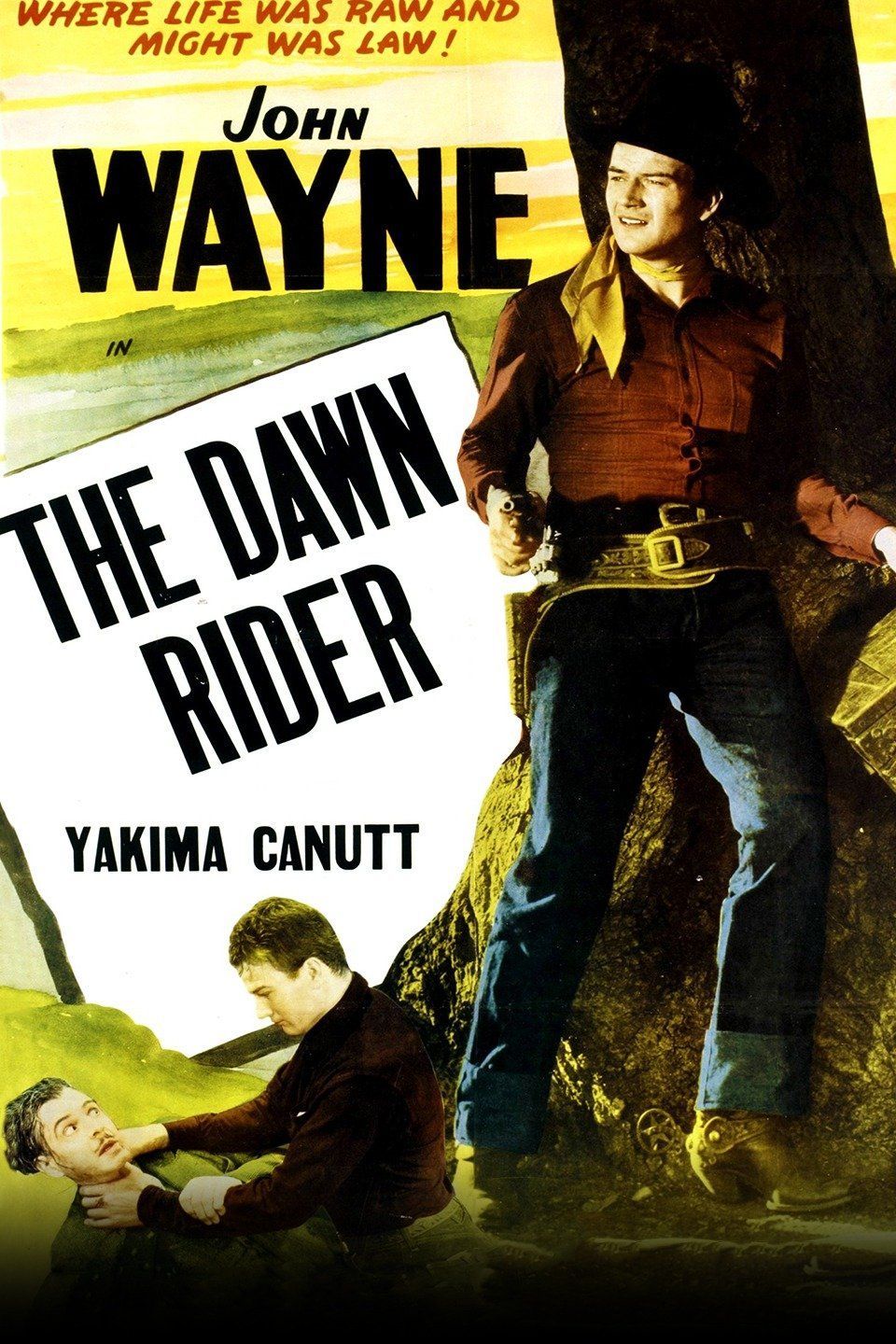
| 1935 | The Dawn Rider · as Director Of PhotographySu Plex |
| 1935 | The Desert Trail · as Director Of PhotographySu Plex |
| 1935 | Rocky Mountain Mystery · as Director Of PhotographySu Plex |
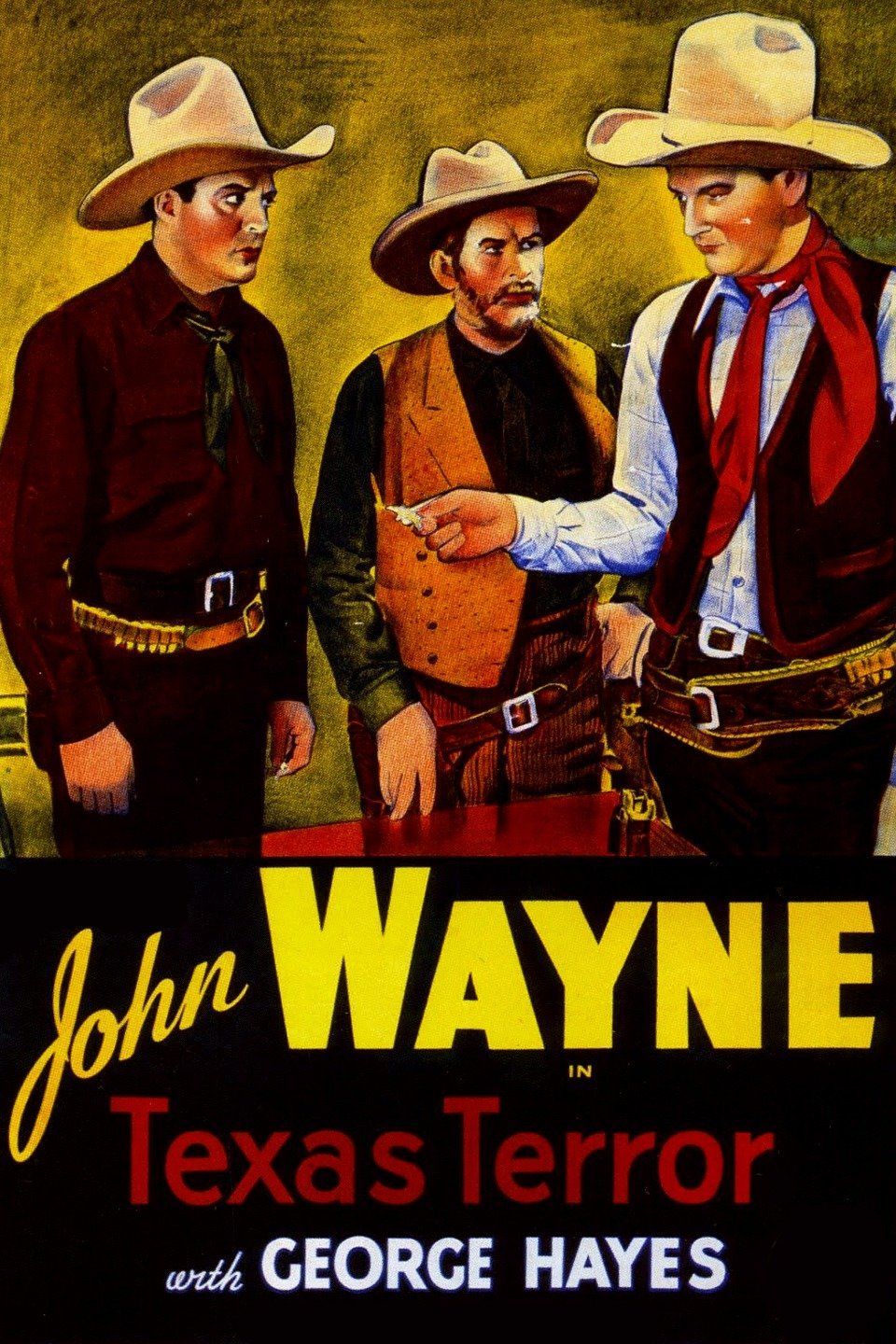
| 1935 | Texas Terror · as Director Of PhotographySu Plex |
| 1934 | Sing Sing Nights · as Cinematographer |
| 1934 | 'Neath the Arizona Skies · as Director Of PhotographySu Plex |
| 1934 | Flirting with Danger · as CinematographerSu Plex |
| 1934 | The Lawless Frontier · as Director Of PhotographySu Plex |
| 1934 | The Trail Beyond · as Director Of PhotographySu Plex |
| 1934 | Happy Landing · as Cinematographer |
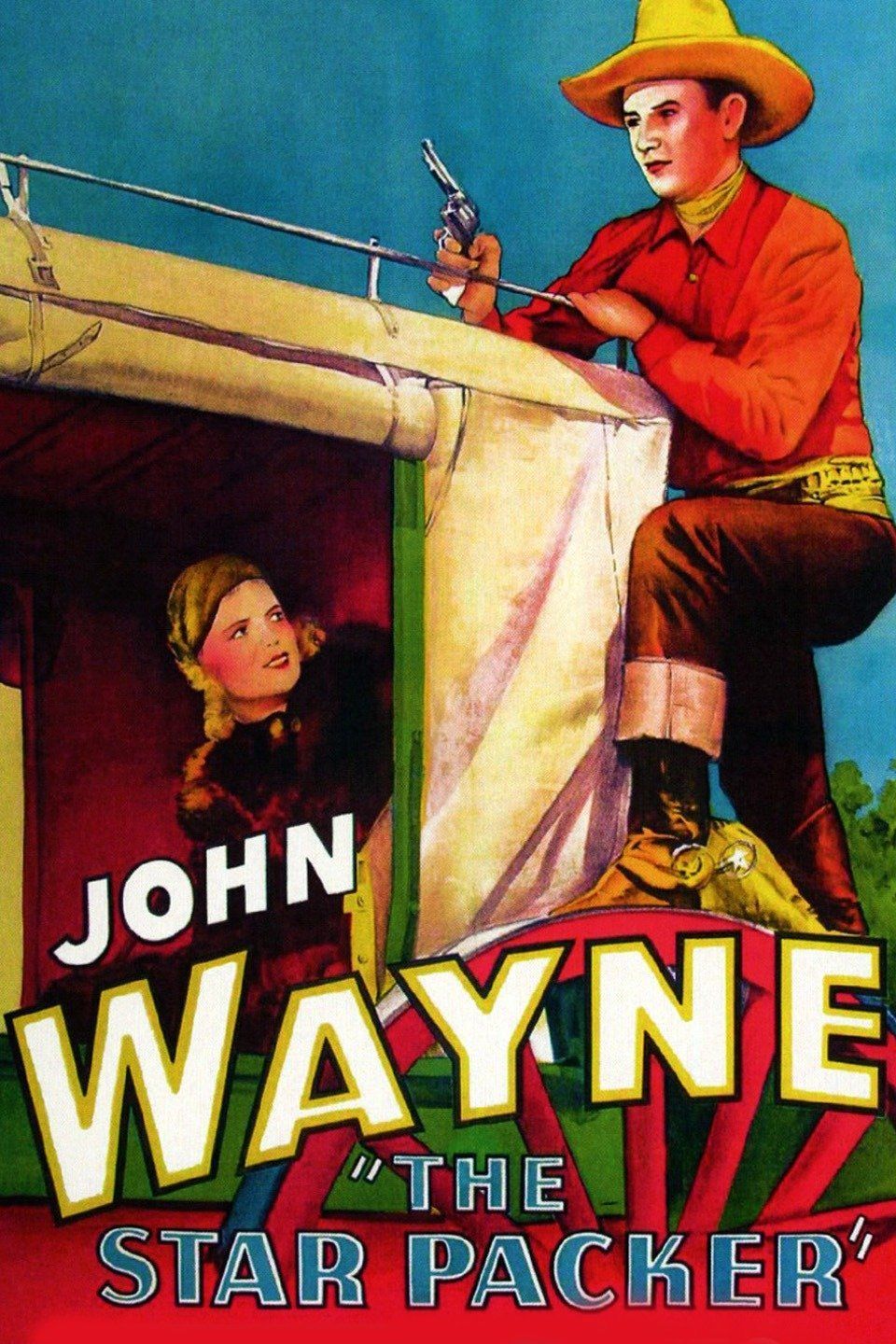
| 1934 | The Star Packer · as Director Of PhotographySu Plex |
| 1934 | Randy Rides Alone · as Director Of Photography |
| 1934 | Monte Carlo Nights · as Cinematographer |
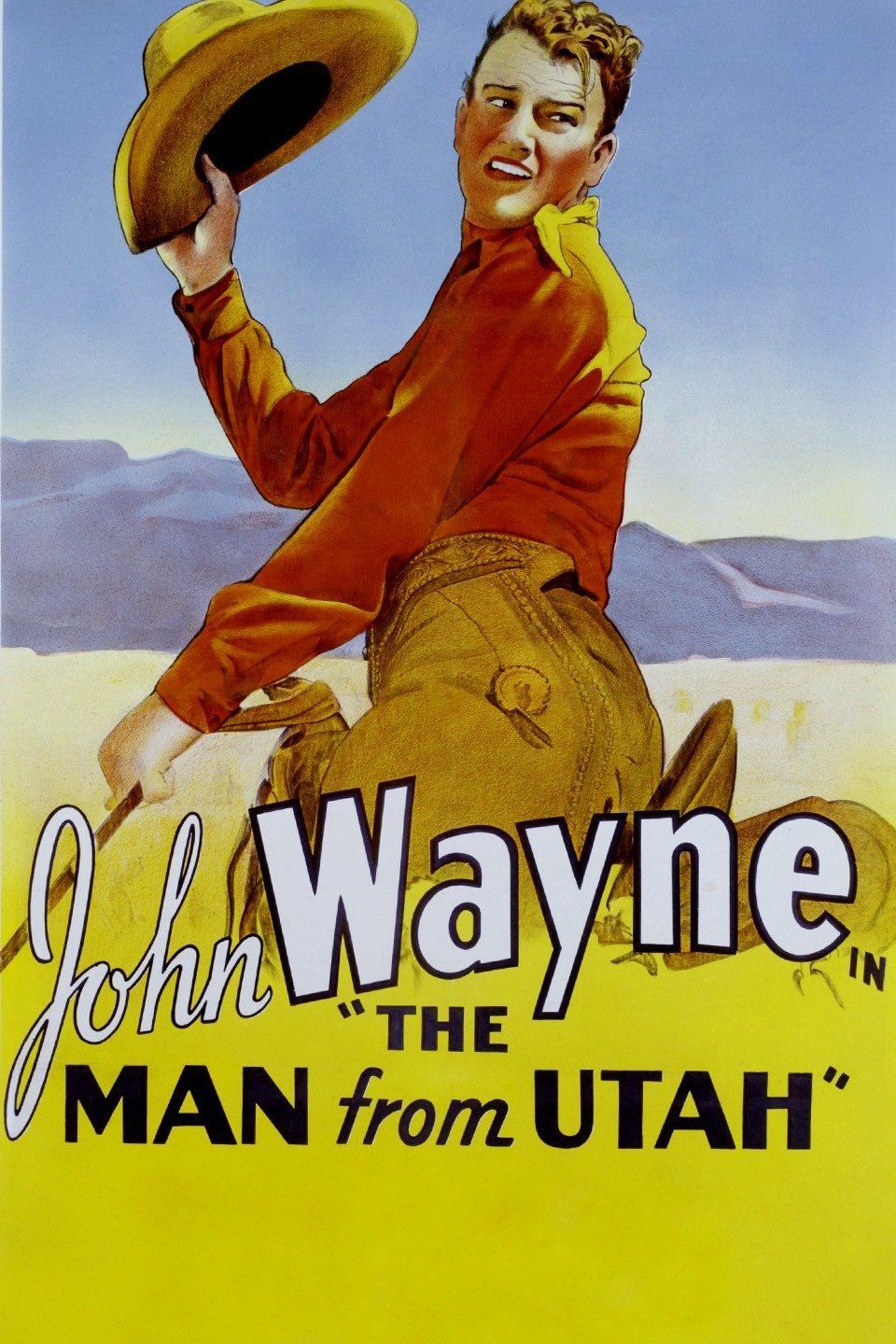
| 1934 | The Man from Utah · as Director Of PhotographySu Plex |
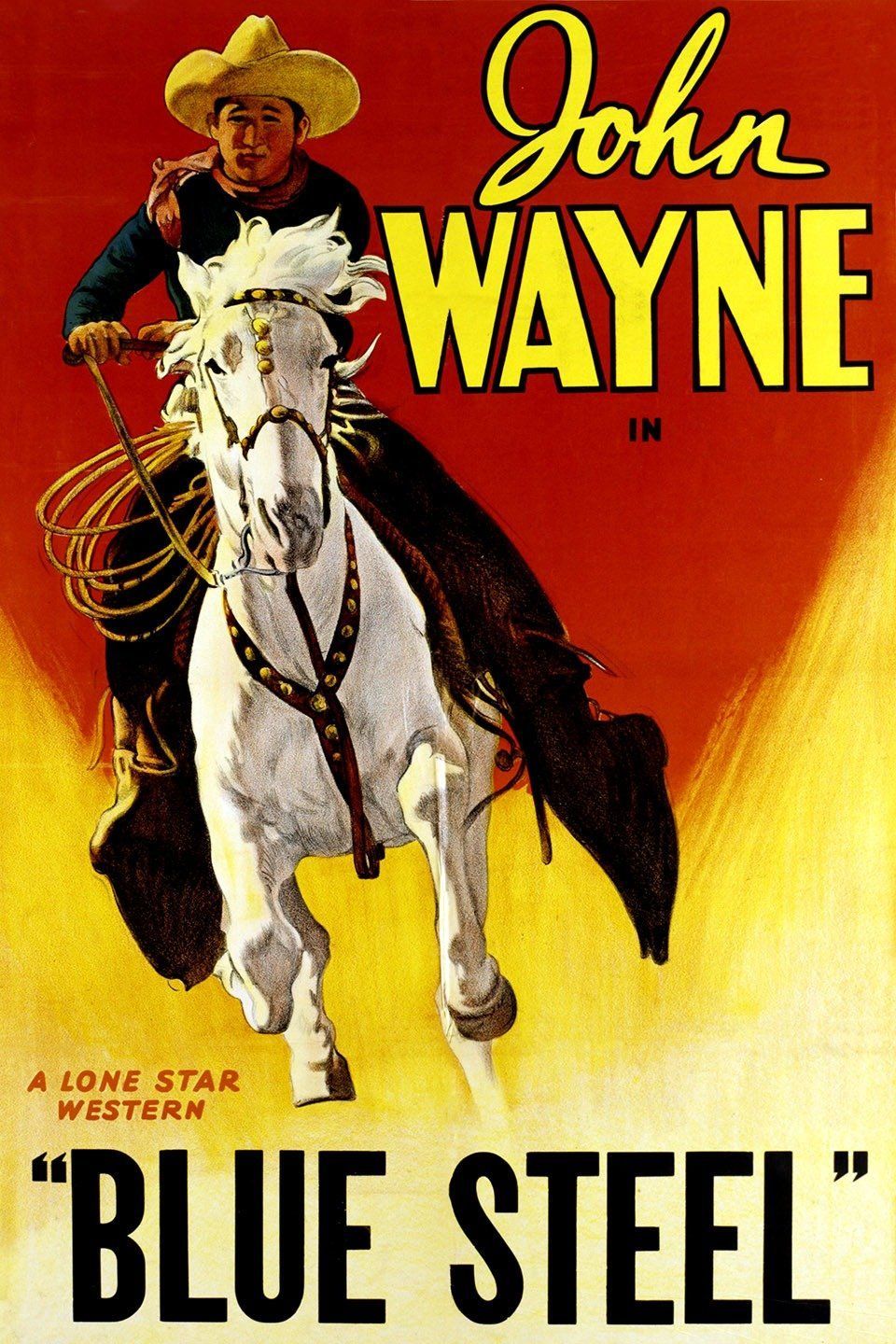
| 1934 | Blue Steel · as CinematographerSu Plex |
| 1934 | The Last Round-Up · as Cinematographer |
| 1934 | The House of Mystery · as Cinematographer |
| 1934 | Mystery Liner · as Director Of PhotographySu Plex |
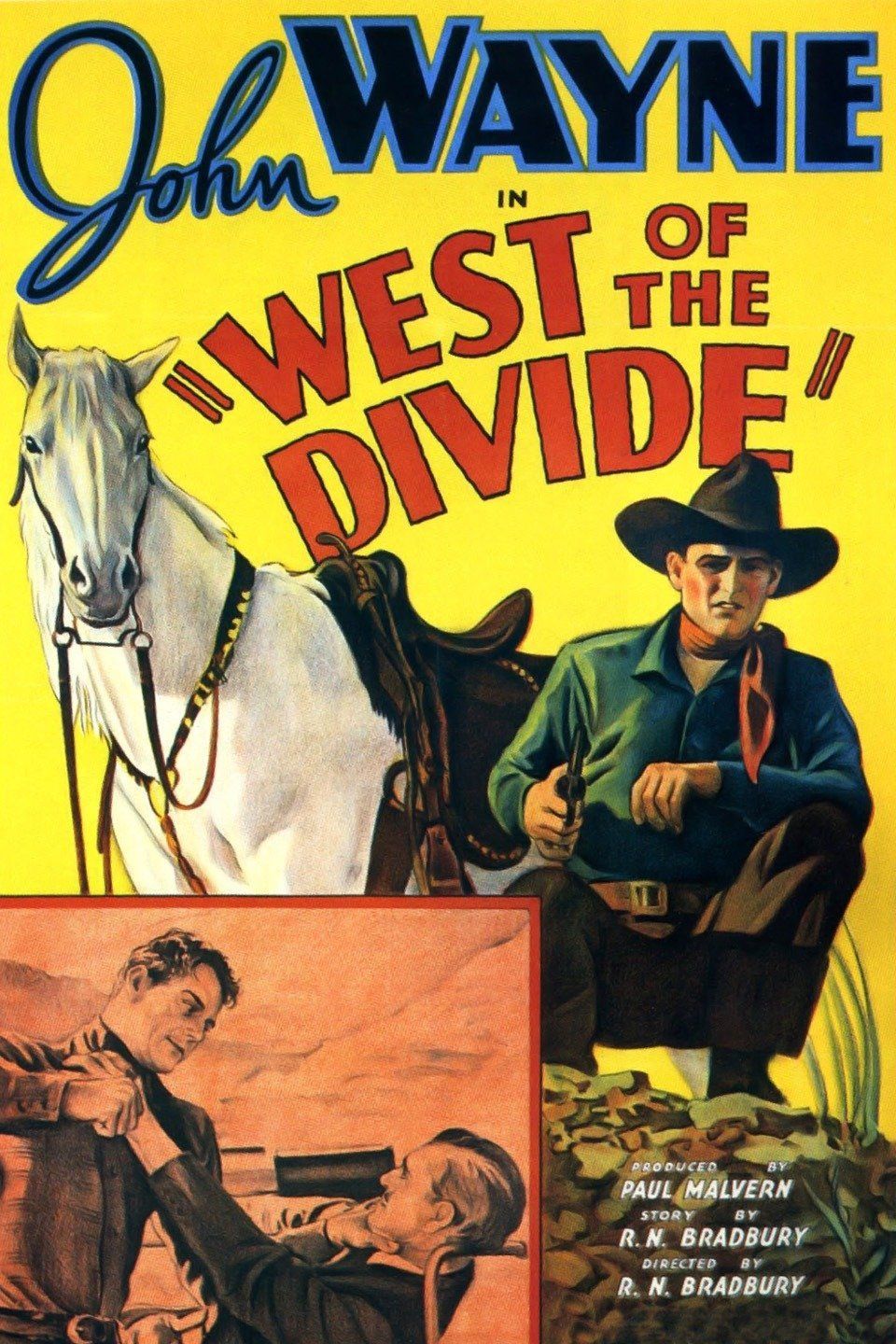
| 1934 | West of the Divide · as Director Of PhotographySu Plex |
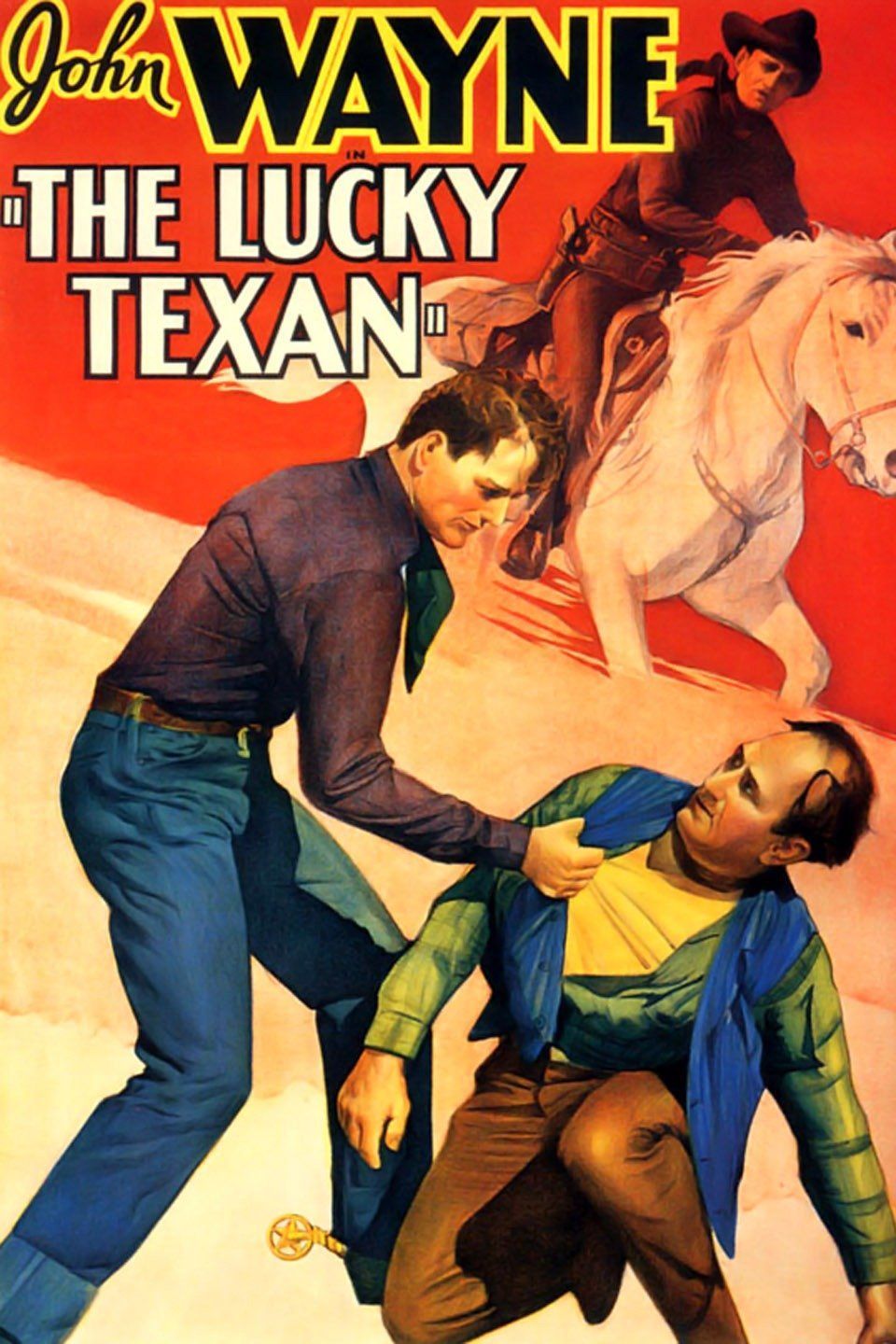
| 1934 | The Lucky Texan · as Director Of PhotographySu Plex |
| 1934 | Sixteen Fathoms Deep · as Director Of Photography |
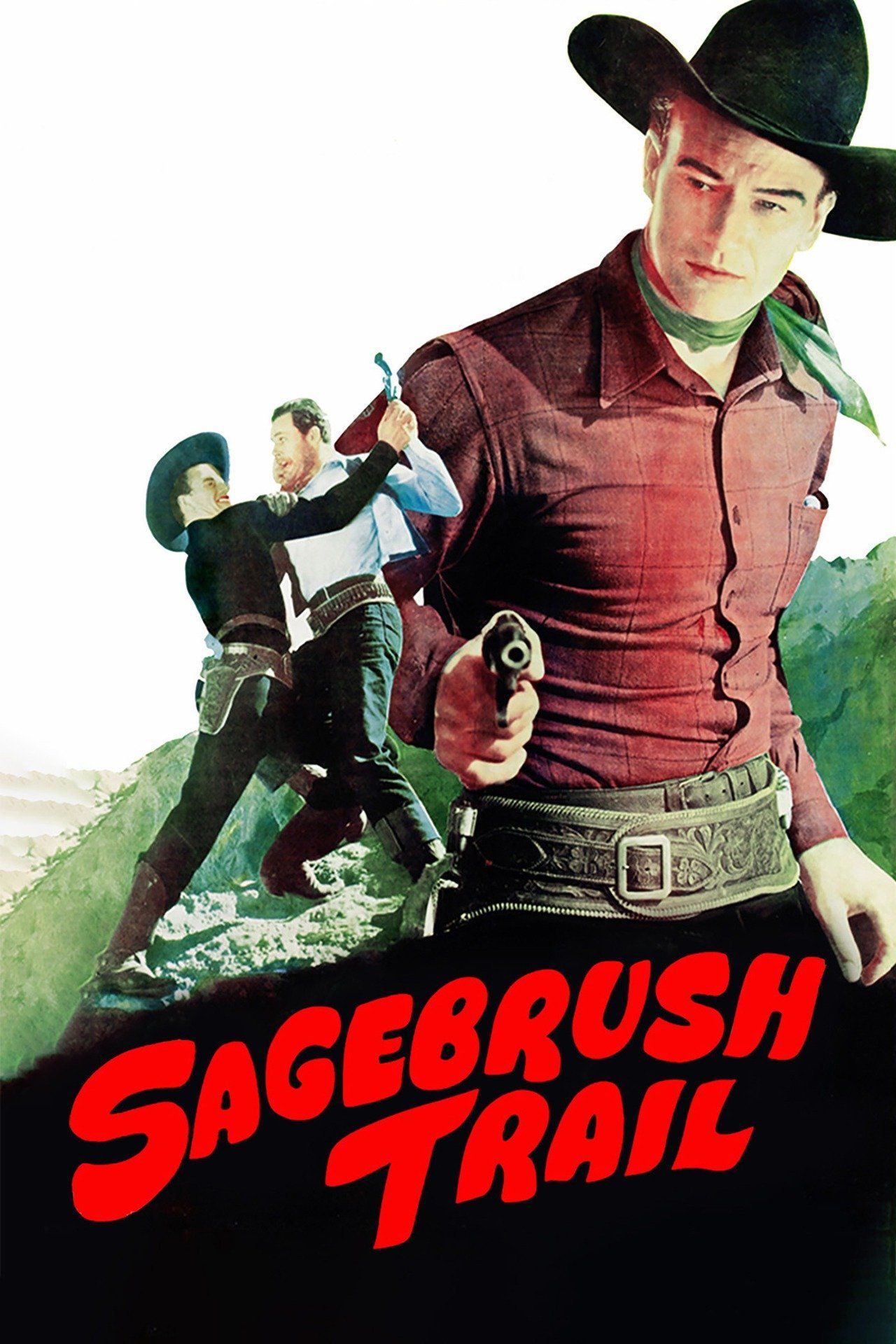
| 1933 | Sagebrush Trail · as Director Of PhotographySu Plex |
| 1933 | Riders of Destiny · as Director Of PhotographySu Plex |
| 1933 | Galloping Romeo · as Cinematographer |
| 1933 | Rainbow Ranch · as Director Of Photography |
| 1933 | Fighting Texans · as Cinematographer |
| 1933 | The Mysterious Rider · as Director Of Photography |
| 1932 | The Fighting Champ · as Cinematographer |
| 1932 | Lucky Larrigan · as Cinematographer |
| 1932 | Young Blood · as Cinematographer |
| 1932 | Texas Buddies · as Cinematographer |
| 1932 | Hidden Valley · as Cinematographer |
| 1932 | Heritage of the Desert · as Director Of Photography |
| 1932 | From Broadway to Cheyenne · as Cinematographer |
| 1932 | Klondike · as Cinematographer |
| 1932 | Son of Oklahoma · as Cinematographer |
| 1932 | Honor of the Mounted · as Cinematographer |
| 1932 | Flames · as Cinematographer |
| 1932 | Law of the North · as Director Of Photography |
| 1932 | Mason of the Mounted · as Cinematographer |
| 1932 | Riders of the Desert · as Cinematographer |
| 1932 | Vanishing Men · as Cinematographer |
| 1932 | Law of the West · as Director Of Photography |
| 1932 | Police Court · as Cinematographer |
| 1932 | Single-Handed Sanders · as Cinematographer |
| 1932 | Ghost City · as Director Of Photography |
| 1931 | The Law of the Sea · as Director Of Photography |
| 1931 | Near the Trail's End · as Cinematographer |
| 1931 | The Montana Kid · as Cinematographer |
| 1931 | Rider of the Plains · as Cinematographer |
| 1931 | God's Country and the Man · as Cinematographer |
| 1931 | Gun Smoke · as Director Of Photography |
| 1931 | The Conquering Horde · as Director Of Photography |
| 1931 | It Pays to Advertise · as Cinematographer |
| 1931 | The Sunrise Trail · as Director Of Photography |
| 1930 | Derelict · as Director Of Photography |
| 1930 | Headin' North · as Director Of Photography |
| 1930 | The Sea God · as Director Of Photography |
| 1930 | Manslaughter · as Director Of Photography |
| 1930 | The Return of Dr. Fu Manchu · as Director Of Photography |
| 1930 | The Benson Murder Case · as Director Of Photography |
| 1930 | Men Are Like That · as Director Of Photography |
| 1930 | Young Eagles · as Cinematographer |
| 1930 | Dangerous Paradise · as Director Of Photography |
| 1929 | Darkened Rooms · as Director Of Photography |
| 1923 | The Ten Commandments · as CinematographerSu Plex |