
Quell'ultimo giorno - Lettere di un uomo morto
Dove guardare Quell'ultimo giorno - Lettere di un uomo morto








- Garrett Wilkins21 h faClosing out my own unofficial tetralogy of films exploring nuclear devastation, Dead Man's Letters proved to be the most introspective of the group. Rather than focusing on the mechanics of catastrophe or the events leading up to it, Konstantin Lopushansky turns his attention to what remains afterward, exploring profound moral and philosophical questions through an atmosphere of almost suffocating decay. Although the film ostensibly takes place in an unidentified Western city, I couldn't help but feel Lopushansky was crafting a warning for Soviet audiences in much the same way American and British filmmakers had done for their own, using nuclear devastation to confront his countrymen with the consequences of the unthinkable. The film's haunting visual style creates a world that feels suspended between life and death, where every frame seems consumed by the weight of what has already been lost. I appreciated seeing a film that was less concerned with documenting the disaster itself than with reflecting on what survives beyond it. What ultimately kept me from fully embracing the film was that its philosophical ambitions occasionally overshadowed its storytelling. I admired nearly every question it raised, but there were stretches where the symbolism and lengthy conversations created more distance than emotional momentum. I'll also admit that I was limited by my own perspective as an American. The film's distinctly Soviet atmosphere and worldview sometimes made it difficult for me to fully grasp everything Lopushansky was communicating, but I connected with it enough to understand just how devastating and relentlessly bleak his vision of nuclear aftermath truly is. I found myself thinking about the film's ideas more than becoming invested in its narrative. Dead Man's Letters still succeeds at what it sets out to do, even if it doesn't leave quite the same emotional impact. It offered a perspective unlike anything else I encountered, and I came away respecting its willingness to explore the human condition after unimaginable tragedy rather than simply the tragedy itself.

Ottenere Plex sui dispositivi
Gratuito su oltre 20 piattaforme. Scegliete la vostra.Quell'ultimo giorno - Lettere di un uomo morto Trivia
Quell'ultimo giorno - Lettere di un uomo morto è stato rilasciato il 15 settembre 1986.
Quell'ultimo giorno - Lettere di un uomo morto era diretto da Konstantin Lopushansky.
Quell'ultimo giorno - Lettere di un uomo morto ha una durata di 83min.
Quell'ultimo giorno - Lettere di un uomo morto è stato prodotto da Yuri Golynchik, Raisa Proskuryakova.
Nel sotterraneo di un museo, dopo un'esplosione atomica, uno scienziato premio Nobel scrive al figlio disperso. Incursioni all'aperto descrivono l'orrore della devastazione.
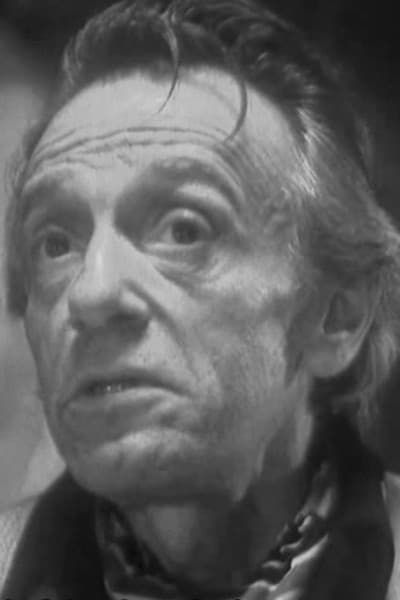
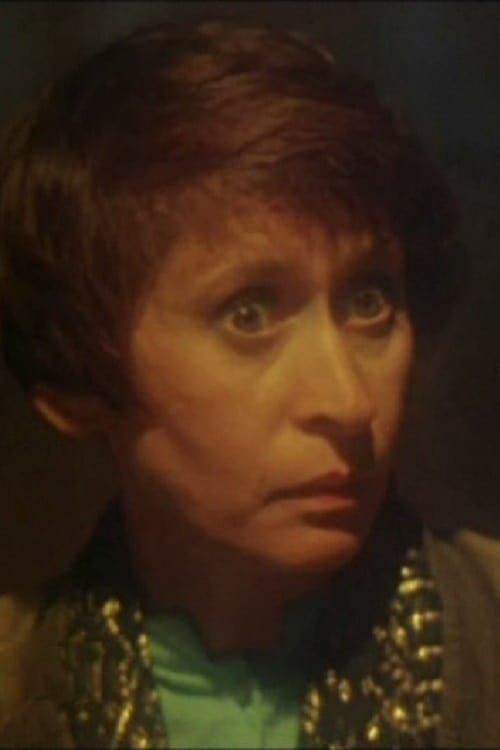
I personaggi principali di Quell'ultimo giorno - Lettere di un uomo morto sono Professor (Rolan Bykov), Humanist (Iosif Ryklin), Aleksandr Sabinin.
Quell'ultimo giorno - Lettere di un uomo morto è votato T.
Quell'ultimo giorno - Lettere di un uomo morto è un film Fantascienza, Dramma.
Quell'ultimo giorno - Lettere di un uomo morto ha una valutazione di 9.1 su 10 dal pubblico.