
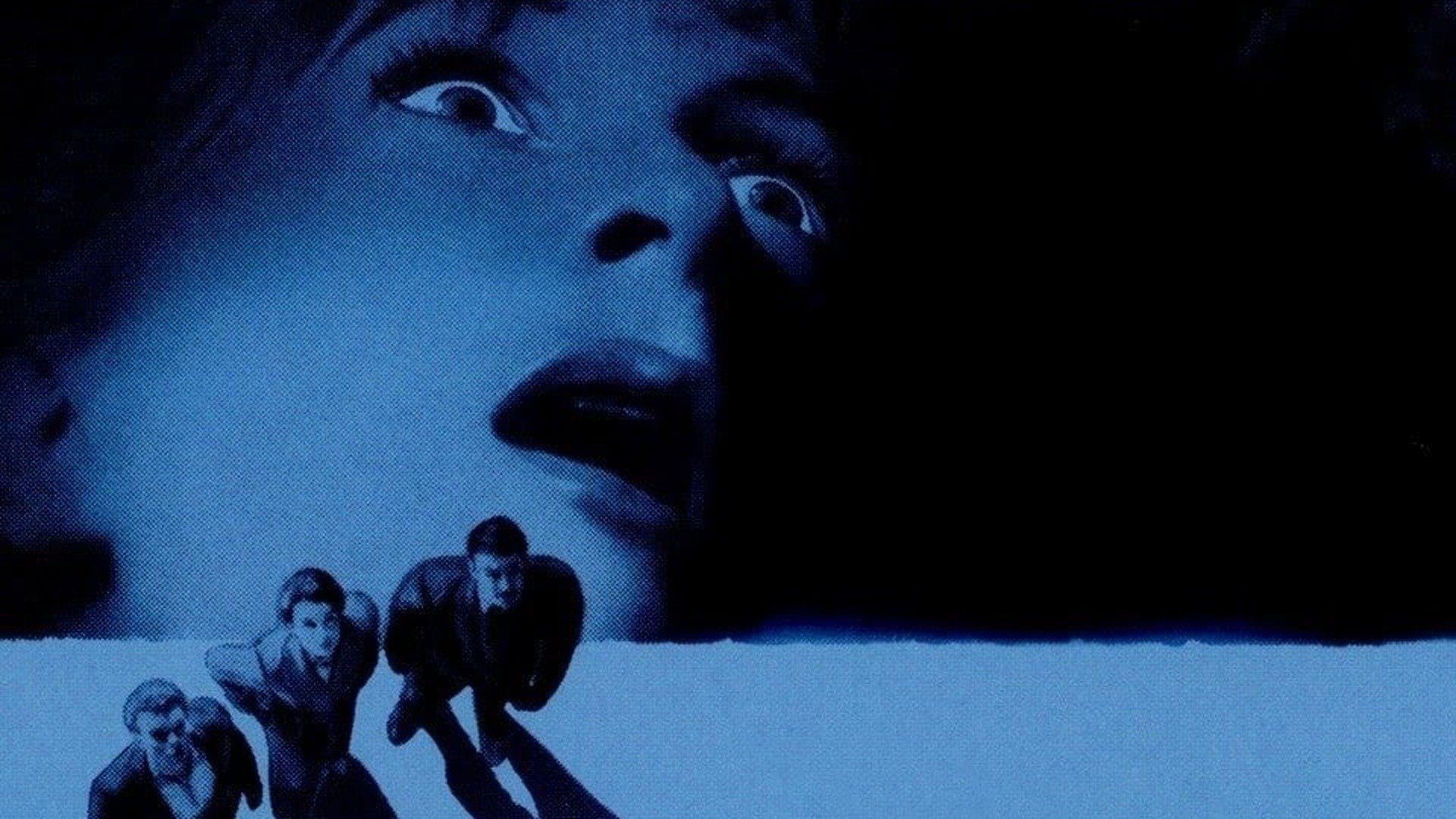

Où regarder La Maison du diable








- Steve Zodiac12 août 2026The original version of "THE HAUNTING" is the creepiest scariest, ghostly atmospheric BEST haunted house movie ever made in Hollywood history It's an absolute must see if you like ghost stories (Warning: Stay away and forget the lousy terrible 1999 remake)
- Kevin Ward10 août 2026An incredibly effective psychological/supernatural horror from 1963. But I was definitely most impressed by the camerawork. Practically every shot had something interesting about the way the camera moved, tilted, or focused. Really brings the Hill House to life.
- James Saenz29 octobre 2025“i dislike lobster, crack my knuckles when i’m nervous, save buttons, and sleep on my left side.” “why on the left side?” “i read someplace it wears the heart out quicker.” i adore shirley jackson. my first introduction to her, as i’m sure it was for a lot of people, was reading the lottery in middle school. i was immediately captivated by her writing style, but it wasn’t until i watched flanagan’s adaptation of the haunting of hill house that i made the effort to read this story. few stories have impacted me the way his interpretation have, and it’s so different from the text. both are magnificent works of art in their own right, but after reading the original story i didn’t think a straightforward, faithful film adaptation would work well. i’m so happy i was wrong. this has some of the most creative camerawork i’ve ever seen, and the lens explores the spaces beautifully. every second of this is underpinned with a think layer of malaise and unease, even if in a vacuum the scares appear to be very tame. so much attention is paid to the atmosphere that when the inexplicable hauntings happen, you’ve fully bought into the fear of the characters. the house feels alive and malignant, parasitic and manipulative. eleanor, with all of her insecurities and crippling desires, never stood a chance; what a sad, horrible tale about loneliness and abandonment.
- Atomic702 août 2026The Haunting uses Eleanor’s psychological collapse to expose how mid‑century patriarchy pathologizes female emotion. The film frames her instability through schizophrenia‑coded tropes—hallucinations, dissociation, and self‑erasure—yet never allows her interiority to be understood on her own terms. Instead, male authority figures interpret, contain, and ultimately exploit her vulnerability. Theo’s queer-coded presence introduces a subtle lesbian subtext that destabilizes the house’s rigid gender dynamics. Her confidence and emotional autonomy contrast sharply with Eleanor’s fragility, revealing how female intimacy is simultaneously desired, feared, and punished within patriarchal narratives. Misogyny operates as the film’s architecture: Eleanor is infantilized, dismissed, and manipulated until the house becomes a metaphor for the social structures that consume women who cannot conform. Her final surrender is not just supernatural—it is the tragic endpoint of a system that denies women agency, voice, and psychological legitimacy.


Installez Plex sur vos appareils
Disponible gratuitement sur plus de 20 plateformes. Choisissez celle qui vous convient.La Maison du diable Anecdotes
La Maison du diable a été publié sur 25 août 1963.
La Maison du diable a été réalisé par Robert Wise.
La Maison du diable sa durée est de 1h 52min.
La Maison du diable a été réalisé par Robert Wise.
Le Dr Markway qui effectue des recherches dans le domaine de la parapsychologie tente une expérience de perception extrasensorielle avec un groupe de personnes réunies dans un vieux manoir réputé hanté. Dès le départ, des bruits insolites terrorisent les habitants de la demeure...
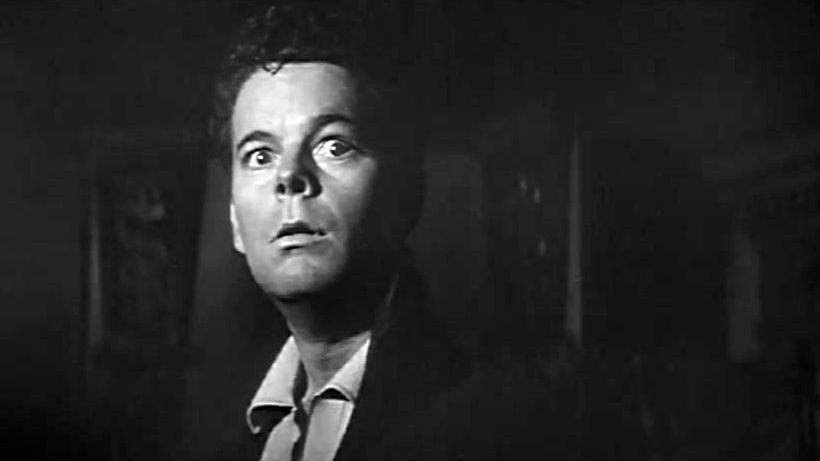
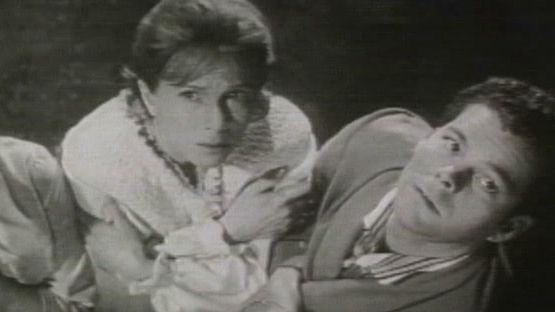
Les personnages principaux de * La Maison du diable * sont Eleanor Lance (Julie Harris), Theodora (Claire Bloom), Dr. John Markway (Richard Johnson).
La Maison du diable est classé « Tous publics ».
La Maison du diable est un film de l{genres}.
La Maison du diable a obtenu une note de 8.2 /10 de la part du public.
La Maison du diable disposait d'un budget de 1,1 M $US.
La Maison du diable a rapporté 1 M $US au box-office.