
decatur555
Plex Pass
Unido en 2017
Daytona Beach (FLA)
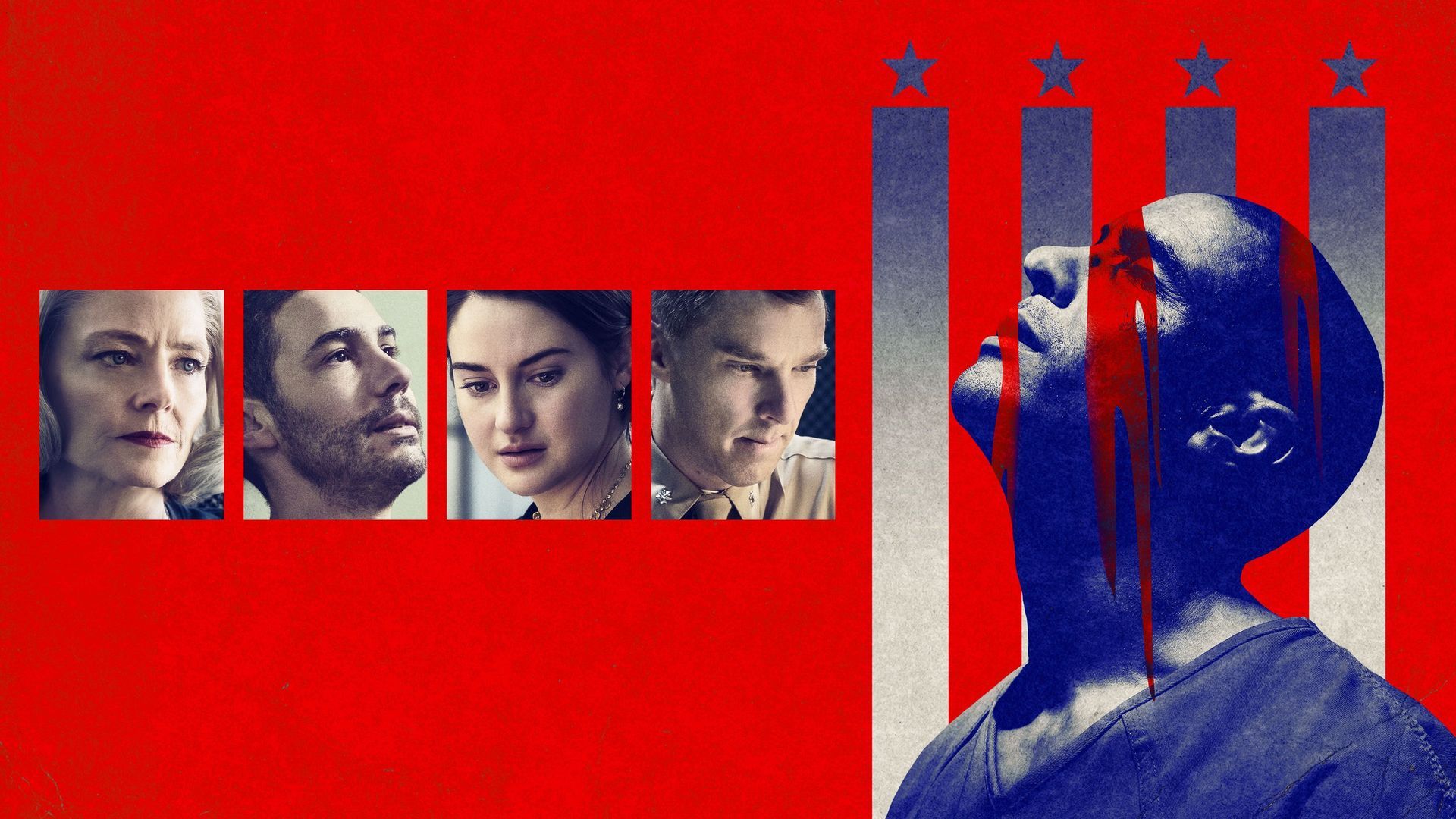








- The Mauritanian
 (CASTELLANO) The Mauritanian me ha interesado especialmente porque cuenta una historia real y, además, una injusticia difícil de asumir. Lo que más impresiona de The Mauritanian es que no necesita cargar las tintas. La historia real ya es indignante: Mohamedou Ould Slahi pasó años encerrado en Guantánamo sin que nadie llegara a acusarlo formalmente de nada. Lo detuvieron tras el 11-S por su supuesta relación con Al Qaeda y lo enviaron allí. Después fueron pasando los años, pero el juicio no llegaba, las pruebas tampoco y él seguía preso. Eso es lo verdaderamente terrible. Simplemente permaneció allí, encerrado en un lugar donde parecía que las leyes habituales ya no servían. La película funciona muy bien porque no convierte el caso únicamente en una sucesión de datos jurídicos. Detrás del expediente hay una persona que no sabe si volverá a ver a su familia, que intenta conservar la cordura y que incluso mantiene una sorprendente capacidad para comunicarse con quienes lo vigilan. Ahí está buena parte de su fuerza. Tahar Rahim está extraordinario. Es quien da alma a toda la historia. Transmite miedo, agotamiento, humor, inteligencia y una enorme dignidad sin presentar a Mohamedou como un mártir perfecto. Hay momentos en los que apenas necesita hablar: una mirada o una sonrisa fuera de lugar bastan para entender cómo intenta sobrevivir mentalmente a una situación insoportable. Jodie Foster también está magnífica como Nancy Hollander, la abogada que decide asumir su defensa. No interpreta a una heroína idealizada, sino a una profesional seca, inteligente y obstinada que comprende algo muy sencillo: defender los derechos de una persona no significa aprobar todo lo que haya hecho, sino exigir que el Estado demuestre sus acusaciones. Su personaje representa una idea fundamental que a veces parece olvidarse cuando aparece el miedo: la justicia solo sirve si también protege a quienes resultan incómodos, sospechosos o impopulares. Si las garantías desaparecen cuando más se necesitan, entonces dejan de ser garantías. Benedict Cumberbatch aporta otro de los aspectos más interesantes. Su personaje comienza convencido de que está participando en un proceso legítimo y de que el detenido debe pagar por lo que supuestamente ha hecho. Sin embargo, cuanto más estudia el caso, más difícil resulta ignorar la forma en que se obtuvieron las confesiones y la ausencia de pruebas fiables. Me gusta que la película no convierta todo en una lucha simple entre personas buenas y malas. Muchos de los implicados creen estar protegiendo a su país. El problema aparece cuando esa convicción se utiliza para justificar cualquier método, incluso aquellos que destruyen las mismas leyes y valores que se pretende defender. Las escenas de interrogatorio y tortura son duras. No buscan convertir el sufrimiento en espectáculo, pero tampoco lo suavizan. La película muestra cómo el aislamiento, la humillación, el miedo y la privación pueden utilizarse para quebrar a una persona hasta conseguir que diga lo que sus interrogadores necesitan escuchar, sea verdad o no. Puede que la narración sea bastante convencional y que algunos tramos jurídicos resulten más fríos que el resto. La película sigue un camino conocido: la investigación, los documentos ocultos, las dudas y el enfrentamiento contra un sistema cerrado. Pero en este caso la fórmula funciona porque lo ocurrido ya tiene suficiente fuerza por sí mismo. Además, existe una rabia contenida que nunca desaparece. Cuesta aceptar que algo así pudiera suceder bajo la protección de leyes diseñadas para evitar precisamente los abusos del poder. Y todavía cuesta más saber que no fue un error aislado, sino parte de un sistema. The Mauritanian habla de Guantánamo, pero también de lo fácil que resulta abandonar los principios cuando una sociedad tiene miedo. Habla de tortura, de prejuicios, de impunidad y de la necesidad de que alguien se atreva a preguntar dónde están las pruebas cuando todo el mundo ya ha decidido que un hombre es culpable. Es una película dura, bien interpretada y muy necesaria. Quizá su forma no sea especialmente original, pero la historia que cuenta produce indignación, tristeza y una profunda sensación de impotencia. Y precisamente por estar basada en hechos reales, resulta todavía más difícil olvidarla. (ENGLISH) The Mauritanian particularly interested me because it tells a true story and, above all, one involving an injustice that is difficult to comprehend. What is most striking is that the film does not need to overstate anything. The real story is already outrageous: Mohamedou Ould Slahi spent years imprisoned at Guantánamo without ever being formally charged with a crime. He was arrested after 9/11 because of his alleged links to Al Qaeda and sent there. The years passed, but there was no trial, no evidence presented in court, and he remained behind bars. That is what is truly horrifying. He was simply left in a place where the usual laws no longer seemed to apply. The film works very well because it does not turn the case into nothing more than a succession of legal facts. Behind the file is a man who does not know whether he will ever see his family again, who is trying to preserve his sanity and who somehow retains a remarkable ability to communicate with the people guarding him. Much of the film’s power lies there. Tahar Rahim is extraordinary. He gives the whole story its soul. He conveys fear, exhaustion, humour, intelligence and enormous dignity without presenting Mohamedou as a perfect martyr. There are moments when he barely needs to speak: a look or a strangely timed smile is enough to understand how he is trying to survive an unbearable situation. Jodie Foster is also magnificent as Nancy Hollander, the lawyer who agrees to defend him. She does not play an idealised heroine, but a dry, intelligent and stubborn professional who understands something very simple: defending someone’s rights does not mean approving of everything they may have done. It means demanding that the state prove its accusations. Her character represents a fundamental idea that is sometimes forgotten when fear takes over: justice only matters if it also protects those who are uncomfortable, suspicious or unpopular. If legal safeguards disappear when they are needed most, then they are no longer safeguards. Benedict Cumberbatch brings another of the film’s most interesting elements. His character begins convinced that he is taking part in a legitimate process and that the prisoner must pay for what he supposedly did. However, the more he studies the case, the harder it becomes to ignore how the confessions were obtained and the lack of reliable evidence. I like that the film does not reduce everything to a simple battle between good and bad people. Many of those involved believe they are protecting their country. The problem begins when that belief is used to justify any method, including those that destroy the very laws and values they claim to defend. The interrogation and torture scenes are harsh. They do not turn suffering into spectacle, but they do not soften it either. The film shows how isolation, humiliation, fear and deprivation can be used to break someone until they say whatever their interrogators need to hear, whether it is true or not. The storytelling may be fairly conventional, and some of the legal sections feel colder than the rest. The film follows a familiar path: the investigation, hidden documents, growing doubts and the struggle against a closed system. But here the formula works because what actually happened is powerful enough on its own. There is also a restrained anger that never disappears. It is difficult to accept that something like this could happen under laws supposedly designed to prevent abuses of power. It is even harder to know that this was not an isolated mistake, but part of a system. The Mauritanian is about Guantánamo, but also about how easily principles are abandoned when a society is afraid. It is about torture, prejudice, impunity and the need for someone to ask where the evidence is when everyone has already decided that a man is guilty. It is a harsh, well-acted and necessary film. Its form may not be especially original, but the story causes anger, sadness and a profound sense of helplessness. And precisely because it is based on real events, it is even harder to forget.The Mauritanian
 - Three Steps Above Heaven
 (CASTELLANO) Tres metros sobre el cielo me ha parecido un truño enorme. Una película mala, con personajes mal escritos, interpretaciones muy flojas y una historia que pretende vender como gran amor romántico una relación que, vista con un mínimo de distancia, resulta bastante preocupante. La película presenta a Hache como el chico irresistible: atractivo, rebelde, misterioso, herido por dentro y dispuesto a saltarse cualquier norma. El problema es que también es violento, agresivo, posesivo y completamente incapaz de controlar sus impulsos. En vez de plantear todo eso como una señal de peligro, la historia lo utiliza para construir la fantasía del hombre intenso al que una chica buena puede salvar con su amor. ¿En serio? No estamos hablando de un personaje complicado al que la película observe con honestidad. Estamos hablando de alguien que pega, amenaza, humilla y convierte cada conflicto en una demostración de fuerza. Y aun así, la puesta en escena insiste en presentarlo como una especie de ideal romántico. La moto, las carreras, la mirada desafiante, la música y el sufrimiento interior parecen suficientes para justificar cualquier comportamiento. Babi tampoco está demasiado bien construida. Se supone que es una joven protegida, educada y perteneciente a otro ambiente, pero el guion necesita que se sienta atraída por Hache casi desde el principio y nunca se preocupa demasiado por hacer creíble esa conexión. La relación avanza porque la película dice que debe avanzar, no porque los personajes compartan algo que podamos entender. Mario Casas está muy mal. Toda su interpretación parece basada en poner cara de enfadado, apretar la mandíbula, hablar como si cada frase fuera una amenaza y confiar en que la apariencia física haga el resto. No hay profundidad, ni vulnerabilidad real, ni matices. Solo pose. María Valverde tampoco consigue darle demasiada vida a Babi. La química entre ambos es muy pobre y las escenas románticas no transmiten esa pasión desbordante que la película intenta imponer. Se besan, discuten, corren bajo la lluvia y protagonizan momentos supuestamente intensos, pero todo parece prefabricado. El guion es una colección de tópicos adolescentes: la chica buena, el chico malo, los padres que no comprenden, los amigos fiesteros, las carreras ilegales, los celos, las peleas y la idea de que sufrir mucho convierte automáticamente una relación en algo profundo. Nada parece surgir de los personajes. Todo llega porque toca en ese momento. Además, la película confunde continuamente intensidad con amor. Que dos personas se griten, se hagan daño y vivan cada encuentro como si el mundo fuera a terminar no significa que exista una relación valiosa. Pero aquí cada comportamiento tóxico queda envuelto en música, primeros planos y frases solemnes para que parezca apasionado. Eso es lo peor de Tres metros sobre el cielo: no solo cuenta mal una historia romántica, sino que presenta como deseable una forma de relación basada en la violencia, los celos y la dependencia. Y lo hace pensando claramente en un público joven. La dirección tiene algo de energía en las carreras y en algunos momentos iniciales, pero pronto todo queda ahogado por la cursilería. Cuando la película intenta ponerse seria, resulta todavía peor. El drama se carga de tragedias, lágrimas y decisiones forzadas, como si acumular desgracias pudiera dar profundidad a unos personajes que nunca la tuvieron. También es larguísima para lo poco que cuenta. Una y otra vez repite la misma dinámica: Hache se enfada, Babi se aleja, vuelven a acercarse, ocurre otra barbaridad y la película insiste en que estamos viendo un amor extraordinario. No lo estamos viendo. Nos lo están gritando. Entiendo que pueda funcionar como fantasía adolescente y que mucha gente la recuerde con cariño por la edad en la que la vio. Pero eso no convierte la historia en buena ni a sus protagonistas en una pareja admirable. Tres metros sobre el cielo es cursi, torpe, vacía y bastante irresponsable en la forma en que romantiza la violencia. Mal guion, malos personajes y actores muy por debajo de lo que la historia necesitaba. Un truño de principio a fin. (ENGLISH) Three Steps Above Heaven is awful. It has badly written characters, weak performances and a story that tries to sell a deeply troubling relationship as a great romantic fantasy. Hache is introduced as the irresistible bad boy: handsome, rebellious, mysterious, emotionally wounded and willing to break every rule. The problem is that he is also violent, aggressive, possessive and completely unable to control himself. Instead of treating those qualities as warning signs, the film uses them to create the fantasy of an intense man who can be saved by the love of a good girl. Seriously? This is not a complex character examined with honesty. He hits people, threatens others, humiliates those around him and turns every conflict into a display of force. Yet the film keeps presenting him as some kind of romantic ideal. The motorcycle, the illegal races, the defiant expression and the sad inner life are apparently supposed to excuse everything. Babi is not much better written. She is meant to be protected, well behaved and from a completely different social world, but the screenplay needs her to be attracted to Hache almost immediately and never makes that attraction believable. Their relationship develops because the film says it must, not because the characters share anything meaningful. Mario Casas is extremely poor. His entire performance seems based on looking angry, tightening his jaw, speaking as though every sentence were a threat and trusting his physical appearance to do the rest. There is no depth, genuine vulnerability or emotional range. Only posing. María Valverde cannot bring much life to Babi either. The chemistry between them is weak, and the romantic scenes never communicate the overwhelming passion the film keeps insisting upon. They kiss, argue, run through the rain and perform supposedly intense moments, but everything feels manufactured. The screenplay is a collection of teenage clichés: the good girl, the dangerous boy, disapproving parents, wild friends, illegal racing, jealousy, fights and the idea that suffering automatically makes a relationship profound. Nothing grows naturally from the characters. Every event appears because the formula requires it. The film repeatedly confuses intensity with love. Two people shouting at each other, hurting one another and treating every encounter as the end of the world does not create a meaningful relationship. Here, however, every toxic behavior is wrapped in music, close-ups and solemn dialogue so that it can be mistaken for passion. That is the worst thing about Three Steps Above Heaven. It does not simply tell a bad romantic story. It presents a relationship based on violence, jealousy and dependency as something desirable, while clearly aiming at a young audience. The direction brings some energy to the races and the opening section, but everything is soon buried beneath sentimentality. When the film tries to become serious, it becomes even worse. Tragedy, tears and forced decisions are piled together as though misery could give depth to characters who never had any. It is also far too long for such a thin story. The same pattern repeats constantly: Hache gets angry, Babi walks away, they reunite, something terrible happens and the film insists that we are witnessing extraordinary love. We are not. We are simply being told that we are. I understand why it may work as an adolescent fantasy and why some viewers remember it fondly because of the age at which they saw it. That does not make the story good or the central couple admirable. Three Steps Above Heaven is clumsy, empty, sentimental and deeply irresponsible in the way it romanticizes violence. Bad screenplay, bad characters and performances that never rise above the material. Terrible from beginning to end.Three Steps Above Heaven
 - Guernica
 (CASTELLANO) Gernika se puede ver. Está bien ambientada, tiene una producción cuidada y cuenta con algunos momentos efectivos, especialmente cuando se acerca al miedo, la represión y la incertidumbre de quienes vivieron aquellos días. Pero también parece empeñada en contar una historia romántica que no termina de resultar creíble y que ocupa demasiado espacio dentro de una película sobre uno de los episodios más terribles de la Guerra Civil española. La historia utiliza personajes ficticios para acercarse al bombardeo de Gernika. En el centro se encuentra Henry, un periodista extranjero que ha perdido parte de su entusiasmo por el oficio y que comienza una relación con Teresa, una responsable de la censura republicana. Alrededor de ellos aparecen corresponsales, militares, propaganda, secretos y una guerra que se aproxima mientras todos intentan seguir viviendo como si aún existiera cierta normalidad. El problema es que la relación entre Henry y Teresa me ha parecido bastante floja. La película necesita que creamos rápidamente en una conexión muy fuerte entre ellos, pero esa conexión casi nunca aparece en pantalla. Se miran, hablan, se acercan y el guion da por hecho que existe una gran pasión, aunque cuesta sentirla. James D’Arcy cumple, pero su personaje tampoco ayuda demasiado. Henry responde al modelo del periodista desencantado que recupera sus ideales cuando encuentra una causa y una mujer por las que luchar. No está mal interpretado, pero resulta demasiado conocido y previsible. María Valverde está mejor en los momentos dramáticos, especialmente cuando Teresa deja de ser únicamente el centro de la historia romántica y se enfrenta directamente a la violencia y la represión. En esas escenas transmite miedo y vulnerabilidad con bastante más verdad. El problema es que buena parte del guion la obliga a permanecer dentro de una relación sentimental poco convincente. La película mejora cuando se aparta del romance. Todo lo relacionado con los periodistas extranjeros, la censura, la propaganda y la manera en que cada bando intenta controlar la verdad resulta bastante más interesante. También funciona la idea de mostrar cómo una tragedia histórica puede quedar distorsionada por quienes necesitan convertirla en otra cosa. Visualmente está cuidada. El vestuario, los decorados y la fotografía consiguen recrear bien la época, y hay escenas que transmiten la amenaza que se cierne sobre los personajes. Se nota que existe una producción importante detrás y que la intención era realizar una película histórica accesible para un público internacional. Sin embargo, muchas veces todo resulta demasiado limpio y ordenado. La guerra, el miedo y la tensión aparecen, pero la película no siempre consigue que se sientan de verdad. Parece más interesada en construir una imagen bonita y reconocible del pasado que en mostrar toda su suciedad, su confusión y su brutalidad. El bombardeo es el momento que debería dar pleno sentido a todo lo anterior. Está rodado con eficacia y contiene imágenes duras, pero llega después de tanto tiempo dedicado al romance que su impacto queda parcialmente reducido. La película muestra la tragedia, aunque no termina de penetrar realmente en ella. También me ha costado creerme algunos personajes y situaciones. Sabemos que el contexto histórico es real, pero la historia inventada alrededor de él tiene demasiados elementos melodramáticos. En vez de acercarnos a lo ocurrido, en ocasiones parece alejarnos porque somos demasiado conscientes de estar viendo una ficción construida para emocionar. La música tampoco ayuda siempre. En ciertos momentos subraya demasiado lo que ya estamos viendo y refuerza esa sensación de melodrama. La película intenta ser elegante y emocional, pero algunas decisiones terminan haciendo que todo parezca menos natural. Gernika tiene buenas intenciones y una factura técnica bastante sólida. Además, resulta importante que el cine recuerde lo ocurrido y lo acerque a personas que quizá no conozcan la historia. Pero una tragedia así merecía personajes más creíbles, una mirada más profunda y una relación amorosa con mucha más fuerza. Se puede ver y tiene escenas logradas, pero la fachada acaba siendo mejor que lo que hay dentro. El verdadero drama estaba en Gernika; la película se empeña demasiado en buscarlo en una historia de amor que nunca termina de funcionar. (ENGLISH) Guernica is watchable. It is carefully designed, has strong production values and contains some effective moments, especially when it approaches the fear, repression and uncertainty experienced by the people living through those days. However, it is also determined to tell a romantic story that never feels convincing and occupies too much space in a film about one of the most terrible episodes of the Spanish Civil War. The film uses fictional characters to approach the bombing of Guernica. At its center is Henry, a foreign journalist who has lost much of his enthusiasm for his profession and begins a relationship with Teresa, an official working for the Republican censorship office. Around them are correspondents, soldiers, propaganda, secrets and a war moving closer while everyone tries to behave as if normal life still exists. The main problem is that the relationship between Henry and Teresa feels weak. The film needs us to believe very quickly in a powerful connection between them, but that connection rarely appears on screen. They look at each other, talk and gradually become closer, while the screenplay simply assumes that a great passion exists. James D’Arcy is competent, although his character does not help very much. Henry follows the familiar model of the disillusioned journalist who recovers his ideals after finding a cause and a woman worth fighting for. The performance is fine, but the character remains predictable. María Valverde is better in the more dramatic moments, particularly when Teresa stops being merely part of the romantic plot and directly faces violence and repression. In those scenes, she conveys fear and vulnerability with considerably more truth. Unfortunately, much of the screenplay keeps her trapped inside an unconvincing relationship. The film improves whenever it moves away from the romance. The material involving foreign journalists, censorship, propaganda and the efforts of both sides to control the truth is far more interesting. The idea of showing how a historical tragedy can be distorted by those who need to transform it into something else also works well. Visually, the film is polished. The costumes, sets and cinematography recreate the period effectively, and several scenes communicate the threat closing in around the characters. There is clearly a substantial production behind the film, with the intention of creating an accessible historical drama for an international audience. Yet everything often feels too clean and carefully arranged. War, fear and tension are present, but they are not always genuinely felt. The film seems more interested in creating an attractive and recognizable image of the past than in showing its confusion, dirt and brutality. The bombing should give full meaning to everything that came before. It is staged effectively and includes some harsh images, but it arrives after so much time has been devoted to the romance that its impact is partially weakened. The film depicts the tragedy without truly reaching its emotional center. I also found several characters and situations difficult to believe. The historical context is real, but the fictional story constructed around it relies too heavily on melodrama. Rather than bringing us closer to what happened, it occasionally pushes us away because we remain too aware that we are watching a story manufactured to produce emotion. The music does not always help. At times, it underlines the emotions too insistently and reinforces the melodramatic tone. The film wants to feel elegant and moving, but some of its choices make it seem less natural. Guernica has good intentions and solid technical qualities. It is also important for cinema to remember what happened and introduce the story to people who may not know it. But such a tragedy deserved more believable characters, a deeper perspective and a far stronger love story. It is watchable and contains several successful scenes, but the surface is ultimately better than what lies underneath. The true drama was in Guernica; the film spends too much time trying to find it in a romance that never really works.Guernica
 - BEEF
 (CASTELLANO) La primera temporada de Bronca me ha gustado muchísimo. Todo empieza por una tontería al volante, una de esas situaciones que normalmente durarían unos segundos y acabarían con dos personas insultándose desde el coche. Aquí no. Danny y Amy deciden no dejarlo pasar y convierten un momento de rabia en una guerra personal cada vez más absurda, peligrosa y difícil de detener. Esa es la gran idea de la serie: coger algo aparentemente insignificante y mostrar cómo puede crecer cuando dos personas están llenas de frustración y solo necesitan una excusa para soltarla. En realidad, la pelea no empieza en la carretera. Danny y Amy ya llegan rotos a ese encuentro. Él está hundido, sin dinero, incapaz de conseguir que su vida avance y cargando con la responsabilidad de su familia. Ella parece haber triunfado, pero vive atrapada en un matrimonio que no funciona, un trabajo que la asfixia y una sensación constante de no poder ser ella misma. Lo mejor es que ninguno de los dos resulta completamente simpático. Los dos mienten, manipulan, se equivocan y toman decisiones cada vez peores. Hay momentos en los que entiendes a Danny y otros en los que resulta insoportable. Lo mismo ocurre con Amy. La serie no intenta decidir quién tiene razón, porque los dos están utilizando al otro para descargar todo lo que odian de sus propias vidas. Steven Yeun está espectacular. Danny es impulsivo, orgulloso, resentido y muy capaz de arruinar cualquier oportunidad que se le presente. Pero también hay algo triste en él. Siempre parece estar a un paso de conseguir salir adelante y, al mismo tiempo, es él mismo quien termina destruyéndolo todo. Yeun consigue que resulte divertido, patético, peligroso y dolorosamente humano. Ali Wong está igual de bien. Amy tiene dinero, una familia y una vida que desde fuera parece envidiable, pero está tan perdida como Danny. Su sonrisa profesional, su forma de intentar controlarlo todo y esa rabia que lleva años ocultando terminan siendo una bomba. Wong hace que sus cambios de humor, sus mentiras y sus impulsos más oscuros resulten creíbles sin convertirla en una caricatura. La serie va creciendo de una forma casi increíble. Cada capítulo complica un poco más la situación y, cuando parece que ya no puede llegar más lejos, vuelve a subir la apuesta. Lo curioso es que casi nunca pierde el control por completo. Puede pasar de una escena muy graciosa a otra bastante triste, después a algo violento o directamente inquietante, y aun así todo parece formar parte de la misma historia. También funciona porque debajo de la venganza hay mucho más. Habla del fracaso, de la presión familiar, del dinero, del matrimonio, de las expectativas y de esa sensación de estar viviendo una vida que no se parece a la que imaginabas. Danny y Amy son distintos, pero comparten una insatisfacción enorme. Por eso se odian tanto y, al mismo tiempo, se entienden mejor que casi nadie. Los personajes secundarios también están muy bien. Paul, George, Isaac y Naomi no son simples piezas alrededor de los protagonistas. Todos tienen sus propias debilidades y terminan arrastrados por una pelea que en principio no tenía nada que ver con ellos. A medida que la bronca crece, va destruyendo relaciones, negocios y familias. Visualmente también tiene mucha personalidad. Los títulos de los episodios, la música, el montaje y algunos momentos casi surrealistas ayudan a que no parezca otro drama de Netflix más. La banda sonora está especialmente bien elegida y acompaña perfectamente ese tono entre comedia negra, tragedia y locura. Es verdad que hay giros muy exagerados y situaciones que solo funcionan si aceptas que todo va a ir siempre a peor. Pero la serie se ha ganado ese derecho porque nunca deja de ser entretenida y porque los personajes están tan bien construidos que incluso sus decisiones más disparatadas parecen posibles. Bronca convierte un conflicto absurdo en algo enorme sin olvidarse de que, en el fondo, está hablando de dos personas que no saben qué hacer con su propia tristeza. Es divertida, violenta, angustiosa y muy original. Y lo mejor es que, detrás de toda esa rabia, termina encontrando algo parecido a la comprensión. Una primera temporada genial, de esas que empiezan con una anécdota ridícula y acaban hablando de casi todo. (ENGLISH) I loved the first season of Beef. Everything begins with a stupid road-rage incident, the kind of thing that would normally last a few seconds and end with two people shouting from their cars. Not here. Danny and Amy refuse to let it go, turning one moment of anger into a personal war that becomes increasingly absurd, dangerous and impossible to stop. That is the show’s great idea: taking something insignificant and showing how far it can grow when two frustrated people only need an excuse to release everything inside them. The conflict does not really begin on the road. Danny and Amy are already broken when they meet. He is struggling financially, unable to move forward and burdened by his family. She appears successful, but feels trapped inside her marriage, her work and a life in which she cannot fully be herself. Neither character is completely likeable. They lie, manipulate, make mistakes and keep choosing the worst possible option. Sometimes you understand Danny, and sometimes he becomes unbearable. The same is true of Amy. The series does not decide who is right because both are using the other person to express everything they hate about their own lives. Steven Yeun is outstanding. Danny is impulsive, proud, resentful and capable of destroying every opportunity he receives. But there is also something deeply sad about him. He always seems close to improving his life, only to ruin it himself. Yeun makes him funny, pathetic, dangerous and painfully human. Ali Wong is just as good. Amy has money, a family and a life that looks enviable from the outside, yet she is as lost as Danny. Her professional smile, her need to control everything and the anger she has hidden for years eventually explode. Wong makes Amy’s lies, mood changes and darkest impulses feel completely believable. The story grows in an almost unbelievable way. Every episode makes the situation worse, and whenever it seems impossible to go any further, it raises the stakes again. Yet the show rarely loses control. It can move from comedy to sadness, violence or genuine horror while still feeling like the same story. Beneath the revenge, the series is about failure, family pressure, money, marriage, expectations and the feeling of living a life that looks nothing like the one you imagined. Danny and Amy are very different, but they share the same deep dissatisfaction. That is why they hate each other so much and also understand each other better than almost anyone else. The supporting characters are excellent too. Paul, George, Isaac and Naomi all have their own weaknesses and are gradually dragged into a conflict that originally had nothing to do with them. As the feud grows, it damages relationships, businesses and families. The series also has a strong visual identity. The episode titles, music, editing and surreal touches help it feel different from a standard Netflix drama. The soundtrack is particularly effective, fitting the strange mixture of black comedy, tragedy and madness. Some twists are exaggerated, and the plot only works if you accept that every decision will make everything worse. But the show earns that freedom because it remains entertaining and because its characters are strong enough to make even their most ridiculous actions feel possible. Beef turns an absurd conflict into something enormous while never forgetting that it is really about two people who do not know what to do with their sadness. It is funny, violent, uncomfortable and highly original. Beneath all the anger, it eventually finds something close to understanding. A brilliant first season that begins with a ridiculous incident and ends up talking about almost everything.BEEF
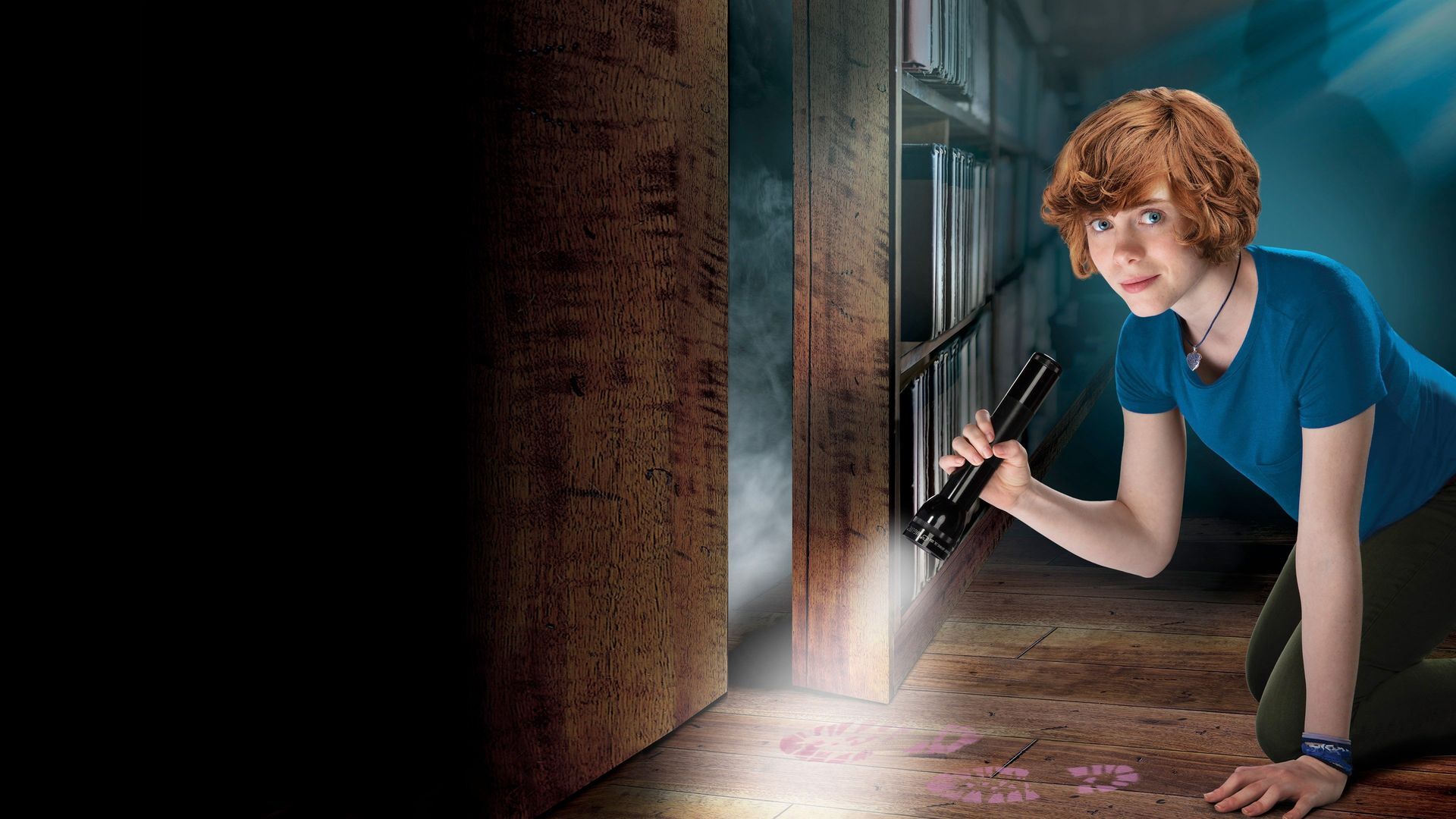
 - Nancy Drew and the Hidden Staircase
 (CASTELLANO) Nancy Drew y la escalera escondida es una película decente. Se puede ver, resulta simpática y tiene una protagonista con suficiente personalidad para mantenerla en pie. Pero también deja continuamente la sensación de que podía haber sido bastante mejor. Nancy es una adolescente muy lista y curiosa, pero también de esas personas que ven algo raro y no pueden dejarlo pasar. Cuando una anciana cuenta que en su casa ocurren cosas extrañas, en vez de asustarse o mirar hacia otro lado, Nancy decide averiguar qué está pasando. Los ruidos, las supuestas apariciones y todo lo que parece sobrenatural terminan llevándola hacia una explicación bastante más real. El punto de partida funciona y tiene el encanto de los misterios juveniles clásicos. Hay una casa antigua, habitaciones ocultas, amenazas, sospechosos y una protagonista que observa detalles que los demás pasan por alto. No hace falta mucho más para montar una aventura entretenida. Sophia Lillis es claramente lo mejor. Tiene frescura, carisma y una energía muy natural. Su Nancy es valiente, ingeniosa y algo impulsiva, pero no parece una adulta disfrazada de adolescente ni una niña perfecta que siempre tiene razón. Lillis consigue que el personaje resulte moderno sin perder del todo el espíritu de la detective original. También funcionan bien sus amigas y la dinámica entre ellas. La película acierta al no convertir a Nancy en una heroína completamente solitaria. El grupo aporta humor, cercanía y una sensación de aventura compartida que encaja bien con el público juvenil al que va dirigida. El problema está en el misterio. No es especialmente complicado, sorprendente ni inquietante. La película plantea una situación que podría haber dado mucho juego, pero la resuelve de una forma bastante sencilla. Las pistas no exigen demasiado del espectador y el desenlace se ve venir con bastante facilidad. Tampoco termina de aprovechar la atmósfera de la casa. Hay momentos que podían haber resultado misteriosos o incluso ligeramente inquietantes, pero la dirección suele elegir un tono demasiado ligero. Todo parece controlado, limpio y seguro, como si la película tuviera miedo de incomodar un poco a su público. El humor es agradable, aunque no siempre funciona. Algunas escenas tienen gracia por la personalidad de Nancy y por la química del grupo, mientras que otras parecen introducidas únicamente para hacer la película más moderna o más cercana a las redes sociales. La trama secundaria relacionada con la familia y la integración de Nancy en una nueva comunidad añade algo de fondo emocional. No está demasiado desarrollada, pero sirve para que la protagonista tenga algo más que resolver aparte del caso. Visualmente es una película correcta, sin demasiada personalidad. Tiene buen ritmo, dura lo necesario y nunca llega a aburrir, aunque tampoco hay ninguna escena especialmente memorable. Todo está realizado con eficacia, pero con poca ambición. Nancy Drew y la escalera escondida cumple como entretenimiento juvenil. Tiene una protagonista muy bien elegida, personajes agradables y un misterio fácil de seguir. No es mala y se ve con comodidad, pero le falta más intriga, más riesgo y algo de oscuridad. Decente, simpática y perfectamente olvidable. Podía haber sido mejor, pero tampoco resulta una pérdida de tiempo. (ENGLISH) Nancy Drew and the Hidden Staircase is a decent film. It is easy to watch, quite charming, and has a lead character with enough personality to keep it afloat. But it also constantly leaves you feeling that it could have been much better. Nancy is a very clever and curious teenager, but she is also one of those people who notice something strange and simply cannot let it go. When an elderly woman explains that unusual things are happening in her house, Nancy does not get scared or look the other way. She decides to find out what is going on. The noises, the supposed apparitions and everything that seems supernatural eventually lead her towards a much more realistic explanation. The basic premise works and has the charm of a classic mystery for younger audiences. There is an old house, hidden rooms, threats, suspects and a protagonist who notices details everyone else overlooks. You do not need much more to put together an entertaining adventure. Sophia Lillis is clearly the best part of the film. She brings freshness, charisma and a very natural energy. Her Nancy is brave, clever and slightly impulsive, but she never feels like an adult pretending to be a teenager or a perfect child who is always right. Lillis manages to make the character feel modern without completely losing the spirit of the original detective. Her friends also work well, as does the dynamic between them. The film makes the right decision by not turning Nancy into a completely solitary heroine. The group adds humour, warmth and a sense of shared adventure that suits the young audience the film is aimed at. The problem is the mystery itself. It is not especially complicated, surprising or unsettling. The film presents a situation that could have offered much more, but resolves it in a fairly simple way. The clues do not demand much from the viewer, and the outcome is quite easy to predict. The film also fails to make full use of the atmosphere of the house. There are moments that could have been mysterious or even slightly disturbing, but the direction usually chooses a tone that is too light. Everything feels controlled, clean and safe, as though the film were afraid of making its audience even slightly uncomfortable. The humour is pleasant, although it does not always work. Some scenes are amusing because of Nancy’s personality and the chemistry within the group, while others seem to have been included only to make the film feel more modern or closer to social media culture. The subplot involving Nancy’s family and her attempts to fit into a new community adds some emotional background. It is not developed very deeply, but it gives the protagonist something else to work through besides the case. Visually, it is a competent film without much personality. It moves at a good pace, lasts exactly as long as it needs to and never becomes boring, although there is not a single especially memorable scene. Everything is handled efficiently, but with very little ambition. Nancy Drew and the Hidden Staircase works well enough as entertainment for younger viewers. It has a very well-chosen lead, likeable characters and a mystery that is easy to follow. It is not bad and is pleasant to watch, but it needs more suspense, more risk and a little more darkness. Decent, charming and completely forgettable. It could have been better, but it is not a waste of time either.Nancy Drew and the Hidden Staircase
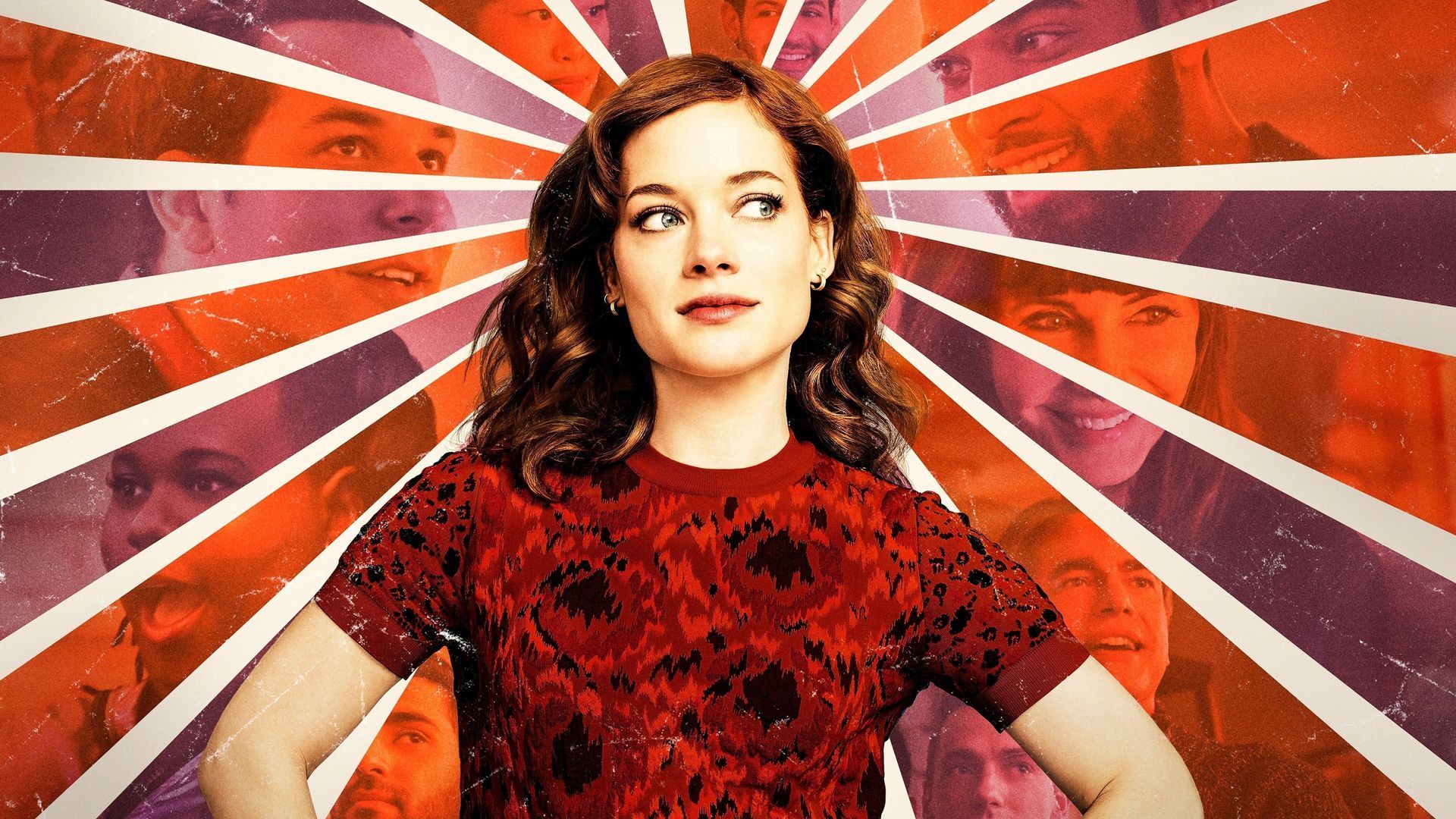
 - Zoey's Extraordinary Playlist
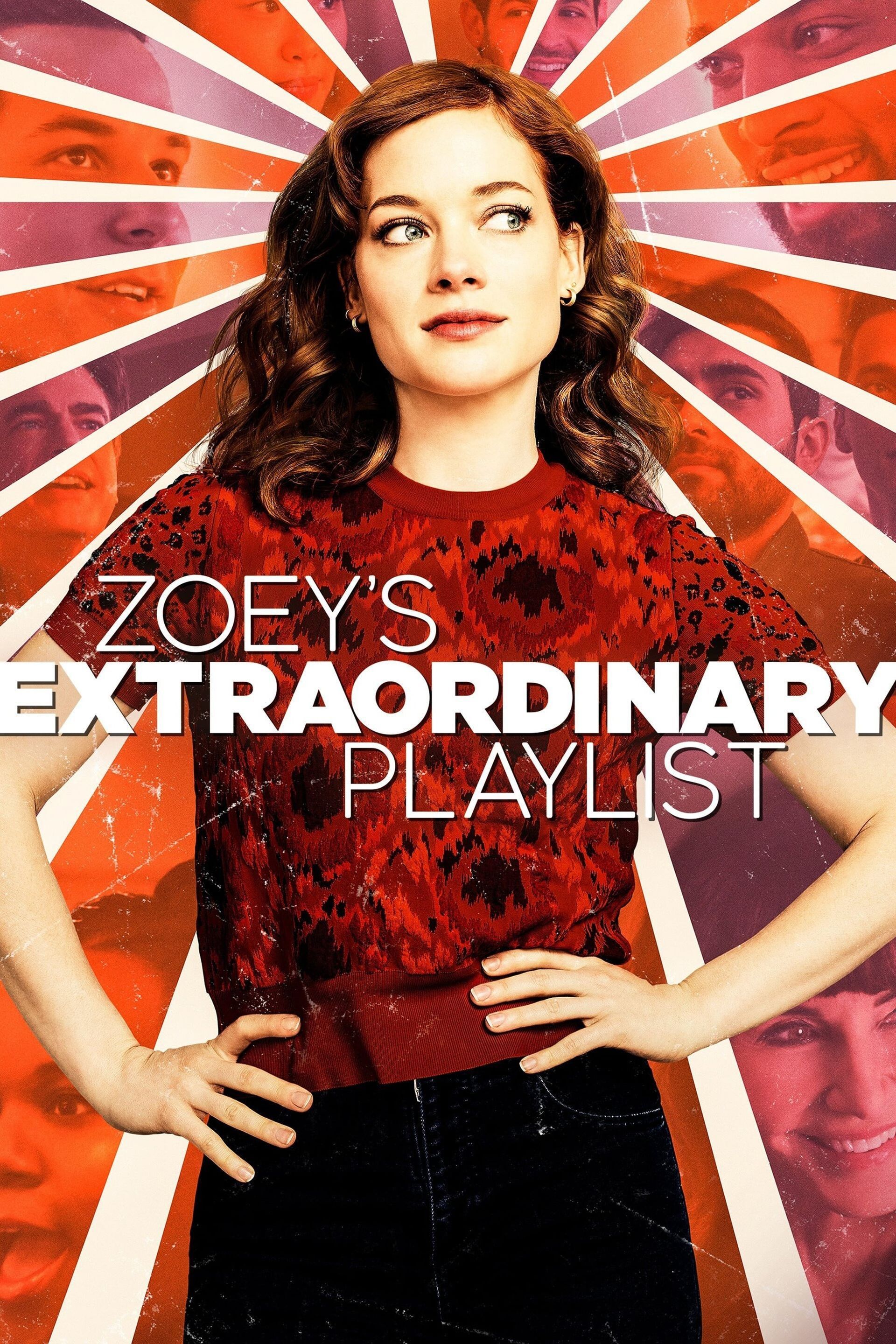 (CASTELLANO) La extraordinaria playlist de Zoey parte de una idea fantástica: después de un extraño accidente, Zoey empieza a escuchar los sentimientos más íntimos de la gente convertidos en canciones. No oye lo que dicen, sino lo que esconden. Sus miedos, deseos, inseguridades y secretos aparecen de repente en forma de números musicales que solo ella puede ver y escuchar. La premisa es muy original, aunque el desarrollo no siempre lo sea tanto. Al final, muchos episodios siguen una estructura bastante reconocible: Zoey escucha una canción, intenta averiguar qué le ocurre a esa persona y termina metiéndose en un problema emocional que no sabe manejar. Pero la serie funciona porque encuentra algo humano dentro de ese mecanismo y porque consigue que nos encariñemos con sus personajes casi desde el principio. Jane Levy está magnífica. Zoey podría haber resultado agotadora, pero ella le da humor, torpeza, vulnerabilidad y una expresividad enorme. Hay momentos en los que no necesita decir nada: basta con su cara mientras contempla uno de los números musicales para entender perfectamente lo que está sintiendo. Además, sostiene muy bien el equilibrio entre comedia, romance y drama familiar. La primera temporada es, con mucha diferencia, la mejor. La enfermedad del padre de Zoey le da a la serie una profundidad que va mucho más allá de su idea musical. Todo lo relacionado con él, con la familia y con la posibilidad de perder a alguien que todavía está presente convierte la historia en algo realmente emotivo. La serie habla del duelo antes de que la pérdida llegue, de todo lo que uno quiere decir y no sabe cómo, y de la impotencia de querer ayudar a alguien cuando ya no queda una solución. Peter Gallagher hace aquí uno de los mejores trabajos de su carrera. Su personaje apenas puede comunicarse de forma convencional, pero la serie encuentra en las canciones una manera preciosa de darle voz. Es un papel dificilísimo, porque debe transmitir ternura, miedo, humor y dolor con muy pocos recursos, y Gallagher lo hace de forma extraordinaria. Es imposible imaginar la primera temporada sin él. La relación entre Zoey y su padre es el verdadero corazón de la serie. Los números musicales pueden ser divertidos, espectaculares o románticos, pero son las escenas familiares las que le dan sentido a todo. Ahí es donde la premisa deja de ser una simple ocurrencia ingeniosa y se convierte en una herramienta para hablar de sentimientos que muchas veces no sabemos expresar. También es muy fácil enamorarse del resto de personajes. Max, Simon, Mo, Maggie y los compañeros de trabajo forman un grupo muy carismático. Algunos empiezan siendo bastante reconocibles, casi arquetipos, pero la serie les va dando humanidad. Mo, en especial, aporta energía, humor y emoción, y termina siendo mucho más que el vecino excéntrico que aconseja a Zoey. Los números musicales están muy bien integrados la mayor parte del tiempo. No siempre sorprenden por la elección de las canciones, pero sí por la forma en que se utilizan para revelar lo que los personajes sienten. Algunas versiones son alegres y otras devastadoras. La serie entiende que una canción conocida puede cambiar por completo cuando aparece en el momento emocional adecuado. El problema llega cuando intenta alargar una historia que quizá ya había encontrado su forma perfecta. La segunda temporada sigue teniendo momentos buenos, canciones estupendas y personajes a los que apetece volver a ver, pero pierde parte de la fuerza emocional de la primera. Sin el mismo eje familiar, la serie se dispersa más entre romances, conflictos laborales y nuevas complicaciones que no siempre tienen el mismo peso. No es que la segunda temporada sea mala. Sigue siendo agradable, divertida y emotiva, pero se nota que la idea original ya no tiene el mismo impulso. Algunas tramas se estiran demasiado, ciertos conflictos se repiten y la serie empieza a buscar nuevos caminos sin encontrar ninguno tan poderoso como el que tenía desde el principio. Este es otro ejemplo de cómo alargar una serie no siempre la mejora. A veces una historia tiene una duración natural, un centro emocional claro y un recorrido perfecto. Cuando intenta continuar más allá, corre el riesgo de alejarse de aquello que la hacía especial. La extraordinaria playlist de Zoey nunca llega a perder todo su encanto, pero sí parte de su fuerza. Aun así, es una serie muy recomendable. Original en su punto de partida, divertida, sensible y con un reparto que consigue que uno se enamore rápidamente de los personajes. Su primera temporada es preciosa y, gracias a Peter Gallagher y a todo lo que rodea al padre de Zoey, alcanza momentos de una emoción enorme. La segunda no está a la misma altura, pero tampoco borra lo bueno que vino antes. (ENGLISH) Zoey’s Extraordinary Playlist begins with a fantastic idea: after a strange accident, Zoey starts hearing people’s deepest feelings transformed into songs. She does not hear what they say, but what they hide. Their fears, desires, insecurities and secrets suddenly appear as musical numbers that only she can see and hear. The premise is highly original, even if the development is not always as inventive. Many episodes eventually follow a familiar structure: Zoey hears a song, tries to discover what is happening to that person and becomes involved in an emotional problem she does not know how to solve. But the series works because it finds something human inside that mechanism and because its characters become extremely easy to love. Jane Levy is wonderful. Zoey could have been exhausting, but Levy gives her humor, awkwardness, vulnerability and enormous expressiveness. Sometimes she does not need to say anything; her face while watching a musical number tells us exactly what she is feeling. She also handles the balance between comedy, romance and family drama extremely well. The first season is easily the strongest. Zoey’s father and his illness give the series a depth that goes far beyond its musical premise. Everything involving him, the family and the possibility of losing someone who is still physically present turns the story into something genuinely moving. The series explores grief before loss, all the things we want to say but cannot, and the helplessness of wanting to save someone when there is no solution left. Peter Gallagher gives one of the finest performances of his career. His character can barely communicate in a conventional way, but the songs give him a beautiful voice. It is an extremely difficult role because he must express tenderness, fear, humor and pain with very limited resources, and Gallagher is extraordinary. The first season would not be the same without him. The relationship between Zoey and her father is the true heart of the show. The musical numbers may be funny, spectacular or romantic, but the family scenes give everything meaning. That is where the premise stops being merely clever and becomes a way of expressing feelings that people often cannot put into words. The rest of the cast is also very easy to love. Max, Simon, Mo, Maggie and Zoey’s coworkers form a charismatic group. Some begin as recognizable archetypes, but the show gradually gives them more humanity. Mo, especially, brings humor, energy and emotion and becomes much more than Zoey’s eccentric neighbor and adviser. The musical numbers are usually integrated very well. The song choices are not always surprising, but the way they reveal the characters’ emotions often is. Some performances are joyful and others are devastating. The series understands how a familiar song can feel completely different when used at the right emotional moment. The problem appears when the show tries to extend a story that may already have found its perfect shape. The second season still has strong moments, excellent songs and characters worth revisiting, but it loses some of the emotional power of the first. Without the same family center, it becomes more scattered among romances, workplace conflicts and complications that do not carry the same weight. The second season is not bad. It remains pleasant, funny and emotional, but the original idea no longer has the same force. Some storylines go on too long, certain conflicts repeat themselves and the show searches for new directions without finding anything as powerful as what it had at the beginning. This is another example of how extending a series does not always improve it. Some stories have a natural length, a clear emotional center and a perfect journey. Continuing beyond that point can move them away from what made them special. Zoey’s Extraordinary Playlist never loses all its charm, but it does lose some of its strength. Even so, it is a very enjoyable series. Original in its premise, funny, sensitive and carried by a cast that makes the characters easy to love. Its first season is beautiful and, thanks to Peter Gallagher and everything involving Zoey’s father, reaches moments of enormous emotion. The second season is not on the same level, but it does not erase everything that worked so well before.Zoey's Extraordinary Playlist
 - Zoey's Extraordinary Playlist • Season 2(CASTELLANO) La extraordinaria playlist de Zoey parte de una idea fantástica: después de un extraño accidente, Zoey empieza a escuchar los sentimientos más íntimos de la gente convertidos en canciones. No oye lo que dicen, sino lo que esconden. Sus miedos, deseos, inseguridades y secretos aparecen de repente en forma de números musicales que solo ella puede ver y escuchar. La premisa es muy original, aunque el desarrollo no siempre lo sea tanto. Al final, muchos episodios siguen una estructura bastante reconocible: Zoey escucha una canción, intenta averiguar qué le ocurre a esa persona y termina metiéndose en un problema emocional que no sabe manejar. Pero la serie funciona porque encuentra algo humano dentro de ese mecanismo y porque consigue que nos encariñemos con sus personajes casi desde el principio. Jane Levy está magnífica. Zoey podría haber resultado agotadora, pero ella le da humor, torpeza, vulnerabilidad y una expresividad enorme. Hay momentos en los que no necesita decir nada: basta con su cara mientras contempla uno de los números musicales para entender perfectamente lo que está sintiendo. Además, sostiene muy bien el equilibrio entre comedia, romance y drama familiar. La primera temporada es, con mucha diferencia, la mejor. La enfermedad del padre de Zoey le da a la serie una profundidad que va mucho más allá de su idea musical. Todo lo relacionado con él, con la familia y con la posibilidad de perder a alguien que todavía está presente convierte la historia en algo realmente emotivo. La serie habla del duelo antes de que la pérdida llegue, de todo lo que uno quiere decir y no sabe cómo, y de la impotencia de querer ayudar a alguien cuando ya no queda una solución. Peter Gallagher hace aquí uno de los mejores trabajos de su carrera. Su personaje apenas puede comunicarse de forma convencional, pero la serie encuentra en las canciones una manera preciosa de darle voz. Es un papel dificilísimo, porque debe transmitir ternura, miedo, humor y dolor con muy pocos recursos, y Gallagher lo hace de forma extraordinaria. Es imposible imaginar la primera temporada sin él. La relación entre Zoey y su padre es el verdadero corazón de la serie. Los números musicales pueden ser divertidos, espectaculares o románticos, pero son las escenas familiares las que le dan sentido a todo. Ahí es donde la premisa deja de ser una simple ocurrencia ingeniosa y se convierte en una herramienta para hablar de sentimientos que muchas veces no sabemos expresar. También es muy fácil enamorarse del resto de personajes. Max, Simon, Mo, Maggie y los compañeros de trabajo forman un grupo muy carismático. Algunos empiezan siendo bastante reconocibles, casi arquetipos, pero la serie les va dando humanidad. Mo, en especial, aporta energía, humor y emoción, y termina siendo mucho más que el vecino excéntrico que aconseja a Zoey. Los números musicales están muy bien integrados la mayor parte del tiempo. No siempre sorprenden por la elección de las canciones, pero sí por la forma en que se utilizan para revelar lo que los personajes sienten. Algunas versiones son alegres y otras devastadoras. La serie entiende que una canción conocida puede cambiar por completo cuando aparece en el momento emocional adecuado. El problema llega cuando intenta alargar una historia que quizá ya había encontrado su forma perfecta. La segunda temporada sigue teniendo momentos buenos, canciones estupendas y personajes a los que apetece volver a ver, pero pierde parte de la fuerza emocional de la primera. Sin el mismo eje familiar, la serie se dispersa más entre romances, conflictos laborales y nuevas complicaciones que no siempre tienen el mismo peso. No es que la segunda temporada sea mala. Sigue siendo agradable, divertida y emotiva, pero se nota que la idea original ya no tiene el mismo impulso. Algunas tramas se estiran demasiado, ciertos conflictos se repiten y la serie empieza a buscar nuevos caminos sin encontrar ninguno tan poderoso como el que tenía desde el principio. Este es otro ejemplo de cómo alargar una serie no siempre la mejora. A veces una historia tiene una duración natural, un centro emocional claro y un recorrido perfecto. Cuando intenta continuar más allá, corre el riesgo de alejarse de aquello que la hacía especial. La extraordinaria playlist de Zoey nunca llega a perder todo su encanto, pero sí parte de su fuerza. Aun así, es una serie muy recomendable. Original en su punto de partida, divertida, sensible y con un reparto que consigue que uno se enamore rápidamente de los personajes. Su primera temporada es preciosa y, gracias a Peter Gallagher y a todo lo que rodea al padre de Zoey, alcanza momentos de una emoción enorme. La segunda no está a la misma altura, pero tampoco borra lo bueno que vino antes. (ENGLISH) Zoey’s Extraordinary Playlist begins with a fantastic idea: after a strange accident, Zoey starts hearing people’s deepest feelings transformed into songs. She does not hear what they say, but what they hide. Their fears, desires, insecurities and secrets suddenly appear as musical numbers that only she can see and hear. The premise is highly original, even if the development is not always as inventive. Many episodes eventually follow a familiar structure: Zoey hears a song, tries to discover what is happening to that person and becomes involved in an emotional problem she does not know how to solve. But the series works because it finds something human inside that mechanism and because its characters become extremely easy to love. Jane Levy is wonderful. Zoey could have been exhausting, but Levy gives her humor, awkwardness, vulnerability and enormous expressiveness. Sometimes she does not need to say anything; her face while watching a musical number tells us exactly what she is feeling. She also handles the balance between comedy, romance and family drama extremely well. The first season is easily the strongest. Zoey’s father and his illness give the series a depth that goes far beyond its musical premise. Everything involving him, the family and the possibility of losing someone who is still physically present turns the story into something genuinely moving. The series explores grief before loss, all the things we want to say but cannot, and the helplessness of wanting to save someone when there is no solution left. Peter Gallagher gives one of the finest performances of his career. His character can barely communicate in a conventional way, but the songs give him a beautiful voice. It is an extremely difficult role because he must express tenderness, fear, humor and pain with very limited resources, and Gallagher is extraordinary. The first season would not be the same without him. The relationship between Zoey and her father is the true heart of the show. The musical numbers may be funny, spectacular or romantic, but the family scenes give everything meaning. That is where the premise stops being merely clever and becomes a way of expressing feelings that people often cannot put into words. The rest of the cast is also very easy to love. Max, Simon, Mo, Maggie and Zoey’s coworkers form a charismatic group. Some begin as recognizable archetypes, but the show gradually gives them more humanity. Mo, especially, brings humor, energy and emotion and becomes much more than Zoey’s eccentric neighbor and adviser. The musical numbers are usually integrated very well. The song choices are not always surprising, but the way they reveal the characters’ emotions often is. Some performances are joyful and others are devastating. The series understands how a familiar song can feel completely different when used at the right emotional moment. The problem appears when the show tries to extend a story that may already have found its perfect shape. The second season still has strong moments, excellent songs and characters worth revisiting, but it loses some of the emotional power of the first. Without the same family center, it becomes more scattered among romances, workplace conflicts and complications that do not carry the same weight. The second season is not bad. It remains pleasant, funny and emotional, but the original idea no longer has the same force. Some storylines go on too long, certain conflicts repeat themselves and the show searches for new directions without finding anything as powerful as what it had at the beginning. This is another example of how extending a series does not always improve it. Some stories have a natural length, a clear emotional center and a perfect journey. Continuing beyond that point can move them away from what made them special. Zoey’s Extraordinary Playlist never loses all its charm, but it does lose some of its strength. Even so, it is a very enjoyable series. Original in its premise, funny, sensitive and carried by a cast that makes the characters easy to love. Its first season is beautiful and, thanks to Peter Gallagher and everything involving Zoey’s father, reaches moments of enormous emotion. The second season is not on the same level, but it does not erase everything that worked so well before.Zoey's Extraordinary Playlist • Season 2
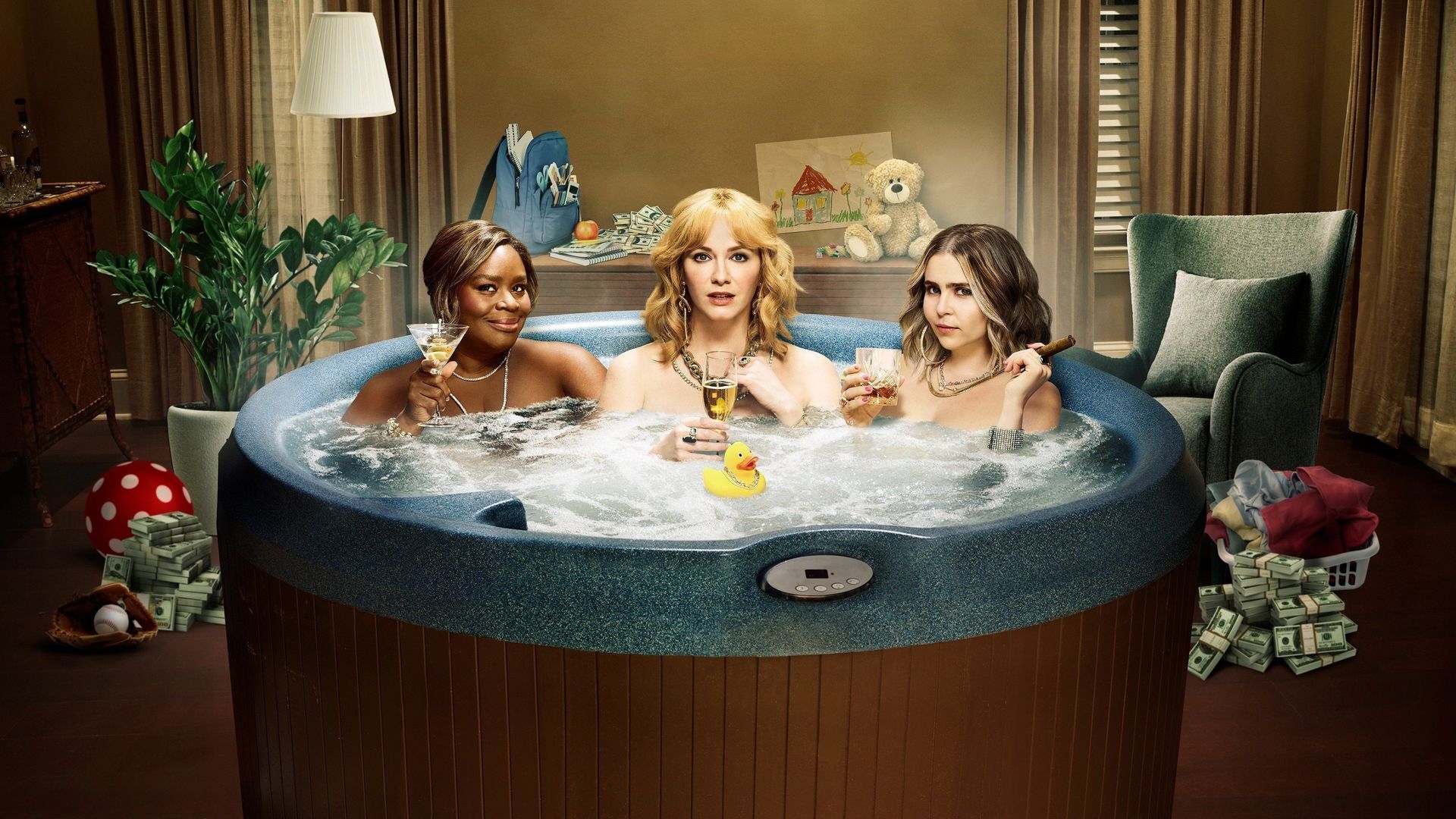
- Good Girls
 (CASTELLANO) Chicas buenas parte de una idea sencilla y muy efectiva: tres mujeres corrientes, agotadas de intentar llegar a fin de mes y resolver los problemas de todo el mundo, deciden atracar un supermercado. Lo que debía ser un golpe aislado termina arrastrándolas a un mundo criminal del que cada vez resulta más difícil escapar. La serie comienza de forma fantástica. Es divertida, ágil y ofrece una variación original sobre la historia de personas normales que cruzan una línea y descubren que ya no pueden volver atrás. En lugar del antihéroe masculino habitual, tenemos a tres madres de los suburbios que compaginan colegios, hipotecas, matrimonios desastrosos y niños enfermos con atracos, blanqueo de dinero y delincuentes peligrosos. Beth, Ruby y Annie no se convierten de repente en criminales expertas. Improvisan, se equivocan, entran en pánico y toman decisiones absurdas. La gracia inicial nace de verlas fuera de su ambiente, intentando sobrevivir a situaciones cada vez mayores. Cada solución provoca un problema nuevo y cada intento de abandonar el crimen solo consigue hundirlas un poco más. Christina Hendricks está estupenda como Beth. Al principio parece la más estable de las tres, pero poco a poco descubre una parte de sí misma oculta durante años. No entra en el mundo criminal únicamente por necesidad: también empieza a gustarle la sensación de control, poder y libertad que encuentra allí. Es el personaje más interesante porque nunca queda claro si desea recuperar su antigua vida. Retta aporta mucha humanidad como Ruby. Su necesidad de conseguir dinero para ayudar a su hija hace que sus decisiones sean fáciles de comprender, aunque no siempre sean sensatas. Es quien conserva con más fuerza el conflicto moral y la conciencia de que cada paso puede destruir aquello que intenta proteger. Mae Whitman convierte a Annie en el personaje más impulsivo y caótico. Muchas veces toma decisiones desesperantes, pero también aporta humor, energía y vulnerabilidad. Su inmadurez la mete continuamente en problemas, aunque Whitman consigue que entendamos la inseguridad que hay detrás de sus errores. La relación entre las tres es el corazón de la serie. Parecen amigas de verdad: se apoyan, discuten, se ocultan cosas y en ocasiones están a punto de destruirse mutuamente. La química entre Hendricks, Retta y Whitman mantiene viva la historia incluso cuando los guiones empiezan a repetirse. También funciona Rio, interpretado por Manny Montana. Su relación con Beth aporta tensión y una atracción evidente. Rio representa el mundo en el que Beth cree que puede entrar y salir cuando quiera, aunque él le recuerda que no es ella quien pone las reglas. El problema es que esta dinámica acaba repitiendo demasiadas veces las mismas amenazas, traiciones y acercamientos. Ese es el principal defecto de Chicas buenas: llega un momento en el que empieza a dar vueltas sobre sí misma. Las protagonistas intentan dejar el crimen, toman otra mala decisión, vuelven a necesitar a Rio, preparan un nuevo plan y terminan todavía más atrapadas. Al principio esta estructura resulta divertida porque cada desastre parece mayor que el anterior; con el tiempo se convierte en una fórmula de la que la propia serie no sabe escapar. También resulta frustrante que sigan cometiendo errores muy parecidos después de haber acumulado tanta experiencia. Es lógico que no se conviertan en delincuentes perfectas, porque perderían parte de su encanto, pero algunas decisiones parecen existir únicamente para prolongar la trama. En lugar de evolucionar, los personajes regresan constantemente a los mismos conflictos. La serie tampoco termina de decidir cuánto quiere tomarse en serio su propia historia. A veces funciona como una comedia negra ligera y disparatada; en otros momentos quiere convertirse en un drama criminal con violencia, consecuencias y dilemas morales. Esa mezcla forma parte de su personalidad, pero no siempre está bien equilibrada. Algunos acontecimientos parecen gravísimos durante un episodio y después casi desaparecen. A pesar de todo, Chicas buenas nunca se convierte en una mala serie. Las tres protagonistas siguen estando estupendas, los diálogos conservan agilidad y siempre queda algo de aquella energía inicial que la hacía tan fácil de ver. Incluso en sus tramos más repetitivos mantiene momentos divertidos. La pena es que tenía una base magnífica. Su comienzo era fresco, original y muy entretenido: tres mujeres cansadas de vivir bajo las decisiones de otros que encuentran en el crimen una forma inesperada de poder y autonomía. Pero, en lugar de desarrollar esa idea, la serie termina perdiéndose entre planes cada vez más enrevesados, amenazas repetidas y personajes condenados a cometer siempre los mismos errores. Chicas buenas sigue siendo graciosa, entretenida y bastante original, sobre todo durante sus primeras temporadas. Sus protagonistas tienen carisma de sobra para sostenerla, pero acaba alejándose de aquello que la hacía especial. Con una dirección narrativa más clara podría haber sido una serie muchísimo mejor. (ENGLISH) Good Girls begins with a simple but highly effective idea: three ordinary women, exhausted from trying to make ends meet and solve everyone else’s problems, decide to rob a supermarket. What should have been a one-time job drags them into a criminal world that becomes increasingly difficult to escape. The series gets off to a fantastic start. It is funny, fast-paced and offers a fresh variation on the familiar story of ordinary people crossing a line and discovering they cannot go back. Instead of the usual male antihero, we have three suburban mothers balancing schools, mortgages, disastrous marriages and sick children with robbery, money laundering and dangerous criminals. Beth, Ruby and Annie do not suddenly become expert criminals. They improvise, make mistakes, panic and take absurd decisions. Much of the early humor comes from watching them out of their depth, trying to survive increasingly dangerous situations. Each solution creates a new problem, and every attempt to leave crime behind only pulls them deeper into it. Christina Hendricks is excellent as Beth. At first she seems the most stable of the three, but she gradually discovers a side of herself that had been hidden for years. She does not enter the criminal world only out of necessity; she also begins to enjoy the control, power and freedom she finds there. Beth is the most interesting character because it is never clear whether she wants her old life back. Retta brings great humanity to Ruby. Her need to find money to help her daughter makes her decisions easy to understand, even when they are unwise. She retains the strongest moral conflict and the clearest awareness that every action could destroy what she is trying to protect. Mae Whitman makes Annie the most impulsive and chaotic member of the group. She often makes frustrating choices, but she also brings humor, energy and vulnerability. Her immaturity repeatedly gets her into trouble, although Whitman helps us understand the insecurity behind her mistakes. The friendship between the three women is the heart of the series. They feel like real friends: they support each other, argue, hide things and sometimes come close to destroying their relationship. The chemistry between Hendricks, Retta and Whitman keeps the show alive even when the writing begins to repeat itself. Rio, played by Manny Montana, also works well. His relationship with Beth brings tension and obvious attraction. Rio represents the world Beth believes she can enter and leave whenever she chooses, although he reminds her that she does not make the rules. The problem is that this dynamic eventually repeats the same threats, betrayals and reconciliations too many times. That is the main weakness of Good Girls: eventually, it begins circling around itself. The women try to leave crime, make another terrible decision, need Rio again, create a new plan and end up even more trapped. At first, this structure is entertaining because each disaster seems bigger than the last. Over time, however, it becomes a formula that the series itself does not know how to escape. It is also frustrating that the main characters continue making very similar mistakes after gaining so much experience. It makes sense that they never become perfect criminals, because they would lose part of their charm, but some decisions seem to exist only to keep the story going. Instead of genuinely evolving, the characters repeatedly return to the same conflicts. The series never fully decides how seriously it wants us to take its crime story. Sometimes it works as a light and outrageous black comedy; at other times, it wants to become a serious crime drama involving violence, consequences and moral dilemmas. That mixture is part of its personality, but it is not always well balanced. Some developments seem extremely serious for one episode and then nearly disappear. Despite this, Good Girls never becomes a bad series. Its three leads remain excellent, the dialogue keeps plenty of energy and some of the original spirit that made the show so easy to watch is always present. Even during its most repetitive stretches, it still offers funny moments. The unfortunate thing is that it had a brilliant foundation. Its beginning was fresh, original and highly entertaining: three women tired of living according to other people’s decisions who find an unexpected form of power and independence through crime. But instead of allowing that idea to evolve, the series becomes lost in increasingly complicated plans, repeated threats and characters condemned to make the same mistakes. Good Girls remains funny, entertaining and fairly original, particularly in its early seasons. Its three leads have more than enough charisma to carry it, but the show eventually moves away from what made it special. With clearer narrative direction, it could have become a much better series.Good Girls
 - 17 Again
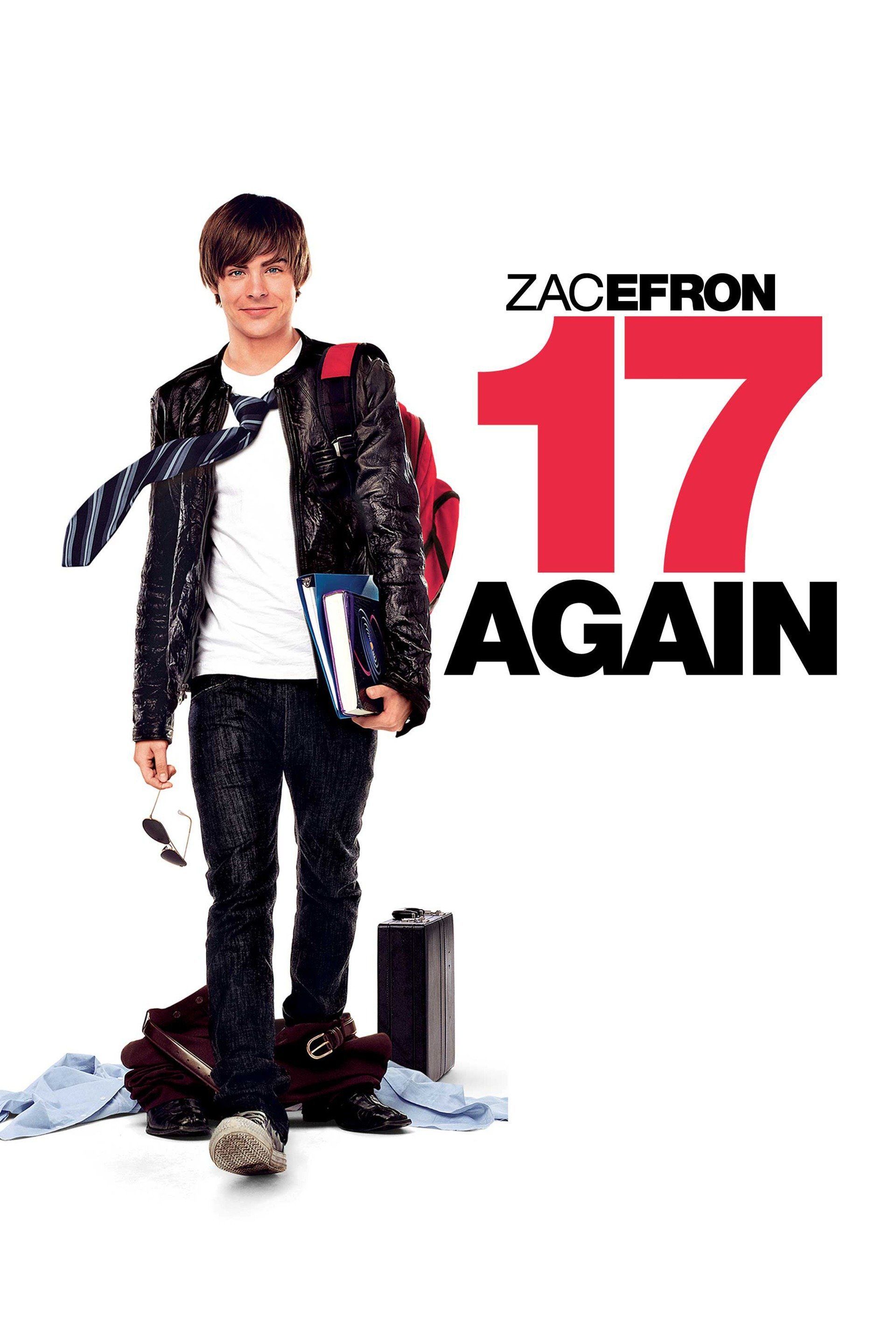 (CASTELLANO) Tenía que ver 17 otra vez porque sale Matthew Perry, el inolvidable Chandler de Friends. Ese era, sinceramente, mi principal motivo para acercarme a ella. Luego la película hace exactamente lo que uno espera de una comedia sobre un adulto que vuelve a ser adolescente: arrepentimientos, segunda oportunidad, instituto, líos familiares y la inevitable lección sobre valorar la vida que ya tienes. Mike O’Donnell fue una promesa del baloncesto cuando tenía diecisiete años, pero renunció a ese futuro para formar una familia. Veinte años después, su matrimonio se está rompiendo, sus hijos apenas le soportan y él está convencido de que tomó todas las decisiones equivocadas. De algún modo vuelve a tener diecisiete años y aprovecha la oportunidad para regresar al instituto, acercarse a sus hijos y descubrir que quizá su problema no era la vida que eligió, sino haber pasado demasiado tiempo culpando a los demás por ella. La premisa es tan conocida que la película prácticamente se escribe sola. Hemos visto historias parecidas muchas veces: adultos convertidos en niños, adolescentes atrapados en cuerpos mayores, intercambios de identidad y personajes obligados a observar su propia vida desde fuera. Aquí no hay ninguna sorpresa importante ni una manera especialmente original de aprovechar la idea. Desde muy pronto se sabe qué va a ocurrir, qué aprenderá el protagonista y cómo terminará casi todo. Eso no significa que sea insoportable. Tiene algunas gracietas, un tono ligero y varios momentos suficientemente simpáticos para que el tiempo pase sin demasiado sufrimiento. Zac Efron tiene carisma y se maneja bien en la comedia física y en las escenas de instituto, aunque cuesta creer de verdad que dentro de él haya un hombre adulto con matrimonio, hijos y veinte años de frustraciones. Funciona mejor como adolescente encantador que como adulto atrapado en un cuerpo joven. Matthew Perry aparece menos de lo que me habría gustado. Su versión adulta de Mike tiene ese cansancio sarcástico y esa forma de reaccionar que inevitablemente recuerdan a Chandler, aunque aquí el personaje no le da demasiado margen para lucirse. Es una pena, porque Perry tenía una capacidad cómica enorme y habría sido interesante que la película aprovechara más su presencia en lugar de utilizarlo principalmente para poner en marcha la historia y recuperarlo en momentos puntuales. Thomas Lennon, como Ned, es probablemente quien consigue los momentos más divertidos. Su personaje es una acumulación de rarezas, fantasías frikis y comportamientos exagerados, pero al menos introduce una energía más imprevisible. Su relación con la directora del instituto da lugar a algunas de las escenas más absurdas y también más memorables de una película que, por lo general, avanza por caminos demasiado seguros. La parte familiar es donde intenta encontrar algo de emoción. Mike descubre que sus hijos tienen problemas que él no había sabido ver y que su esposa no es simplemente la persona que está destruyendo su matrimonio. La película quiere hablar de la nostalgia, de la frustración de hacerse mayor y de esa tendencia tan humana a imaginar que nuestra vida habría sido perfecta si hubiéramos tomado otra decisión. Son ideas interesantes, pero están tratadas de una forma bastante superficial y previsible. También hay situaciones un poco incómodas derivadas de que un hombre adulto parezca un adolescente y se relacione con su propia familia desde esa nueva apariencia. La película intenta convertirlas en humor y evitar cualquier lectura demasiado extraña, pero no siempre lo consigue. Hay escenas que, pensadas durante más de unos segundos, resultan bastante más raras de lo que la comedia parece admitir. Burr Steers dirige con corrección, sin aportar una personalidad especial. Todo tiene el aspecto de una comedia juvenil de finales de los años 2000: música energética, instituto lleno de estereotipos, romance, baloncesto, baile y un reparto atractivo. No está especialmente mal hecha, pero tampoco hay una sola imagen, decisión o escena que la distinga de decenas de películas parecidas. 17 otra vez tiene algunas gracias y se deja ver. Zac Efron cumple, Thomas Lennon anima bastante la función y Matthew Perry siempre resulta agradable de encontrar, aunque su participación sea menor de lo que uno podría esperar. Pero la historia está demasiado vista, no ofrece ninguna sorpresa y desaparece de la memoria casi en cuanto termina. No es una película terrible. Simplemente es una de esas comedias que pueden acompañar una tarde sin exigir nada, pero que tampoco justifican especialmente el tiempo dedicado. Se puede ver, sí, aunque no es necesario hacerlo. (ENGLISH) I had to watch 17 Again because Matthew Perry is in it, the unforgettable Chandler from Friends. Honestly, that was my main reason for approaching the film. After that, it does exactly what you would expect from a comedy about an adult becoming a teenager again: regrets, a second chance, high school, family problems and the inevitable lesson about appreciating the life you already have. Mike O’Donnell was a promising basketball player when he was seventeen, but he gave up that future to start a family. Twenty years later, his marriage is falling apart, his children can barely stand him and he is convinced that he made all the wrong decisions. Somehow, he becomes seventeen again and uses the opportunity to return to high school, get closer to his children and discover that perhaps his real problem was not the life he chose, but the years he spent blaming everyone else for it. The premise is so familiar that the film practically writes itself. We have seen similar stories many times: adults turned into children, teenagers trapped in older bodies, identity swaps and characters forced to observe their own lives from the outside. There are no major surprises here, nor any especially original way of using the idea. Very early on, you know what will happen, what the main character will learn and how almost everything will end. That does not mean the film is unbearable. It has a few amusing moments, a light tone and enough pleasant scenes to make the running time pass without too much difficulty. Zac Efron has charisma and handles the physical comedy and high-school scenes well, although it is difficult to believe that there is really an adult man inside him, carrying a marriage, two children and twenty years of frustration. He works better as a charming teenager than as an adult trapped in a young body. Matthew Perry appears less than I would have liked. His adult version of Mike has that tired sarcasm and way of reacting that inevitably recalls Chandler, although the role does not give him much room to shine. It is a shame, because Perry had enormous comic ability, and it would have been interesting for the film to use him more instead of mainly relying on him to begin the story and return for a few moments. Thomas Lennon, as Ned, probably gets the funniest material. His character is a collection of eccentricities, geek fantasies and exaggerated behavior, but at least he brings a more unpredictable energy. His relationship with the school principal creates some of the most absurd and memorable scenes in a film that otherwise follows extremely safe paths. The family material is where the film tries to find some emotion. Mike discovers that his children have problems he had failed to notice and that his wife is not simply the person destroying their marriage. The film wants to talk about nostalgia, the frustration of getting older and the very human tendency to imagine that our lives would have been perfect if we had made one different decision. These are interesting ideas, but they are handled in a fairly superficial and predictable way. There are also some uncomfortable situations caused by an adult man looking like a teenager and interacting with his own family under that new appearance. The film tries to turn them into jokes and avoid any overly strange interpretation, but it does not always succeed. Some scenes become far more awkward when you think about them for more than a few seconds. Burr Steers directs competently without bringing any special personality to the film. Everything looks like a late-2000s teen comedy: energetic music, a high school full of stereotypes, romance, basketball, dancing and an attractive cast. It is not especially badly made, but there is not a single image, decision or sequence that distinguishes it from dozens of similar films. 17 Again has a few laughs and is easy enough to watch. Zac Efron does a decent job, Thomas Lennon brings some life to the story and Matthew Perry is always pleasant to see, even though his role is smaller than one might expect. But the story is far too familiar, offers no surprises and disappears from memory almost as soon as it ends. It is not a terrible film. It is simply one of those comedies that can fill an afternoon without demanding anything, but that does not particularly justify the time spent on it either. You can watch it, but you really do not need to.17 Again
 - The Fault in Our Stars
 (CASTELLANO) Bajo la misma estrella es muy bonita, muy triste y muy lacrimógena. Tampoco intenta esconderlo. Desde el principio sabes que has entrado en una historia de amor marcada por la enfermedad, que tarde o temprano va a apretar todos los botones necesarios para hacerte llorar. Y sí, lo hace. Pero también consigue algo que no siempre logran este tipo de películas: que sus personajes importen antes de empezar a sufrir por ellos. Hazel es una adolescente que vive pendiente de una bombona de oxígeno y de una enfermedad que ha reducido su mundo mucho antes de tiempo. En un grupo de apoyo conoce a Augustus, un chico seguro de sí mismo, divertido y algo teatral, que se niega a comportarse como si su vida se hubiera terminado. A partir de ahí nace una relación que tiene mucho de romance juvenil, pero también de miedo, humor, rabia y necesidad de aprovechar el tiempo que les queda. La historia podría haber caído fácilmente en el drama médico más tópico. Enfermos ejemplares, frases inspiradoras, música triste y una lección de vida cada cinco minutos. Algo de eso hay, por supuesto, pero la película funciona mejor cuando recuerda que Hazel y Augustus son adolescentes antes que símbolos. Se enamoran, se hacen los interesantes, se enfadan, dicen cosas demasiado solemnes y creen que su historia es el centro del universo. Como casi todos a esa edad. Shailene Woodley es la principal razón por la que la película no se hunde en el exceso. Está muy bien, sobre todo cuando no necesita grandes discursos. Le basta una mirada, una sonrisa pequeña o una forma de quedarse en silencio para transmitir cansancio, miedo y ganas de seguir viviendo. Hazel no aparece como una santa ni como una víctima perfecta, sino como una chica inteligente, irónica y bastante harta de que todo el mundo la mire con compasión. Ansel Elgort tiene un personaje más construido para gustar. Augustus es encantador, seguro, gracioso y siempre parece tener una frase preparada. En algunos momentos puede resultar demasiado perfecto o demasiado consciente de su propio carisma, pero la química entre los dos funciona. La relación es creíble porque, debajo de toda esa idealización romántica, hay dos jóvenes intentando fingir que controlan algo que en realidad les da muchísimo miedo. También ayuda que la película tenga humor. No todo son hospitales, lágrimas y discursos sobre la muerte. Hay conversaciones ligeras, bromas, pequeños momentos de felicidad y una naturalidad que hace que el golpe emocional llegue mejor cuando llega. La enfermedad está siempre presente, pero no ocupa absolutamente todo. Esa es una de las mayores virtudes de la historia: no trata a sus protagonistas únicamente como enfermos. Ahora bien, la película manipula. Muchísimo. Hay música entrando en el momento exacto, frases diseñadas para quedarse, silencios largos y escenas construidas con una precisión casi científica para ejercitar las glándulas lagrimales. A veces la emoción nace de verdad de los personajes; otras veces se nota demasiado la mano del guion empujando al espectador hacia el pañuelo. También hay momentos algo cursis y diálogos que ningún adolescente normal soltaría con tanta perfección. Hazel y Augustus hablan a veces como si llevaran toda la vida preparando frases para ser subrayadas en un libro. Pero, curiosamente, eso forma parte del encanto. La película no busca un realismo seco. Busca una versión romántica, literaria y algo idealizada del primer amor cuando el tiempo juega en contra. El viaje a Ámsterdam es quizá el momento donde mejor se mezclan todos sus elementos: la ilusión, el romance, la literatura, el desencanto y la sensación de estar viviendo algo irrepetible. La película se permite ser luminosa durante un rato, aunque nunca deje olvidar que la fragilidad está ahí. Esa combinación entre felicidad y amenaza es lo que hace que el romance tenga fuerza. No es una película sutil. Quien entre rechazando de antemano cualquier intento de manipulación emocional probablemente la encontrará insoportable. Pero para quienes acepten el juego, Bajo la misma estrella funciona. Porque, aunque sepamos que quiere hacernos llorar, los sentimientos que construye no parecen completamente falsos. Es una historia de amor juvenil bonita, triste y muy consciente de su efecto. No descubre nada nuevo sobre la enfermedad, el dolor o la pérdida, pero lo cuenta con cariño, con buenos actores y con personajes que se hacen querer. Puede ser cursi, puede ser excesiva y puede apretar demasiado el botón de la lágrima, pero cuesta permanecer completamente frío ante ella. (ENGLISH) The Fault in Our Stars is beautiful, sad and extremely sentimental. It does not try to hide it either. From the beginning, you know you have entered a love story shaped by illness, one that will eventually press every button necessary to make you cry. And yes, it does. But it also achieves something these films do not always manage: it makes its characters matter before asking us to suffer for them. Hazel is a teenager whose life revolves around an oxygen tank and an illness that has made her world much smaller far too soon. At a support group, she meets Augustus, a confident, funny and slightly theatrical boy who refuses to behave as if his life is already over. From there grows a relationship that is very much a young romance, but also a story about fear, humor, anger and the need to make use of whatever time they have left. The story could easily have fallen into the most predictable kind of medical drama: inspirational patients, sad music and a life lesson every five minutes. Some of that is certainly present, but the film works best when it remembers that Hazel and Augustus are teenagers before they are symbols. They fall in love, try to impress each other, argue, say things that are far too solemn and believe their story is the center of the universe. Like most people at that age. Shailene Woodley is the main reason the film does not collapse under the weight of its emotions. She is especially good when she does not need big speeches. A look, a small smile or the way she remains silent is enough to communicate exhaustion, fear and the desire to keep living. Hazel is not presented as a saint or a perfect victim, but as an intelligent, ironic girl who is tired of everyone looking at her with pity. Ansel Elgort has the more obviously charming role. Augustus is confident, funny and always seems to have the perfect line ready. At times, he can feel too idealized or too aware of his own charisma, but the chemistry between the two actors works. Their relationship feels believable because beneath all the romantic idealization are two young people pretending they have control over something that terrifies them. It also helps that the film has humor. It is not all hospitals, tears and speeches about death. There are light conversations, jokes, small moments of happiness and an easy naturalness that makes the emotional blows land harder. Illness is always present, but it does not occupy absolutely everything. That is one of the story’s greatest strengths: it does not treat its characters only as patients. That said, the film is manipulative. Very much so. Music arrives at exactly the right moment, lines are designed to be remembered, silences are extended and scenes are built with almost scientific precision to exercise the viewer’s tear ducts. Sometimes the emotion genuinely comes from the characters; at other times, you can clearly feel the screenplay pushing you toward the tissues. There are also sentimental moments and lines that no normal teenager would deliver with such perfection. Hazel and Augustus sometimes speak as if they have spent their entire lives preparing sentences to be underlined in a novel. Strangely enough, that is part of the charm. The film is not searching for dry realism. It wants a romantic, literary and slightly idealized version of first love when time is working against you. The trip to Amsterdam may be the point where all the film’s elements come together best: excitement, romance, literature, disappointment and the feeling of living through something unique. The film allows itself to be bright for a while, although it never lets us forget that fragility is always there. That mixture of happiness and threat is what gives the romance its strength. This is not a subtle film. Anyone who immediately rejects emotional manipulation will probably find it unbearable. But for viewers willing to accept the game, The Fault in Our Stars works. Even though we know it wants to make us cry, the emotions it creates do not feel entirely false. It is a beautiful, sad and very self-aware young love story. It says nothing especially new about illness, pain or loss, but it tells its story with warmth, strong performances and characters who are easy to care about. It can be sentimental, excessive and far too eager to press the tear button, but it is difficult to remain completely unmoved.The Fault in Our Stars
 - iZombie
 (CASTELLANO) iZombie es una serie que, de entrada, podía sonar a otra vuelta de tuerca innecesaria al género zombi. Después de tanta película, tanta serie y tanto apocalipsis de muertos vivientes, lo normal era pensar que ya quedaba poco que rascar. Pero la sorpresa es que iZombie encuentra una forma bastante simpática, ligera y entretenida de usar el concepto sin repetir exactamente lo mismo de siempre. La serie parte de una ocurrencia bastante divertida: Liv, que antes era médica y tenía una vida normal, acaba convertida en zombi y encuentra en la morgue la forma menos criminal de seguir adelante. Allí puede comer cerebros sin ir matando a nadie, y cada vez que lo hace hereda recuerdos y manías de la persona muerta. Con eso termina ayudando a la policía a resolver asesinatos, como si fuera una vidente, aunque en realidad lo que tiene es una dieta bastante complicada. Lo mejor es que la serie entiende muy pronto cuál es su tono. No intenta competir con The Walking Dead, ni busca ser una experiencia brutal de supervivencia como otras ficciones del género. iZombie va por otro lado: es más luminosa, más irónica, más procedimental y bastante más amable. Hay sangre, hay cerebros y hay momentos oscuros, pero el corazón de la serie está en sus personajes y en ese humor negro ligero que hace que todo resulte fácil de ver. Rose McIver es fundamental para que funcione. Liv podría haber sido un personaje cansino o demasiado forzado, pero ella le da simpatía, vulnerabilidad y mucha capacidad cómica. Además, el recurso de que cada cerebro le cambie temporalmente la personalidad permite jugar con registros distintos sin romper del todo la serie. A veces funciona mejor, otras peor, pero casi siempre aporta dinamismo. También ayuda mucho el reparto secundario. Ravi es uno de esos personajes que acaban ganándose la serie por pura simpatía, Clive funciona bien como contrapunto policial y Blaine, con David Anders, aporta una energía más cínica, peligrosa y divertida. La serie mejora cuando no se limita al caso de la semana y deja crecer ese pequeño universo de morgue, policía, zombis ocultos, cura posible y amenazas cada vez más grandes. El formato de caso semanal es, a la vez, virtud y límite. Por un lado, hace que la serie sea muy fácil de seguir y le da una estructura cómoda: muerto, cerebro, visiones, investigación y resolución. Por otro, también puede hacer que algunos episodios parezcan demasiado parecidos entre sí. Cuando iZombie se queda solo en “CSI con zombi simpática”, pierde algo de fuerza. Cuando mezcla eso con mitología propia, humor, personajes y conflicto moral, funciona mucho mejor. No es una serie perfecta. Tiene temporadas más inspiradas que otras, algunas tramas se alargan, ciertos giros son bastante televisivos y no siempre mantiene el mismo nivel de frescura. Pero tiene algo muy importante: cae bien. Es consciente de lo que es, no se pone solemne sin necesidad y consigue que una idea bastante absurda acabe pareciendo natural. iZombie está bien. Se puede ver con gusto, entretiene, tiene personajes carismáticos y aporta un soplo de aire fresco a un género que muchas veces se toma demasiado en serio. No es una gran obra zombi ni una serie imprescindible, pero sí una propuesta inteligente, simpática y con más encanto del que parece al principio. Una serie para dejarse llevar, disfrutar de sus cerebros del día y acabar encariñándose con Liv y su extraño mundo de muertos que siguen trabajando. (ENGLISH) iZombie is a series that, at first, could easily sound like another unnecessary twist on the zombie genre. After so many films, series and undead apocalypses, it was natural to think there was not much left to explore. But the surprise is that iZombie finds a fairly charming, light and entertaining way to use the concept without repeating exactly the same old thing. The series starts from a pretty funny idea: Liv used to be a doctor with a normal life, then she ends up becoming a zombie and finds in the morgue the least criminal way to keep going. There she can eat brains without killing anyone, and every time she does, she inherits memories and personality quirks from the dead person. That ends up helping her solve murders with the police, almost as if she were a psychic, although what she really has is a very complicated diet. The best thing is that the series understands its tone very quickly. It does not try to compete with The Walking Dead, nor does it aim to be a brutal survival experience like other entries in the genre. iZombie goes in another direction: brighter, more ironic, more procedural and much friendlier. There is blood, there are brains and there are dark moments, but the heart of the show lies in its characters and in that light black humor that makes everything easy to watch. Rose McIver is essential to making it work. Liv could have been annoying or too forced, but McIver gives her warmth, vulnerability and a lot of comic ability. The device of each brain temporarily changing her personality also allows the series to play with different registers without completely breaking its shape. Sometimes it works better, sometimes less so, but it almost always adds energy. The supporting cast helps a lot too. Ravi is one of those characters who gradually wins the show through sheer likeability, Clive works well as the police counterpoint, and Blaine, played by David Anders, brings a more cynical, dangerous and funny energy. The series improves when it does not limit itself to the case of the week and allows its small universe of morgue, police work, hidden zombies, possible cure and growing threats to expand. The weekly case format is both a strength and a limitation. On the one hand, it makes the series very easy to follow and gives it a comfortable structure: corpse, brain, visions, investigation and resolution. On the other, it can also make some episodes feel too similar. When iZombie becomes only “CSI with a friendly zombie,” it loses some strength. When it mixes that with its own mythology, humor, characters and moral conflict, it works much better. It is not a perfect series. Some seasons are stronger than others, certain plots go on too long, some twists are very television-like and it does not always maintain the same freshness. But it has something very important: it is easy to like. It knows what it is, it does not become solemn without reason, and it manages to make a fairly absurd idea feel natural. iZombie is good. It is easy to enjoy, entertaining, full of charismatic characters and brings a breath of fresh air to a genre that often takes itself too seriously. It is not a great zombie masterpiece or an essential series, but it is a smart, likeable show with more charm than it first appears. A series to go along with, enjoy its brain of the day and eventually grow fond of Liv and her strange world of dead people who still go to work.iZombie
 - Z Nation
 (CASTELLANO) Z Nation es una serie curiosa. En teoría pertenece al mismo universo que Black Summer, pero cuesta mucho creerlo cuando la ves. No tiene la misma intensidad, ni la misma crudeza, ni esa sensación de supervivencia desesperada que hacía que Black Summer pareciera casi una experiencia física. Aquí todo es más ligero, más de serie B, más gamberro, más irregular y bastante más cercano al entretenimiento pulp que al terror seco. La premisa tiene gancho: en pleno apocalipsis zombi, un grupo debe transportar a Murphy, un hombre que parece ser el único superviviente conocido de una mordedura, porque su sangre podría ser la clave para una cura. Es una idea sencilla, clara y eficaz. Además, le da a la serie una dirección muy concreta: no se trata solo de sobrevivir episodio a episodio, sino de cruzar un país destruido con una misión. Eso, bien llevado, podía haber dado una grandísima serie. Y ahí está precisamente lo frustrante. Z Nation tiene algo. Tiene mundo, tiene personajes reconocibles, tiene humor negro, tiene situaciones absurdas, tiene zombis de todo tipo y tiene una libertad que muchas series más “serias” no se permiten. A veces se nota que disfruta inventando locuras dentro del género: episodios disparatados, amenazas grotescas, soluciones exageradas, momentos que no buscan realismo sino pura diversión postapocalíptica. El problema es que esa libertad no siempre va acompañada de una dirección suficientemente fuerte. Hay momentos entretenidos, sí, pero también muchos otros donde parece que la serie se conforma con ser barata, caótica y funcional. La puesta en escena no siempre está a la altura de las ideas. La acción puede ser divertida, pero rara vez impresiona. El drama aparece y desaparece. Y el tono cambia tanto que a veces cuesta saber si quiere ser parodia, aventura, terror, comedia negra o western zombi. Compararla con Black Summer quizá sea injusto, pero es inevitable. Black Summer iba directa al nervio: persecuciones, miedo, silencio, caos, decisiones brutales, gente corriendo por su vida. Z Nation, en cambio, parece moverse en otro registro. Es más desenfadada, más televisiva, más cercana a la serie de culto de bajo presupuesto. Eso no la hace necesariamente peor, pero sí muy distinta. El problema es que, al saber que comparten universo, uno espera alguna conexión emocional o tonal que apenas se siente. El reparto tiene bastante culpa de que la serie funcione mejor de lo que debería. Roberta Warren, Murphy, Doc, 10K, Addy y Citizen Z acaban teniendo presencia. Algunos personajes empiezan como clichés, pero con el tiempo se vuelven parte del encanto de la serie. Especialmente Murphy, que introduce una ambigüedad interesante: no es exactamente héroe, ni villano puro, ni simple víctima. La serie mejora cuando entiende que sus personajes pueden ser más atractivos que sus tramas. También hay que reconocerle algo: Z Nation no va de prestigiosa. No intenta disfrazarse de gran drama televisivo. Asume su condición de producto de zombis con humor, sangre, exageración y capítulos raros. Esa falta de solemnidad es una virtud. Mientras otras series del género se vuelven pesadas intentando parecer importantes, esta acepta ser una aventura sucia, irregular y algo loca. Cuando esa energía funciona, la serie tiene encanto. Pero queda la sensación de oportunidad perdida. Con otra dirección, con más presupuesto, con una puesta en escena más intensa y una escritura menos dispersa, Z Nation podría haber sido una serie enorme dentro del género. Tenía una buena misión central, un mundo amplio, personajes con recorrido y un punto gamberro que podía diferenciarla muchísimo. En cambio, se queda en una serie que se puede ver, que entretiene a ratos y que tiene personalidad, pero que rara vez alcanza todo lo que prometía. Z Nation no tiene la fuerza de Black Summer, ni de lejos. Pero tampoco es una serie descartable. Es irregular, barata en muchos momentos y demasiado dispersa, pero tiene algo atractivo: una mezcla de serie B, aventura zombi, humor negro y personajes que, poco a poco, se hacen compañía. No es una gran serie, pero sí una que uno puede ver con cierta simpatía, pensando continuamente que dentro de ella había una versión muchísimo mejor. (ENGLISH) Z Nation is a curious series. In theory, it belongs to the same universe as Black Summer, but that is hard to believe when you watch it. It does not have the same intensity, the same rawness or that feeling of desperate survival that made Black Summer feel almost like a physical experience. Here, everything is lighter, more B-movie, more mischievous, more uneven and much closer to pulp entertainment than to dry horror. The premise has a hook: in the middle of a zombie apocalypse, a group must transport Murphy, a man who seems to be the only known survivor of a zombie bite, because his blood could be the key to a cure. It is a simple, clear and effective idea. It also gives the series a very concrete direction: it is not just about surviving episode by episode, but about crossing a destroyed country with a mission. Handled properly, that could have made a great series. And that is exactly what makes it frustrating. Z Nation has something. It has a world, recognizable characters, black humor, absurd situations, all kinds of zombies and a freedom that many more “serious” shows do not allow themselves. At times, you can feel that it enjoys inventing madness inside the genre: outrageous episodes, grotesque threats, exaggerated solutions and moments that do not aim for realism but for pure post-apocalyptic fun. The problem is that this freedom is not always matched by strong enough direction. There are entertaining moments, yes, but also many others where the series seems content with being cheap, chaotic and functional. The staging is not always up to the level of the ideas. The action can be fun, but rarely impressive. The drama appears and disappears. And the tone shifts so much that it is sometimes hard to know whether it wants to be parody, adventure, horror, black comedy or zombie western. Comparing it to Black Summer may be unfair, but it is inevitable. Black Summer went straight for the nerve: chases, fear, silence, chaos, brutal decisions and people running for their lives. Z Nation, by contrast, seems to exist in another register. It is more relaxed, more televisual, closer to a low-budget cult series. That does not necessarily make it worse, but it does make it very different. The problem is that, knowing they share a universe, you expect some emotional or tonal connection that is barely there. The cast is a big reason why the series works better than it probably should. Roberta Warren, Murphy, Doc, 10K, Addy and Citizen Z gradually gain presence. Some characters begin as clichés, but over time they become part of the show’s charm. Murphy especially introduces an interesting ambiguity: he is not exactly a hero, nor a pure villain, nor simply a victim. The series improves when it understands that its characters can be more appealing than its plots. It also deserves credit for one thing: Z Nation does not pretend to be prestige television. It does not try to disguise itself as a major dramatic statement. It accepts itself as a zombie show with humor, blood, exaggeration and strange episodes. That lack of solemnity is a virtue. While other shows in the genre become heavy by trying to seem important, this one accepts being a dirty, uneven and slightly crazy adventure. When that energy works, the series has charm. But there remains a feeling of missed opportunity. With different direction, more budget, more intense staging and less scattered writing, Z Nation could have been a huge series within the genre. It had a strong central mission, a broad world, characters with potential and a mischievous edge that could have set it apart. Instead, it remains a show that is watchable, entertaining at times and full of personality, but that rarely reaches everything it promised. Z Nation does not have the strength of Black Summer, not even close. But it is not a disposable series either. It is uneven, cheap-looking in many moments and too scattered, but it has something attractive: a mixture of B-movie spirit, zombie adventure, black humor and characters who gradually become good company. It is not a great series, but it is one you can watch with some affection, while constantly thinking that a much better version was hidden inside it.Z Nation
 - Exit Wounds
 (CASTELLANO) Herida abierta es un bodrio de acción construido casi exclusivamente para el lucimiento de Steven Seagal. Y lo peor no es solo que sea mala, sino que tiene ese tipo de mala calidad industrial que impresiona: la película parece convencida de que basta con poner a Seagal andando serio, pegando sin despeinarse y soltando frases de tipo duro para que todo funcione. Pero no funciona. Ni como thriller policial, ni como película de corrupción, ni como entretenimiento de acción mínimamente digno. La historia va de un policía de Detroit, Orin Boyd, que no respeta las normas, se mete donde no debe y acaba descubriendo una trama de corrupción dentro del propio cuerpo policial. Es el esquema más sobado posible: poli rebelde, jefes que lo castigan, compañeros sospechosos, narcotráfico, traiciones, persecuciones, tiroteos y un protagonista que siempre tiene razón aunque el guion haga piruetas para justificarlo. Todo suena a película de acción de manual, pero escrita con el piloto automático puesto. El problema principal es Steven Seagal. No tiene carisma suficiente para sostener la película, no transmite tensión, no transmite peligro real y sus escenas de acción están montadas para que parezca invencible sin exigirle demasiado. Todo gira a su alrededor, pero el centro está vacío. Viéndolo aquí, cuesta entender cómo pudo llegar a ocupar durante años un lugar tan visible dentro del cine de acción. Una cosa es tener presencia física y otra muy distinta ser una estrella capaz de dar vida a una película. Lo más desesperante es que Herida abierta ni siquiera es divertida de lo mala que es. Hay películas de acción absurdas que al menos tienen ritmo, exageración, encanto basura o una energía desvergonzada. Aquí casi todo resulta mecánico, feo, torpe y perezoso. La trama es simplona y confusa al mismo tiempo, los diálogos parecen escritos para rellenar huecos entre golpes y la corrupción policial funciona más como excusa para juntar escenas de violencia que como verdadero conflicto. DMX aporta algo más de presencia que Seagal, aunque tampoco puede hacer milagros. Anthony Anderson intenta meter humor, Tom Arnold aparece como alivio cómico y Michael Jai White tiene una presencia física que, sinceramente, habría merecido una película mucho mejor. Hay actores alrededor que podrían haber dado más juego, pero todo queda subordinado a la maquinaria Seagal, y esa maquinaria ya venía bastante oxidada. Andrzej Bartkowiak, que venía de la fotografía y sabía mover mejor la cámara que muchos directores de acción alimenticia, consigue que algunas escenas tengan un mínimo de empaque. Pero eso no salva el conjunto. Un par de tiroteos aceptables o una persecución medio decente no convierten esto en una buena película. Al contrario: hacen todavía más evidente que había medios, estreno en cines y cierta ambición comercial, pero el resultado sigue siendo un producto pobrísimo. Es increíble pensar que esto llegó a estrenarse en salas como si fuera un gran vehículo de acción. Hoy se entiende mejor como una reliquia de una época en la que todavía se intentaba vender a Seagal como héroe duro, imparable y cool, aunque la pantalla ya estuviera diciendo otra cosa. La película quiere ser contundente, urbana y musculosa, pero acaba siendo una sucesión de clichés sin gracia, violencia sin impacto y frases duras sin dureza real. Herida abierta es penosa, y casi en el siguiente nivel. Un thriller de acción rancio, mecánico y sin alma, hecho para que Steven Seagal parezca importante durante hora y media larga. Ni siquiera el éxito de taquilla de su momento la hace mejor. A veces una película llena salas porque vende una promesa, no porque la cumpla. Y esta promete acción, corrupción y dureza, pero entrega una de esas piezas de lucimiento personal que solo sirven para recordar lo rápido que puede envejecer mal cierto cine de acción. (ENGLISH) Exit Wounds is an action disaster built almost entirely as a showcase for Steven Seagal. And the worst thing is not only that it is bad, but that it has that kind of industrial badness that is almost impressive: the film seems convinced that putting Seagal on screen walking seriously, hitting people without breaking a sweat and delivering tough-guy lines is enough to make everything work. It does not. Not as a police thriller, not as a corruption story, and not as a minimally decent action film. The story follows Orin Boyd, a Detroit cop who does not follow the rules, gets involved where he should not and ends up uncovering a corruption plot inside the police department itself. It is the most worn-out setup imaginable: rebellious cop, bosses punishing him, suspicious partners, drug trafficking, betrayals, chases, shootouts and a protagonist who is always right even when the script has to twist itself into knots to justify it. Everything feels like a standard action movie written on autopilot. The main problem is Steven Seagal. He does not have enough charisma to carry the film, he does not create tension, he does not feel genuinely dangerous, and his action scenes are edited so he can appear invincible without having to do too much. Everything revolves around him, but the center is empty. Watching him here, it is hard to understand how he managed to occupy such a visible place in action cinema for so many years. Having physical presence is one thing; being a star capable of giving life to a film is something else entirely. The most frustrating thing is that Exit Wounds is not even fun in a bad-movie way. There are absurd action films that at least have rhythm, exaggeration, trashy charm or shameless energy. Here, almost everything feels mechanical, ugly, clumsy and lazy. The plot is simplistic and confusing at the same time, the dialogue seems written just to fill gaps between punches, and police corruption works more as an excuse to connect violent scenes than as a real conflict. DMX brings more presence than Seagal, although he cannot perform miracles either. Anthony Anderson tries to bring humor, Tom Arnold appears as comic relief, and Michael Jai White has a physical presence that honestly deserved a much better film. There are actors around Seagal who could have given the movie more life, but everything is subordinated to the Seagal machine, and that machine already feels very rusty. Andrzej Bartkowiak, who came from cinematography and knew how to move the camera better than many directors of disposable action films, manages to give a few scenes a minimal sense of polish. But that does not save the whole thing. A couple of acceptable shootouts or a halfway decent chase do not make this a good film. If anything, they make it even clearer that there were resources, a theatrical release and some commercial ambition, yet the result is still extremely poor. It is incredible to think that this was released in cinemas as a major action vehicle. Today it makes more sense as a relic from a time when studios were still trying to sell Seagal as a tough, unstoppable, cool action hero, even though the screen was already saying something else. The film wants to be hard, urban and muscular, but it ends up as a chain of lifeless clichés, violence without impact and tough lines without any real toughness. Exit Wounds is bad, almost impressively so. A stale, mechanical and soulless action thriller made to let Steven Seagal look important for more than an hour and a half. Its box-office success at the time does not make it any better. Sometimes a film fills seats because it sells a promise, not because it delivers. This one promises action, corruption and toughness, but gives us one of those personal showcase vehicles that mainly reminds you how badly some action cinema can age.Exit Wounds
 - Those Who Wish Me Dead
 (CASTELLANO) Hay películas que no necesitan reinventar nada para funcionar. Les basta con saber exactamente qué son, moverse con pulso firme y no aburrir ni un minuto. Aquellos que desean mi muerte pertenece a ese tipo de thriller clásico, directo y muy entretenido, de esos que parecen hechos con materiales conocidos pero ensamblados con suficiente oficio como para que el resultado se disfrute sin demasiadas reservas. Se nota la mano de Taylor Sheridan. No estamos ante su obra más compleja ni más poderosa, pero sí ante una película con ese gusto suyo por los personajes marcados por la culpa, los paisajes hostiles, la violencia seca y una tensión que avanza como si el entorno también quisiera devorar a los protagonistas. Aquí el bosque, el fuego y la amenaza humana forman parte de la misma presión narrativa: todo empuja hacia delante. Angelina Jolie funciona muy bien como centro emocional de la película. Su personaje arrastra un trauma que podría haber quedado como simple recurso dramático, pero ella le da presencia, cansancio y una vulnerabilidad que nunca anula su fuerza. No necesita demostrar nada: está ahí, sostiene la película y aporta una mezcla eficaz de dureza y fragilidad. También ayuda mucho el reparto secundario. Aidan Gillen, siempre eficaz, vuelve a demostrar que puede convertir un villano funcional en una presencia inquietante con muy poco. La película no profundiza demasiado en sus antagonistas, pero los utiliza bien: son amenazas claras, frías, profesionales, casi mecánicas. Y en un thriller de supervivencia eso puede ser suficiente. La trama es bastante previsible, sí. Hay elementos que se ven venir, decisiones de guion algo cómodas y una construcción que a veces parece más interesada en mantener el ritmo que en sorprender. Pero la película compensa esas limitaciones con energía, tensión visual y una duración ajustada. No se pierde en explicaciones innecesarias ni pretende ser más profunda de lo que realmente es. Lo mejor está en su eficacia. Funciona como thriller de persecución, como historia de supervivencia y como entretenimiento adulto de corte clásico. Tiene fuego, asesinos, heridas emocionales, naturaleza amenazante y personajes obligados a resistir cuando todo parece jugar en su contra. No todo es memorable, pero casi todo está bien llevado. Puede que sea un Sheridan menor, pero sigue teniendo más nervio, más oficio y más sentido del espectáculo que muchos thrillers recientes. Aquellos que desean mi muerte no deslumbra, pero atrapa. Y a veces eso es exactamente lo que uno busca: una película intensa, bien interpretada, directa y capaz de mantenerte pendiente hasta el final. (ENGLISH) Some films do not need to reinvent anything in order to work. They simply need to know exactly what they are, move with confidence and avoid boring the viewer for even a minute. Those Who Wish Me Dead belongs to that kind of classic thriller: direct, tense and very entertaining, made from familiar ingredients but assembled with enough craft to make the result enjoyable almost all the way through. Taylor Sheridan’s hand is easy to recognise. This is not his most complex or powerful work, but it has his taste for characters damaged by guilt, hostile landscapes, dry violence and a kind of tension in which the environment itself seems to become part of the threat. Here, the forest, the fire and the human danger all push the story forward with the same pressure. Angelina Jolie works very well as the emotional centre of the film. Her character carries a trauma that could have felt like a simple dramatic device, but Jolie gives it presence, exhaustion and vulnerability without weakening the character’s strength. She does not need to overplay anything. She holds the film with a convincing mixture of toughness and fragility. The supporting cast also helps. Aidan Gillen, always effective, once again proves that he can turn a functional villain into an unsettling presence with very little. The film does not explore its antagonists in great depth, but it uses them well: they are clear, cold, professional threats, almost mechanical in their determination. In a survival thriller, that can be enough. The plot is fairly predictable. Some developments are easy to anticipate, some writing choices are convenient, and the structure sometimes seems more interested in keeping the pace alive than in surprising the audience. But the film compensates for those limitations with energy, visual tension and a tight running time. It does not get lost in unnecessary explanations, and it never pretends to be deeper than it is. Its greatest strength is efficiency. It works as a chase thriller, as a survival story and as a piece of adult genre entertainment. It has fire, killers, emotional wounds, a threatening natural setting and characters forced to resist when everything seems to be against them. Not everything is memorable, but almost everything is handled well. It may be minor Sheridan, but it still has more nerve, craft and sense of spectacle than many recent thrillers. Those Who Wish Me Dead does not dazzle, but it grips. And sometimes that is exactly what one wants: an intense, well-acted, straightforward film that keeps you watching until the end.Those Who Wish Me Dead
 - Willard
 (CASTELLANO) Willard es una película rara. Rara de verdad. De esas en las que uno no sabe muy bien si el director ha hecho exactamente lo que quería o si simplemente a todo el mundo se le fue la pinza durante el rodaje. Tiene atmósfera, tiene personalidad y tiene a Crispin Glover en modo absoluto, pero también es una cosa tan torcida, tan incómoda y tan pasada de vueltas que cuesta saber si funciona como terror, como comedia negra, como drama de marginado o como delirio con ratas. La historia sigue a Willard Stiles, un hombre solitario, reprimido y socialmente torpe que vive con una madre enferma y dominante, aguanta humillaciones en el trabajo y encuentra en las ratas de su casa la única forma de compañía y poder. A partir de ahí, la película construye una especie de descenso a la locura donde los roedores se convierten en amigos, ejército, venganza y reflejo de todo lo que el protagonista no puede controlar. Crispin Glover es, sin duda, lo mejor de la película. Y también una de las razones por las que resulta tan extraña. Su interpretación parece venir de otro planeta: miradas desencajadas, gestos rígidos, voz quebrada, cuerpo encogido, una mezcla de niño asustado, adulto roto y psicópata en formación. No es una actuación “normal”, ni falta que le hace. Glover convierte a Willard en alguien desagradable, patético, inquietante y, por momentos, casi triste. Otra cosa es que la película sepa siempre qué hacer con esa intensidad. Porque Willard tiene un problema claro: quiere ser muchas cosas a la vez y no todas encajan. Como película de terror, las ratas no dan tanto miedo como deberían. Incomodan, sí, y hay imágenes repulsivas, pero no terminan de generar verdadero pánico. Como drama psicológico, tiene una base interesante sobre humillación, soledad y resentimiento, pero todo está tan exagerado que la emoción queda medio sepultada bajo el artificio. Y como rareza de culto, ahí sí funciona mejor, porque la película tiene una personalidad difícil de confundir. El tono es lo más desconcertante. Hay momentos que parecen buscar el horror clásico de casa vieja, sótano húmedo y criatura acechante. Otros parecen una fábula cruel sobre un hombre pisoteado que encuentra poder donde solo había miseria. Y otros directamente parecen una broma macabra que nadie se ha molestado en explicar. Esa mezcla puede resultar fascinante si entras en el juego, pero también puede dejarte fuera, mirando la pantalla y pensando: “¿qué demonios estoy viendo?”. Visualmente, eso sí, tiene cierto gusto. La casa, la oficina, los colores apagados, la sensación de suciedad emocional y física, todo ayuda a crear un mundo cerrado y desagradable. Glen Morgan no hace una película plana. Hay intención estética, hay atmósfera y hay una voluntad clara de convertir la historia en algo más estilizado que un simple festival de ratas. El problema es que el argumento es bastante pobre y no siempre sostiene tanta extravagancia. R. Lee Ermey funciona muy bien como jefe abusivo y desagradable, casi una caricatura de la autoridad cruel. Laura Harring aparece como posible presencia amable en la vida de Willard, aunque el personaje queda algo desaprovechado. En realidad, todo gira tanto alrededor de Glover y de las ratas que cualquier otra cosa parece secundaria. Willard no me parece una buena película en sentido pleno, pero tampoco es una película vulgar. Es demasiado rara para ser olvidable. Al director y a Crispin Glover se les fue la pinza, sí, pero al menos se les fue con estilo. Tiene momentos inquietantes, otros ridículos, otros directamente fascinantes por lo torcidos que son. No da demasiado miedo, no emociona demasiado y narrativamente no es gran cosa, pero como objeto extraño tiene su gracia. Una película para verla más por curiosidad que por auténtico placer. Si te apetece una rareza con ratas, mansión decadente y Crispin Glover haciendo de Crispin Glover elevado al cubo, puede tener cierto interés. Si buscas una película de terror realmente eficaz, probablemente se quede corta. (ENGLISH) Willard is a strange film. Truly strange. One of those movies where you are never quite sure whether the director made exactly what he wanted or whether everyone simply lost their minds during production. It has atmosphere, personality and Crispin Glover in full force, but it is also so twisted, uncomfortable and over the top that it is hard to know whether it works as horror, black comedy, outsider drama or rat-filled delirium. The story follows Willard Stiles, a lonely, repressed and socially awkward man who lives with a sick, domineering mother, endures humiliation at work and finds in the rats in his house the only form of companionship and power he has. From there, the film builds a kind of descent into madness where the rodents become friends, army, revenge and a reflection of everything the protagonist cannot control. Crispin Glover is, without a doubt, the best thing in the film. He is also one of the main reasons it feels so strange. His performance seems to come from another planet: unhinged looks, stiff gestures, a broken voice, a contracted body, a mixture of frightened child, damaged adult and developing psychopath. It is not a “normal” performance, and it does not need to be. Glover turns Willard into someone unpleasant, pathetic, disturbing and, at times, almost sad. The question is whether the film always knows what to do with that intensity. Because Willard has a clear problem: it wants to be many things at once, and not all of them fit. As a horror film, the rats are not as scary as they should be. They are uncomfortable, yes, and some images are disgusting, but they never create real fear. As a psychological drama, it has an interesting basis in humiliation, loneliness and resentment, but everything is so exaggerated that the emotion is half buried under the artifice. And as a cult oddity, that is where it works best, because the film has a personality that is hard to confuse with anything else. The tone is the most disorienting thing. Some moments seem to aim for old-fashioned horror: a decaying house, a damp basement, something lurking in the dark. Others feel like a cruel fable about a man who has been stepped on for too long and finds power in the place where there was only misery. And others feel like a macabre joke nobody bothered to explain. That mixture can be fascinating if you enter the game, but it can also leave you outside, staring at the screen and wondering what on earth you are watching. Visually, however, it has a certain taste. The house, the office, the muted colors, the sense of emotional and physical dirt — all of it helps create a closed, unpleasant world. Glen Morgan does not make a flat film. There is aesthetic intention, atmosphere and a clear desire to turn the story into something more stylized than a simple rat festival. The problem is that the plot is quite weak and does not always support so much eccentricity. R. Lee Ermey works very well as the abusive, unpleasant boss, almost a caricature of cruel authority. Laura Harring appears as a possible kind presence in Willard’s life, although her character feels underused. In reality, everything revolves so much around Glover and the rats that anything else feels secondary. Willard does not seem to me like a fully good film, but it is not a vulgar one either. It is too strange to be forgettable. The director and Crispin Glover may have lost their minds, yes, but at least they did it with style. It has unsettling moments, ridiculous moments and moments that are genuinely fascinating because of how twisted they are. It is not very scary, not very moving and narratively not much, but as a strange object it has its appeal. A film to watch more out of curiosity than real pleasure. If you feel like seeing an oddity with rats, a decaying mansion and Crispin Glover doing Crispin Glover cubed, it may hold some interest. If you are looking for a genuinely effective horror film, it will probably fall short.Willard


