Doce del patíbulo
Directed by Robert Aldrich
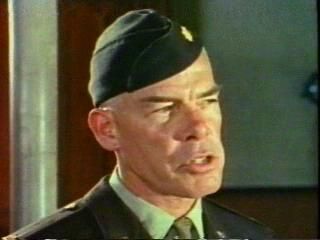
El comandante Reisman es un oficial estadounidense que se ha distinguido en la campaña de Italia, durante la Segunda Guerra Mundial. A pesar de ello, su mayor virtud no es la disciplina; de ahí que las relaciones con sus superiores sean más bien tensas. Sin embargo, debido a su brillante historial militar, no dudan en encargarle una misión suicida: asaltar una fortaleza nazi y matar a sus ocupantes, todos ellos altos mandos del régimen. Para ello debe someter a un duro entrenamiento a doce presidiarios.
Where to Watch Doce del patíbulo


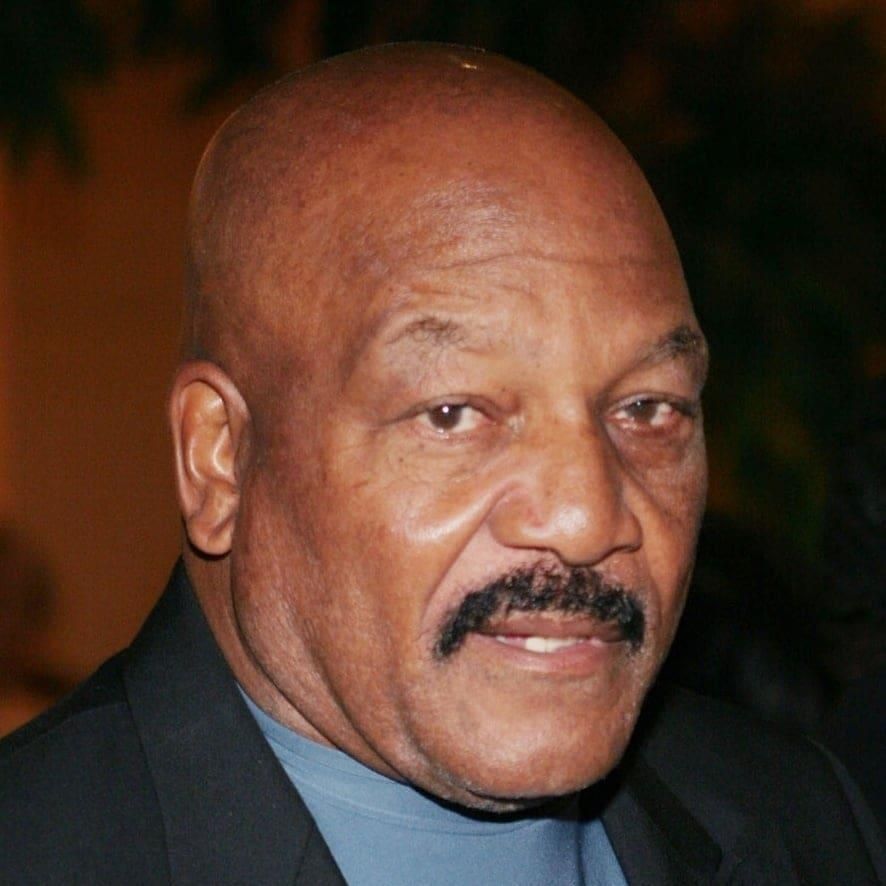


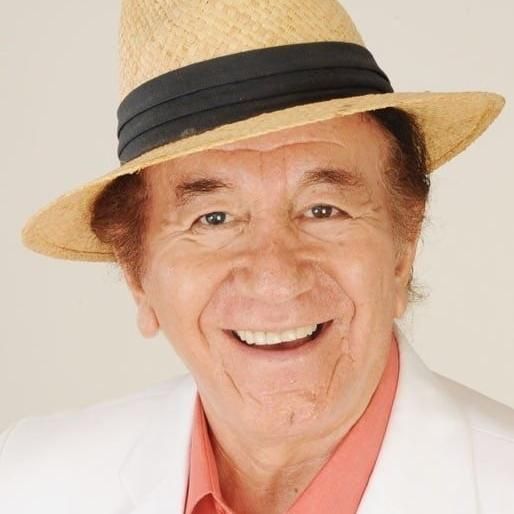


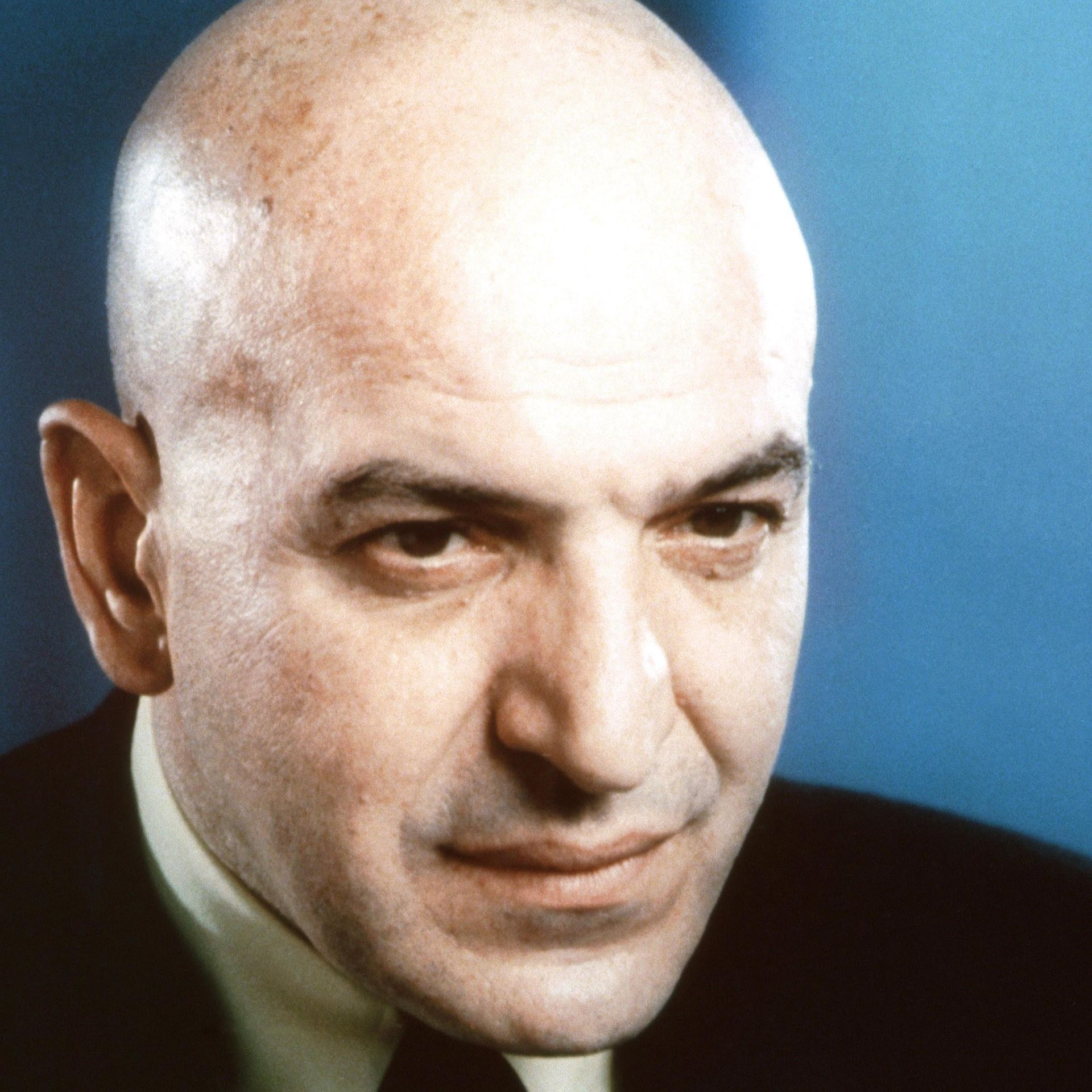

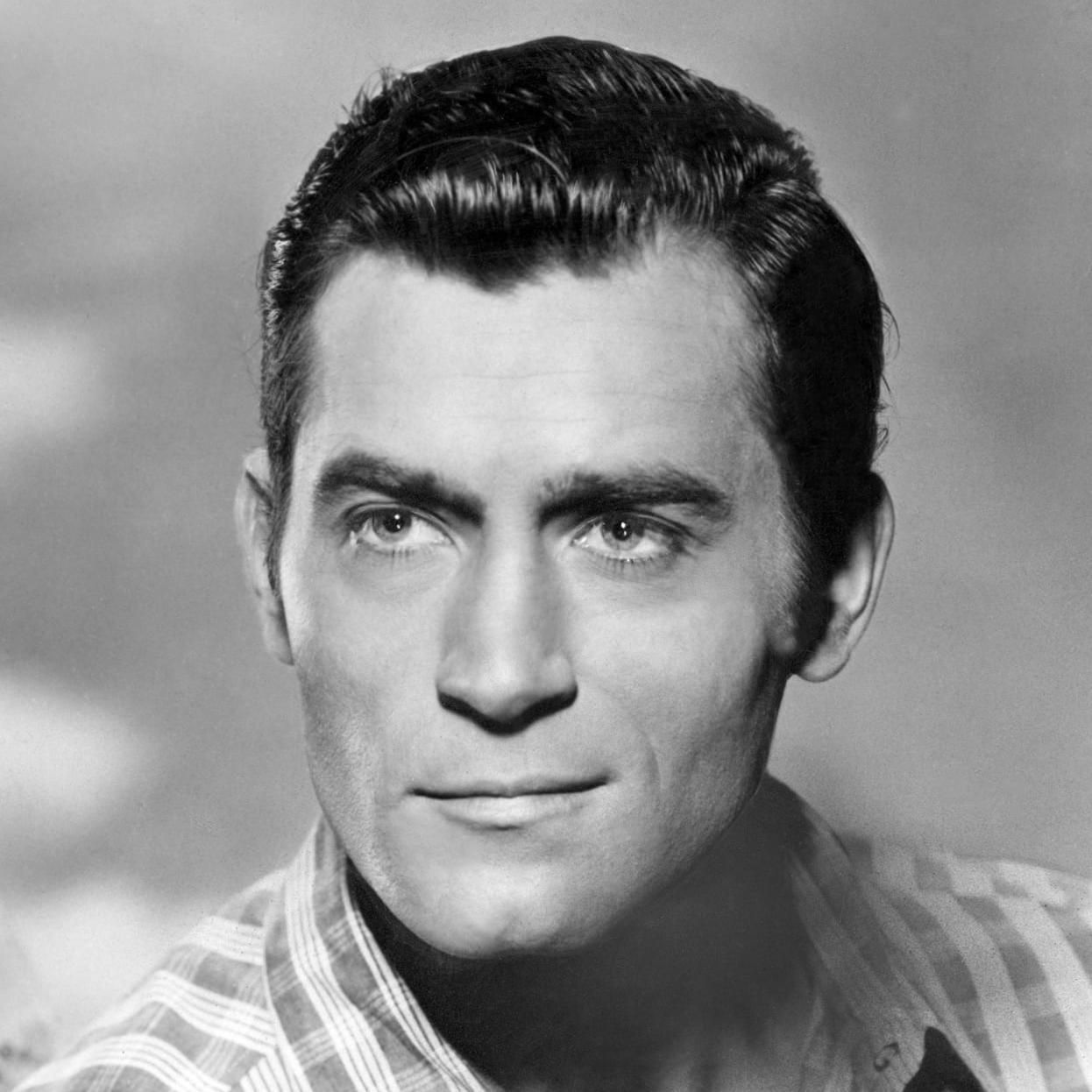



Doce del patíbulo Ratings & Reviews
- flavo4320 de enero de 2026The Dirty Dozen remains one of the most entertaining and influential war films of its era, driven by three undeniable strengths: great characters, great action, and a great story. The film’s ensemble cast brings a rowdy, unpredictable energy to the screen, turning a group of condemned men into a strangely compelling unit you can’t help but root for. Their rough edges, clashing personalities, and reluctant camaraderie give the movie its charm. Much of the rest can be taken on faith—historical accuracy, military logic, and moral clarity are often pushed aside—but the film covers those gaps with sheer bravado, explosive violence, and relentless tenacity. Inspired loosely by the real‑life “Filthy Thirteen” paratroopers, the premise feels just grounded enough to work while still embracing its pulpy spirit. As a WWII action adventure, it’s a winner: bold, rowdy, and endlessly watchable, even decades later.
- ርልዪረ27 de diciembre de 2025Acclaimed director Robert Aldrich (also famous to war film buffs for his rule-breaking drama, "Attack") twists the familiar 'unit picture' into a famous story of unexpected heroism in the midst of World War II. Instead of making his heroes clean-cut, American draftees, we're looking at the dirtiest convicts the Armed Forces has got to offer. OSS Major Reisman (Lee Marvin, "Hell in the Pacific") is an insubordinate Army officer who's facing a court-martial, when he's given one last chance for a reprieve: select twelve Army prisoners from a maximum-security detention center, train them for a top-secret mission behind the German lines, and then lead them into battle. If they succeed in the mission, they'll be released. For Reisman, it's a tough call, but it's his only chance to save his career. The men he was to work with are a mixed batch, and director Aldrich packs a lot of character development into a two-and-a-half-hour movie. The most important of the "Dirty Dozen" is Franko, a small-time Chicago hoodlum who's facing the gallows for robbery and subsequent murder of a British civilian. It's clear from the start that Franko is a loner who thinks he's big stuff, but Reisman manages to prove that he's really all talk. More than once, he considers and even attempts escape from the remote training camp that the Dozen are forced to build but maybe, just maybe, beneath that rebellious attitude, there's a chance for redemption. Then there are some more sympathetic types: Wladislaw (Charles Bronson, "Battle of the Bulge") was once a front-line infantryman who shot his platoon's medic when the medic got scared under fire and started running Bronson says "He took off with all the medical supplies only way to stop him was to shoot him." Jefferson (Jim Brown, "Ice Station Zebra") has been convicted for murder his defense is he was defending himself from vicious, racist MPs who were abusing him. Wladislaw and Jefferson find themselves allied in order to get Franko on their side, because they have faith in Reisman and aren't willing to let Franko's rebellion become infectious. Also in fine support is Clint Walker ("None But the Brave") as the big Navajo, Posey, who punched a man too hard for shoving him. He really didn't mean to kill him; he just doesn't like being pushed. Posey comes off as a cuddly teddy bear who'd never intentionally hurt a soul, and it's clear from the start that he's one of the good guys. Finally, Telly Savalas ("Kelly's Heroes") lends a hand as the psychotic, racist, religious fanatic Maggot, who believes his job is to punish the other 11 men for their "wickedness". His motives are never really clear; all we really know is that Maggot is somewhat unhinged and potentially dangerous. Even though Reisman and his squad don't get along, they're forced to become allied against a common enemy the American General Staff, who want to do nothing short of shut the operation down. Aldrich again breaks the rules, making the conventionally "good guys" into the enemy. The Germans are barely mentioned throughout the first two acts, and only become involved for the explosive finale. The heart of this movie is anti-establishment behavior, right in the vein of the protest culture of the 60s: the good guys are the unshaven criminals, and the bad guys are the clean-cut, well-dressed Generals who come across as stupid and vain. As Colonel Everett Dasher Breed, Robert Ryan ("Flying Leathernecks") makes an excellent bully, a villain that the Dozen eventually unite to take action against. Once the men have been trained and are finally cooperating and acting as a unit, it's time to set them loose on the Nazis. And still, the story doesn't become stereotypical. The mission is simple: the men will parachute into occupied France, penetrate a château being used as a rest center for high-level German officers, and kill as many of said officers as possible in a short amount of time. This operation involves stabbing defenseless women, machine-gunning prisoners, and finally, locking several dozen German officers and their mistresses in an underground bomb shelter, pouring gasoline down on them through air vents, loading said air vents with hand grenades, and then blowing up the whole place. Characters and story aside, the film benefits from some superb editing by Michael Luciano. Director Aldrich and cinematographer Edward Scaife work hand in hand to compose every shot. The cramped, dank prison cells in the first act are utterly convincing, and the layout of the huge, magnificent German-occupied château looks, quite appropriately, like a cross between a marvelous mansion and an impregnable fortress. The battle scenes are well-choreographed, too. Never does a moment go by where we do not know where one encounter is happening in relation to what the rest of the squad is dealing with in and around the Château. Frank de Vol's sweeping score is used sparingly, and adds to both the humor and suspense of the picture. One scene, in which Donald Sutherland's character "inspects" a platoon of the 82nd Airborne, is set to a live orchestra's performance perfectly. War is a really a dirty business this isn't a movie about men playing by the rules. It's about breaking every rule in the book to get a job done, and if a few innocent bystanders get in the way, they're simply collateral damage. On a higher level, Aldrich's film reflects culture attitudes of the late 60s. Moviegoers wanted a film which encouraged breaking the rules, which showed the higher levels of the American military as deeply flawed, and made the dregs of society into the heroes of the piece. It's a cynical representation of the time it was made in, but holds up flawlessly 60 years later, in a culture which has probably been shaped by the attitudes the film reflects in every frame.
- mickerdoo13 de agosto de 2025Good idea with solid execution. Marvin was well suited to lead. Enjoyed Sutherland's gags. Definitely influenced Inglorious Basterds.
- Juan Manuel Zavala20 de julio de 2025Really enjoyed this classic. I can see how it inspired Inglorious Basterds. Definitely a must watch.
- Mister Arn18 de diciembre de 2024Most of "The Dirty Dozen" is very entertaining, but once they start their mission the wheels come off. The battle scene doesn't hold up and just seems silly instead of dramatic. It's still an enjoyable film but not the classic I once thought.


Doce del patíbulo Trivia
Doce del patíbulo was released on 20 de julio de 1967.
Doce del patíbulo was directed by Robert Aldrich.
Doce del patíbulo has a runtime of 2h 29min.
Doce del patíbulo was produced by Kenneth Hyman.
El comandante Reisman es un oficial estadounidense que se ha distinguido en la campaña de Italia, durante la Segunda Guerra Mundial. A pesar de ello, su mayor virtud no es la disciplina; de ahí que las relaciones con sus superiores sean más bien tensas. Sin embargo, debido a su brillante historial militar, no dudan en encargarle una misión suicida: asaltar una fortaleza nazi y matar a sus ocupantes, todos ellos altos mandos del régimen. Para ello debe someter a un duro entrenamiento a doce presidiarios.
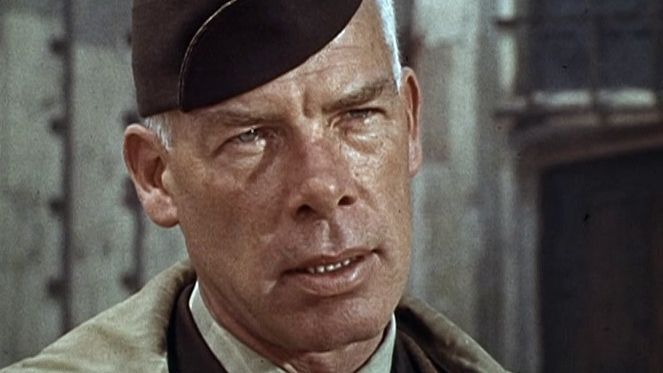
The key characters in Doce del patíbulo are Maj. John Reisman (Lee Marvin), Maj. Gen. Worden (Ernest Borgnine), Joseph Wladislaw (Charles Bronson).
Doce del patíbulo is rated 18.
Doce del patíbulo is an Action, Adventure, Bélica film.
Doce del patíbulo has an audience rating of 9 out of 10.
Doce del patíbulo had a budget of 5,4 MUS$.
Doce del patíbulo has made 45,3 MUS$ at the box office.