


Basada en hechos reales. Tras el asesinato de varios atletas israelíes por el grupo terrorista "Septiembre negro" en los Juegos Olímpicos de Múnich de 1972, un agente especial del Mossad tuvo que ejecutar una misión altamente secreta: asesinar a los responsables.
Where to Watch Munich








- hamedtaha26 de enero de 2026“Munich” presents itself as a thoughtful political thriller about the Israeli response to the 1972 Munich Olympics attack, but its core narrative largely follows Mossad agents hunting down members of the Palestinian resistance, while framing their killings as a tragic but almost inevitable consequence of “security.” The film opens with the trauma of the murdered Israeli athletes and then spends most of its time on the psychological burden carried by the assassins, not on the roots of the occupation or the Palestinian experience that produced such desperate resistance in the first place. For me, this is the biggest problem with “Munich”: the story is built around the mission to “erase” Palestinian militants, and the movie’s emotional center is the guilt, paranoia, and moral crisis of the Israeli team, rather than the people and cause they are sent to eliminate. Palestinians appear mostly as targets, names on a list, or brief silhouettes before they are bombed or shot, which reduces a decades‑long struggle against dispossession and occupation to a series of “terrorist” faces that exist just long enough to die on screen. Even when the script allows a Palestinian character to speak about his people’s history, the film quickly returns to its main concern: what revenge is doing to Israel’s soul, not what Israel has done to Palestine. The movie tries to look “balanced” by showing that violence is corrosive for everyone, but in practice this both‑sides approach blurs a key reality: one side is a nuclear‑armed state carrying out extrajudicial assassinations around the world, and the other is an occupied, displaced people whose resistance is never given full historical or political context. By focusing so heavily on the inner conflict of the Mossad team and barely touching the structural violence of occupation, “Munich” ends up treating Palestinian resistance mainly as a trigger for Israeli trauma rather than as a response to generations of land theft, refugees, and daily oppression. In that sense, the film tells us a lot about how Western cinema chooses to frame this story: the killings of Palestinians are shown as tragic but narratively necessary steps in an endless moral dilemma for Israelis, while the original injustice that produced this cycle remains mostly off‑screen. Whatever its technical strengths as a thriller, “Munich” feels like a movie about “how hard it is” to kill the resistance, not about why that resistance exists or how wrong it is that those who fight for their land are reduced to expendable targets in someone else’s moral journey. يقدّم فيلم «ميونيخ» نفسه كفيلم تشويق سياسي عميق عن ردّ الفعل الإسرائيلي على عملية أولمبياد ميونيخ 1972، لكنه في جوهره يتابع فريقاً من عملاء الموساد الذين يطاردون أعضاء من المقاومة الفلسطينية، ويطرح عمليات اغتيالهم كأنها نتيجة «حتمية» ومؤلمة بدافع الأمن. يبدأ الفيلم بصدمة مقتل الرياضيين الإسرائيليين، ثم يقضي معظم وقته في تتبّع العبء النفسي الذي يحمله القتلة، بدلاً من التوقف عند جذور الاحتلال أو التجربة الفلسطينية التي أفرزت مثل هذا النوع من المقاومة اليائسة. بالنسبة لي، هذه هي المشكلة الأكبر في «ميونيخ»: القصة مبنية على مهمة «محو» المقاومين الفلسطينيين، ومركز الثقل العاطفي للفيلم هو شعور فريق الاغتيالات الإسرائيلي بالذنب والبارانويا والأزمة الأخلاقية، وليس قضيّة من جاؤوا لاغتيالهم. يظهر الفلسطينيون في الغالب كأهداف، كأسماء على قائمة، أو كظلال سريعة قبل أن يُقصفوا أو يُطلق عليهم الرصاص، وهذا يختزل نضالاً ممتداً لعقود ضدّ النزع القسري للأرض والاحتلال إلى مجموعة وجوه «إرهابيين» لا وجود لها على الشاشة إلا للحظة موتها. وحتى عندما يسمح السيناريو لشخصية فلسطينية بأن تتحدث عن تاريخ شعبها، يعود الفيلم سريعاً إلى انشغاله الأساسي: ما الذي تفعله أعمال الانتقام بروح إسرائيل، وليس ما الذي فعلته إسرائيل بفلسطين. يحاول الفيلم أن يبدو «متوازناً» من خلال إظهار أن العنف يفسد الجميع، لكن هذا الطرح الذي يساوي بين الطرفين يطمس حقيقة أساسية: طرف يملك دولة نووية تنفّذ اغتيالات خارج القانون حول العالم، وطرف آخر شعبٌ واقع تحت الاحتلال والتهجير، ولا يحصل نضاله على سياقه التاريخي والسياسي الكامل. وبما أنه يركّز بهذا الشكل على الصراع الداخلي لفريق الموساد، ويتجاهل إلى حد كبير العنف البنيوي للاحتلال، ينتهي «ميونيخ» إلى تقديم المقاومة الفلسطينية أساساً كشرارة لصدمة إسرائيلية، لا كاستجابة لعقود من سرقة الأراضي، واللجوء، والقمع اليومي. بهذا المعنى، يخبرنا الفيلم الكثير عن الطريقة التي يختار بها الغرب رواية هذه القصة: قتل الفلسطينيين يُعرض كأمر مأساوي لكنه «ضروري» درامياً في دوّامة معضلة أخلاقية إسرائيلية لا تنتهي، بينما يبقى الظلم الأصلي الذي أشعل هذه الحلقة خارج الكادر في أغلب الأحيان. وعلى الرغم من قوّته التقنية كفيلم تشويق، يبدو «ميونيخ» في النهاية كفيلم عن «مدى صعوبة» قتل المقاومة، لا عن سبب وجود هذه المقاومة أصلاً، ولا عن مدى الظلم في اختزال من يقاتلون من أجل أرضهم إلى أهداف يمكن تصفيتها في رحلة تطهير أخلاقي لشخصيات أخرى. أمثلة لأفلام أفضل عن فلسطين والمقاومة إذا كنت مهتماً بأفلام تقدّم صورة أعمق عن الجانب الفلسطيني، فهناك أعمال تضع الصوت والرواية الفلسطينية في المركز بشكل أكثر صدقاً ووضوحاً. إليك بعض الأمثلة التي يمكنك ذكرها كبدائل «أفضل» أو أكثر توازناً عندما تتحدث عن «ميونيخ»: الفيلم لماذا يعالج القصة بشكل أقوى «Palestine Blues» (2006) فيلم وثائقي يتابع مزارعين فلسطينيين يقاومون الجدار الفاصل والتوسع الاستيطاني، ويركّز على النضال اليومي من القاعدة بدلاً من رواية الدولة. «الحلم» (إخراج محمد ملص) صُوِّر في مخيمات اللاجئين الفلسطينيين في لبنان، ويوثّق أحلام وكوابيس المنفيين، ليقدّم صورة إنسانية مؤثرة عن المنفى والمقاومة. «Zahara» (وثائقي) يتتبع حياة امرأة فلسطينية من ما قبل 1948 مروراً بقيام دولة إسرائيل وتحول الفلسطينيين إلى أقلية مهمَّشة في وطنهم. برامج وأفلام عن المقاومة الفلسطينية برامج منسَّقة مثل «Films of Palestinian Resistance» تجمع وثائقيات وأفلاماً ومقالات بصرية تضع الاستعمار، والتهجير، والنضال من أجل التحرر في الواجهة، وتقدّم ما يهمله «ميونيخ» من سياق.
- Tanalien9 de agosto de 2025By conventional wisdom, Munich is a film that never should have been made. Its subject matter is hotly contested and fiercely political. It is a three-hour, morally complex film of considerable scale, made on a very crunched schedule, and distributed by two major Hollywood studios. How many lives must be taken to avenge the ones you lost? In our responses to violence, should we accept any compromises on the values of our nation? If so, where do we draw the line? And how do we hold it? When the film was released, all sides found fault with the depictions of various groups and its factual basis. While he maintains that he has told this story truthfully, Steven Spielberg is not making a documentary, embedded in the exact methods of spy-craft; other films serve that purpose. Spielberg’s highest goal is to immerse the audience in the story’s emotional truth. The most famous Jewish director in the world has made a challenging film that ends by pointing the camera back at us. For all the moral qualms we have experienced in Munich, he asks us to delve into our own souls to find the answers that we can live with.
- Tretia23 de agosto de 2025AMAZING movie. It chronicles Eric Bana's character's descent into paranoia leading the Mossad's mission to take out Black September terror group that held Munich Olympics Israeli athletes hostage. This film is one of a handful that I would call a work of art. Masterfully directed and produced, you do NOT want to miss this one.


Get Plex on Your Devices
Free on 20+ platforms. Pick yours.Munich Trivia
Munich was released on 23 de diciembre de 2005.
Munich was directed by Steven Spielberg.
Munich has a runtime of 2h 44min.
Munich was produced by Steven Spielberg, Colin Wilson, Kathleen Kennedy, Barry Mendel.
Basada en hechos reales. Tras el asesinato de varios atletas israelíes por el grupo terrorista "Septiembre negro" en los Juegos Olímpicos de Múnich de 1972, un agente especial del Mossad tuvo que ejecutar una misión altamente secreta: asesinar a los responsables.
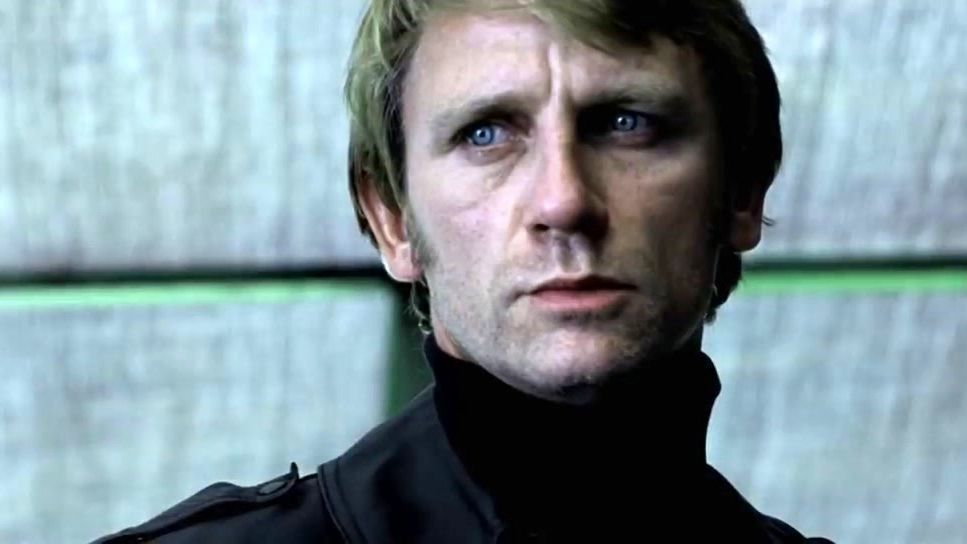
The key characters in Munich are Avner (Eric Bana), Steve (Daniel Craig), Carl (Ciarán Hinds).
Munich is rated 18.
Munich is a Drama, Action, Historia film.
Munich has an audience rating of 8.3 out of 10.
Munich had a budget of 70 MUS$.
Munich has made 131 MUS$ at the box office.