South Park

Miasteczko South Park
South Park jest jednym z najpopularniejszych i zarazem kontrowersyjnych seriali animowanych na świecie. Opowiada o czterech 8-letnich chłopcach. Eric Cartman, Stan Marsh, Kyle Broflovski i Kenny McCormick mieszkają w zaśnieżonym miasteczku w stanie Colorado, USA. Nie jest to takie całkiem zwykłe miasteczko, bo często jest nawiedzane przez kosmitów. Nieopodal stoi czynny wulkan. W niektórych odcinkach znajdują się nawiązania do znanych osób showbiznesu.

Scott beard reviewed
16 grudnia 2025•
South Park is fearless, filthy, and razor sharp. From its very first crude animation and shocking premise, the show carved a space in television that was entirely its own. Unlike any other cartoon before it, it didn’t aim to comfort or entertain lightly; it aimed to provoke, to challenge, and to hold a mirror up to the absurdities, hypocrisies, and contradictions of modern life. Trey Parker and Matt Stone created a world where no topic was too sacred, no public figure too untouchable, and no cultural trend too trivial to escape their scathing scrutiny.
It takes aim at everyone equally, from politicians to celebrities, religious figures to corporations, and from fringe social movements to mainstream culture. Every episode is a balancing act of sharp wit and social critique, blending observational humor with biting satire. The humor is filthy, often gross, sometimes shocking to the point of disbelief, but always purposeful. Each grotesque visual gag, each vulgar punchline, serves the larger point: nothing is too sacred to examine and mock.
Beneath the crude humor lies intelligence and craft. South Park consistently displays an uncanny understanding of human nature, societal structures, and cultural absurdities. Episodes like “All About the Mormons” or “Make Love, Not Warcraft” combine research, insight, and satire in a way that is genuinely smart while remaining accessible and funny. The show’s writers tackle the complex and the controversial with a rare combination of fearlessness and precision. It is both a comedy and a commentary, a vehicle for entertainment and cultural reflection.
Its speed and relevance are unmatched. With a production cycle that allows episodes to respond to current events almost in real time, South Park remains fast and fresh. Where other shows might take months to respond to a social controversy, South Park often lands within days, skewering the latest absurdity in a way that feels immediate, personal, and sharp. This agility keeps the show relevant even decades into its run, allowing it to comment on everything from political scandals to viral internet phenomena without ever feeling stale.
The show is also surprisingly self-aware. Amidst the chaos, there is a strong sense of meta commentary. Characters like Cartman, Kenny, Kyle, and Stan serve as archetypes and vehicles for social critique, and the show frequently acknowledges its own extremity, exaggeration, and absurdity. Its willingness to examine itself as part of the culture it critiques adds another layer to its sophistication.
South Park has never shied away from controversy. It has offended countless groups, been censored in parts of the world, and sparked public debate about freedom of expression. Yet it continues undeterred, never sacrificing its core voice. Its resilience against cultural pressure and its refusal to compromise its vision is part of what elevates it to legendary status.
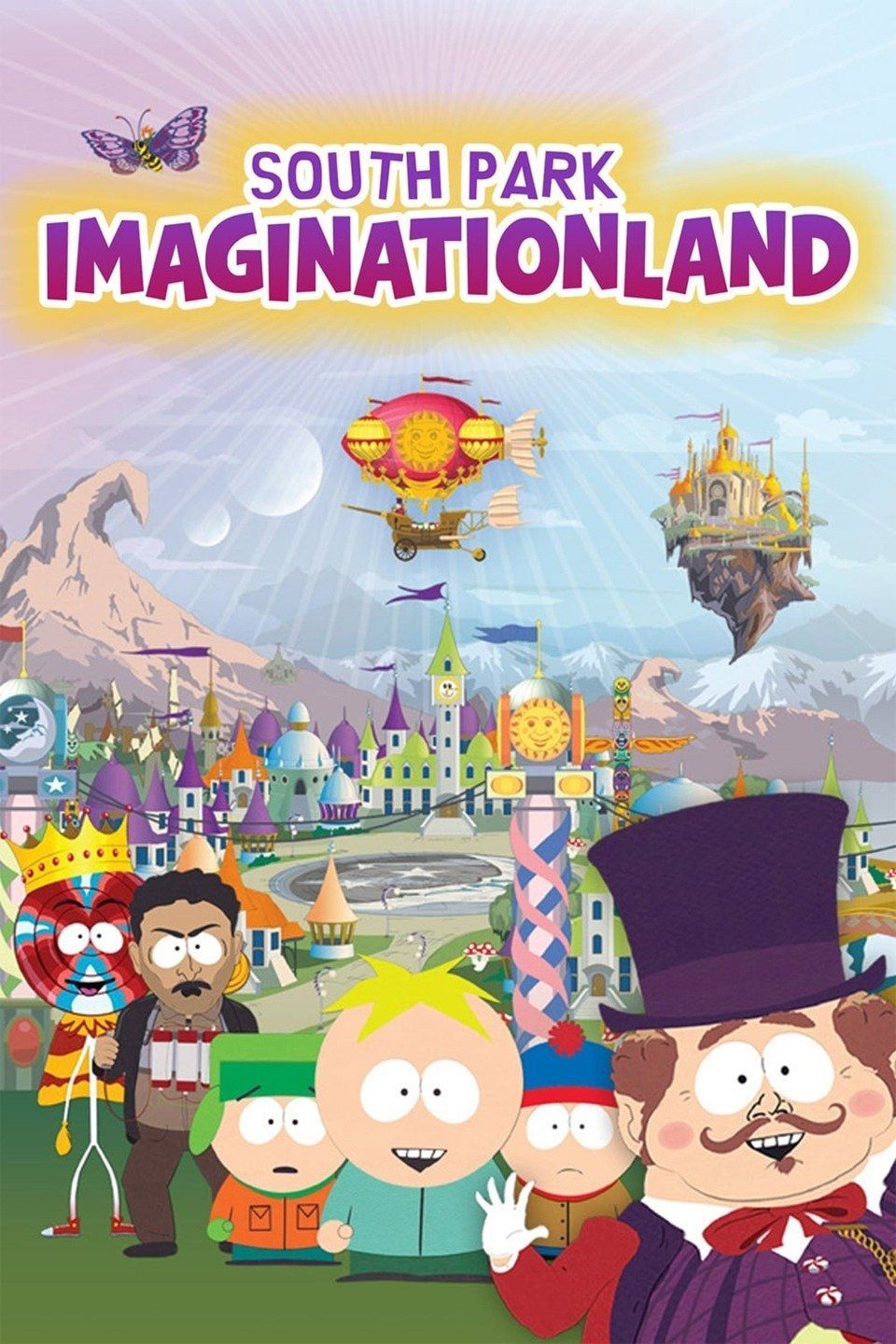
Beyond humor and satire, South Park often carries real emotional weight. Episodes like “You’re Getting Old” or “Imaginationland” explore complex human themes, including mortality, change, loss, and identity, in ways that are deeply moving. Beneath the crude exterior lies a show capable of empathy, reflection, and insight, which only makes the biting humor more effective.
Its animation style, deliberately rough and simplistic, reinforces the show’s ethos. The cutout aesthetic is instantly recognizable and adds a layer of charm to the outrageous content. The visual simplicity contrasts with the complexity of the satire, making the show accessible while allowing the writing and ideas to shine.
After more than two decades, South Park remains culturally significant. It is a lens through which to examine society, a repository of fearless commentary, and a masterclass in comedic timing. Its impact extends beyond television, influencing a generation of writers, comedians, and satirists who attempt, often unsuccessfully, to capture the same blend of irreverence, insight, and audacity.
In short, South Park is not just a television show; it is a cultural institution. It is fearless, filthy, and razor sharp, but also intelligent, reflective, and enduring. It pulls no punches, offends without apology, and simultaneously makes viewers laugh, think, and squirm in recognition. For anyone seeking satire that challenges, entertains, and reflects the absurdities of modern life with unflinching honesty, South Park stands alone. Its legacy is secure, its influence undeniable, and its status? Legend status unlocked!! 🔓❤️👌👌👌👏👏👏👏👏👏👏
Scott beard reviewed
16 grudnia 2025•
South Park is fearless, filthy, and razor sharp. From its very first crude animation and shocking premise, the show carved a space in television that was entirely its own. Unlike any other cartoon before it, it didn’t aim to comfort or entertain lightly; it aimed to provoke, to challenge, and to hold a mirror up to the absurdities, hypocrisies, and contradictions of modern life. Trey Parker and Matt Stone created a world where no topic was too sacred, no public figure too untouchable, and no cultural trend too trivial to escape their scathing scrutiny.
It takes aim at everyone equally, from politicians to celebrities, religious figures to corporations, and from fringe social movements to mainstream culture. Every episode is a balancing act of sharp wit and social critique, blending observational humor with biting satire. The humor is filthy, often gross, sometimes shocking to the point of disbelief, but always purposeful. Each grotesque visual gag, each vulgar punchline, serves the larger point: nothing is too sacred to examine and mock.
Beneath the crude humor lies intelligence and craft. South Park consistently displays an uncanny understanding of human nature, societal structures, and cultural absurdities. Episodes like “All About the Mormons” or “Make Love, Not Warcraft” combine research, insight, and satire in a way that is genuinely smart while remaining accessible and funny. The show’s writers tackle the complex and the controversial with a rare combination of fearlessness and precision. It is both a comedy and a commentary, a vehicle for entertainment and cultural reflection.
Its speed and relevance are unmatched. With a production cycle that allows episodes to respond to current events almost in real time, South Park remains fast and fresh. Where other shows might take months to respond to a social controversy, South Park often lands within days, skewering the latest absurdity in a way that feels immediate, personal, and sharp. This agility keeps the show relevant even decades into its run, allowing it to comment on everything from political scandals to viral internet phenomena without ever feeling stale.
The show is also surprisingly self-aware. Amidst the chaos, there is a strong sense of meta commentary. Characters like Cartman, Kenny, Kyle, and Stan serve as archetypes and vehicles for social critique, and the show frequently acknowledges its own extremity, exaggeration, and absurdity. Its willingness to examine itself as part of the culture it critiques adds another layer to its sophistication.
South Park has never shied away from controversy. It has offended countless groups, been censored in parts of the world, and sparked public debate about freedom of expression. Yet it continues undeterred, never sacrificing its core voice. Its resilience against cultural pressure and its refusal to compromise its vision is part of what elevates it to legendary status.
Beyond humor and satire, South Park often carries real emotional weight. Episodes like “You’re Getting Old” or “Imaginationland” explore complex human themes, including mortality, change, loss, and identity, in ways that are deeply moving. Beneath the crude exterior lies a show capable of empathy, reflection, and insight, which only makes the biting humor more effective.
Its animation style, deliberately rough and simplistic, reinforces the show’s ethos. The cutout aesthetic is instantly recognizable and adds a layer of charm to the outrageous content. The visual simplicity contrasts with the complexity of the satire, making the show accessible while allowing the writing and ideas to shine.
After more than two decades, South Park remains culturally significant. It is a lens through which to examine society, a repository of fearless commentary, and a masterclass in comedic timing. Its impact extends beyond television, influencing a generation of writers, comedians, and satirists who attempt, often unsuccessfully, to capture the same blend of irreverence, insight, and audacity.
In short, South Park is not just a television show; it is a cultural institution. It is fearless, filthy, and razor sharp, but also intelligent, reflective, and enduring. It pulls no punches, offends without apology, and simultaneously makes viewers laugh, think, and squirm in recognition. For anyone seeking satire that challenges, entertains, and reflects the absurdities of modern life with unflinching honesty, South Park stands alone. Its legacy is secure, its influence undeniable, and its status? Legend status unlocked!! 🔓❤️👌👌👌👏👏👏👏👏👏👏