NOVAŘada 33
TV-PG
A weekly documentary series, each episode providing an in-depth look at a different subject of scientific research. Subjects examined by this show have included the cutting edge of theoretical physics, a return to the Chernobyl nuclear reactor, the long-term effects of Amazon deforestation, and the development of life-saving medical techniques.
Kde se dívat na NOVA • Řada 33
20 dílů
- Mystery of the Megaflood
 D1
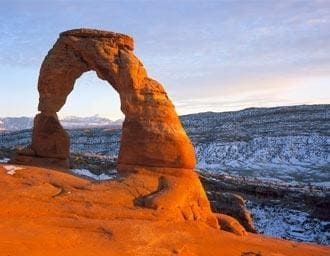
D1Mystery of the MegafloodThe Channeled Scablands in Washington state defied conventional explanations for their formation for decades. Little by little evidence mounted for an old theory that was rejected by the scientific establishment. It involved glaciers, volcanoes, a relatively minor river and a prodigious amount of water. - Sinking the Supership
 D2
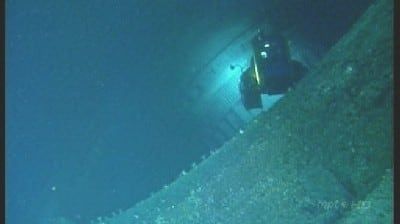
D2Sinking the SupershipThe search for the wreck of the Yamato, the largest and mightiest battleship ever floated and the pride of the Japanese Imperial Fleet. Constructed in absolute secrecy and sunk by American planes toward the end of World War II, her rapid demise had been a mystery, rather like a military Titanic. - Einsteinova velká myšlenka
 D3
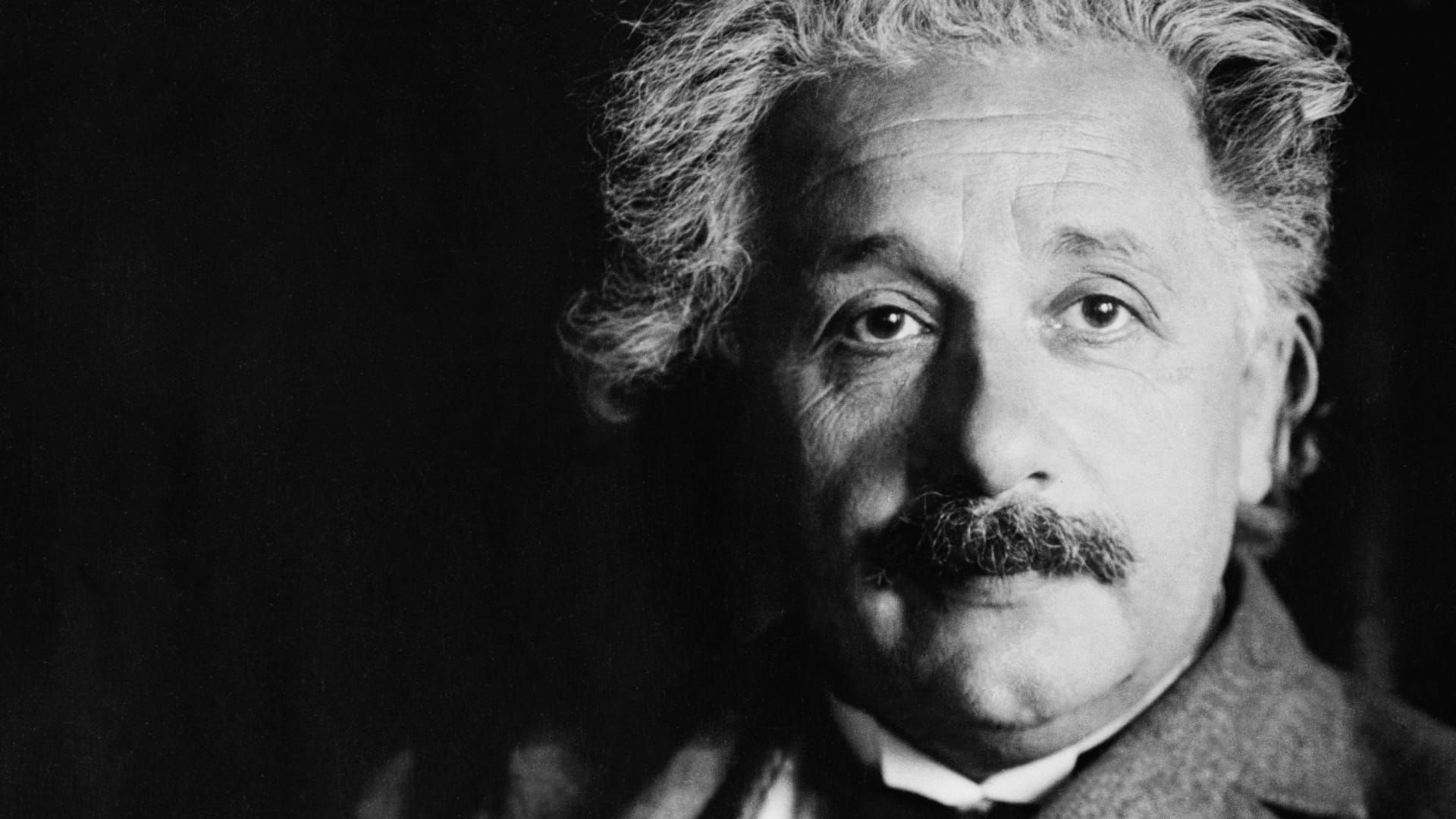
D3Einsteinova velká myšlenkaV roce 1905 uvažoval Albert Einstein o důsledcích své mimořádné revoluční teorie relativity a došel k překvapivému závěru: hmota a energie se podle rovnice E=mc^2 rovnají. Přestože se jedná jen o jeden z několika pozoruhodných objevů, které Einstein učinil, stal se jeho zdaleka nejznámější myšlenkou. Kolik lidí ale ví, co tato rovnice ve skutečnosti znamená? V dokumentu, který vede k zamyšlení, tento vzorec vysvětlíme prostřednictvím rozpletením příběhu o jeho vzniku. - Hitler's Sunken Secret
 D5
D5Hitler's Sunken SecretOne of the most daring clandestine operations of World War II was the 1944 sinking of the Norwegian ferry Hydro with its cargo of "heavy water" destined for the Nazis' secret atomic bomb project. Although the mission was declared a success, no one ever established if the special shipment was actually on board. In this program, NOVA descends 1,300 feet beneath a remote Norwegian lake to find the answer. - Storm That Drowned a City
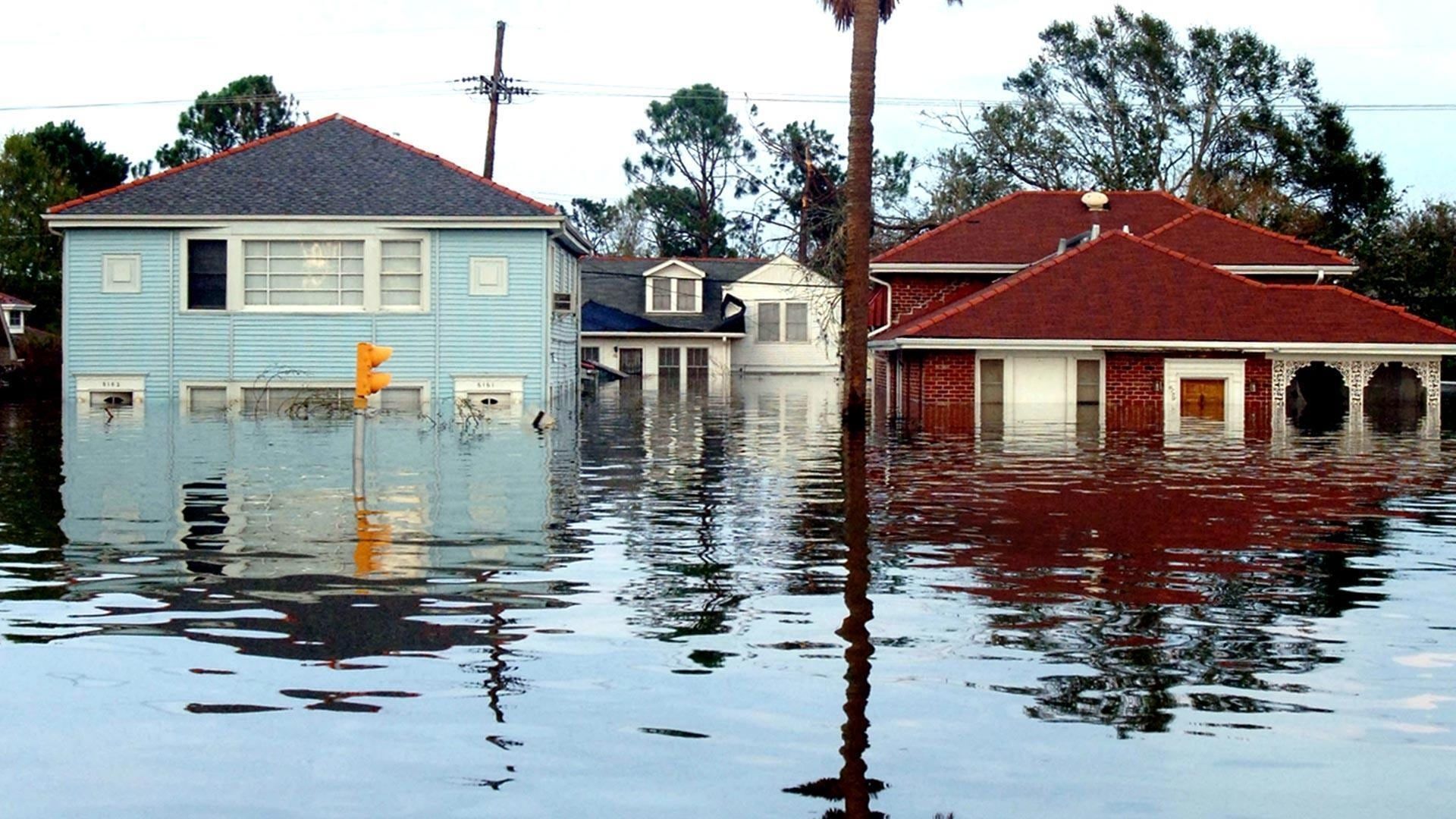 D7
D7Storm That Drowned a CityIn less than 12 hours on August 29, 2005, Hurricane Katrina devastated the Louisiana coast, leading to more than a thousand deaths and transforming a city of over one million into an uninhabitable swamp. NOVA investigates the science of Hurricane Katrina, combining a penetrating analysis of what went wrong with a dramatic, minute-by-minute unfolding of events told through eyewitness testimony. What made this storm so deadly? Will powerful hurricanes like Katrina strike more often? How accurately did scientists predict its impact, and why did the levees protecting New Orleans fail? - Dimming the Sun
 D16
D16Dimming the SunEveryone has heard of global warming, but a lesser-known man-made phenomenon has been nearly as powerful at affecting Earth's climate. A look at global dimming, created by soot and pollution reflecting the sun's rays and surprisingly helping to offset global warming's catastrophic advance. - Family That Walks on All FoursD18
Family That Walks on All FoursThis episode focuses on a scientific debate about five siblings in a Turkish family who walk on all fours. When, in 2005, scientist Uner Tan labeled them "genetic throwbacks," they became part of the dialogue about a possible missing link to an era when humans walked on all fours. Included: comments from geneticist Sean Carroll and anthropologist Brian Richmond, who disagree with Tan; and interviews with and footage of the family. - ScienceNOW: ExtinctionD19
ScienceNOW: ExtinctionThe "Nova scienceNOW" magazine delves into a case of mass extinction some 250 million years ago; investigates the 1918 influenza outbreak, which killed as many as 50 million people; details the work of MIT roboticist Cynthia Breazeal's efforts to create "sociable robots"; and examines attempts to decipher 2000-year-old papyrus scrolls. Neil deGrasse Tyson hosts.