NatureŘada 24
TV-G
Consistently stunning documentaries transport viewers to far-flung locations ranging from the torrid African plains to the chilly splendours of icy Antarctica. The show's primary focus is on animals and ecosystems around the world. A comic book based on the show, meant to be used an as educational tool for kids, was briefly distributed to museums and schools at no cost in the mid-2000s.
Kde se dívat na Nature • Řada 24

13 dílů
- Killers in Eden
 D1
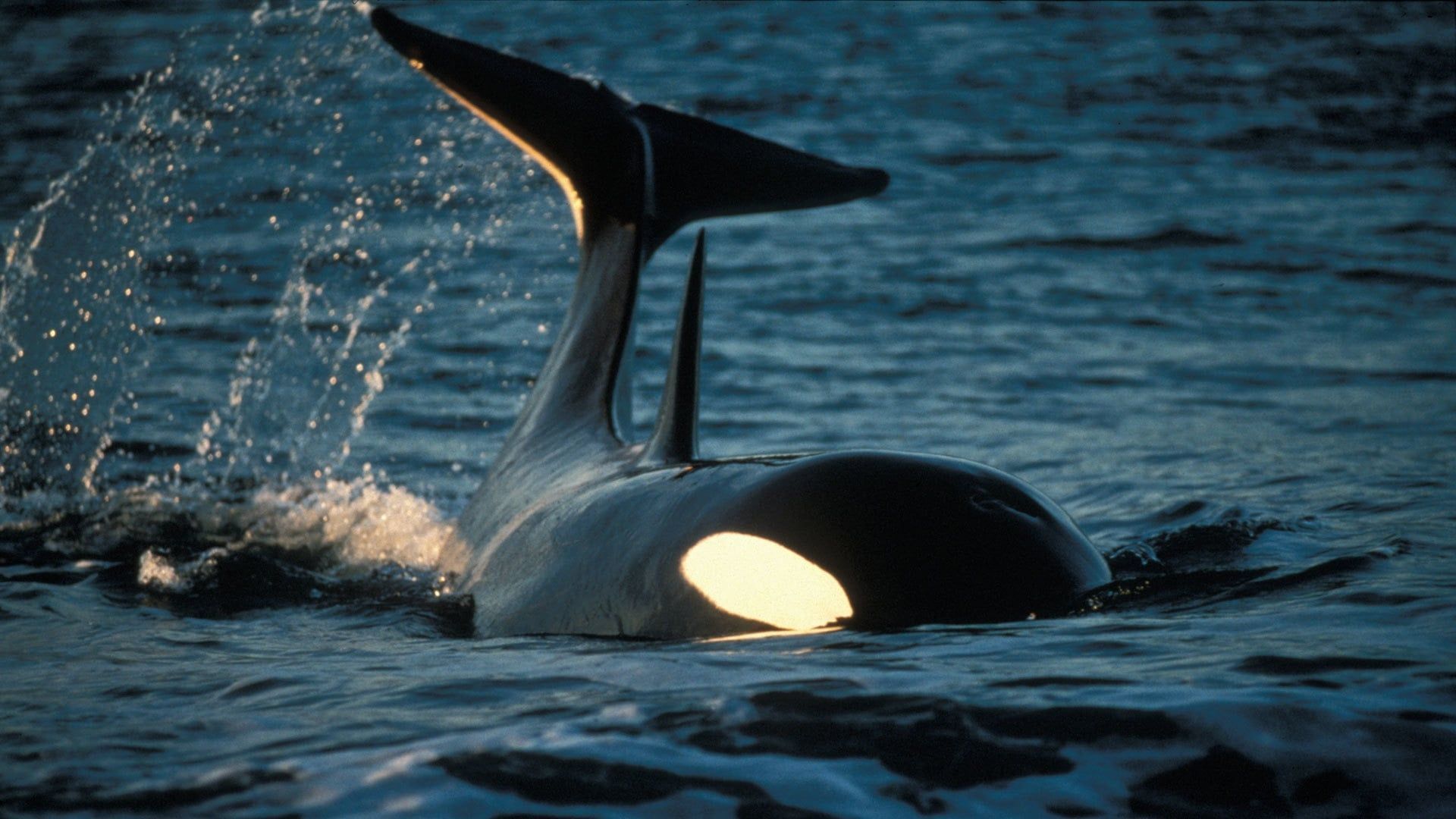
D1Killers in EdenOn the southeast coast of Australia, the town of Eden nestles along the shores of Twofold Bay. It was once a center of Australia’s thriving whaling industry, in part because it lies along the migration path of baleen whales swimming northward from the Antarctic. But residents say Eden’s whalers got some unusual help — from orcas, or killer whales, that patrolled offshore. - Katrina's Animal Rescue
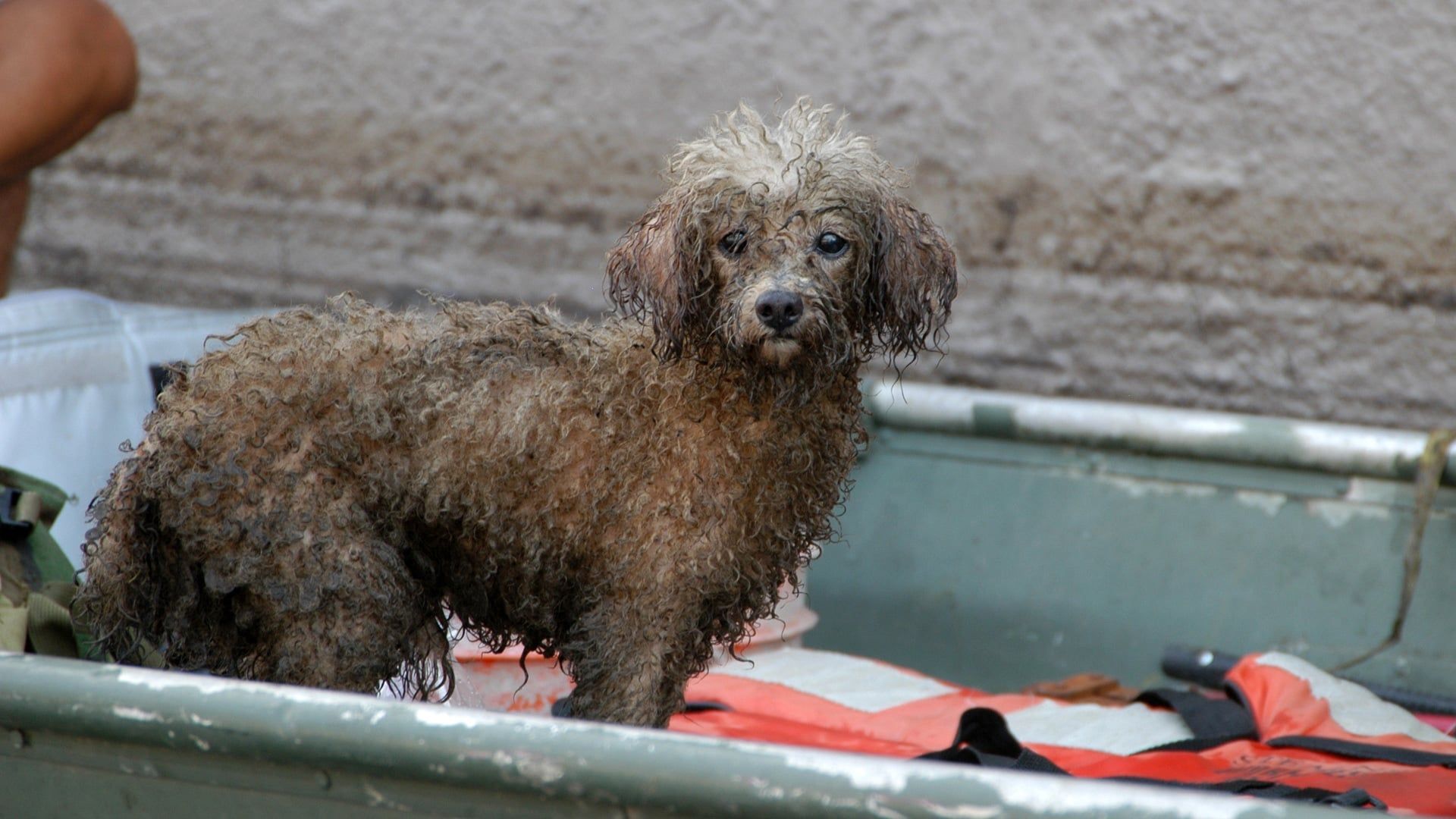 D3
D3Katrina's Animal RescueRescue missions to save animals in the aftermath of Hurricane Katrina. Included: a dog that spent days on a rooftop is saved; four dolphins that were washed out to sea from the Marine Life Oceanarium in Gulfport, Miss., are rescued by a NOAA crew. Also: the evacuation of 19 penguins, two sea otters, a sea turtle and sea dragons from the Audubon Aquarium of the Americas in New Orleans. - Life in Death Valley
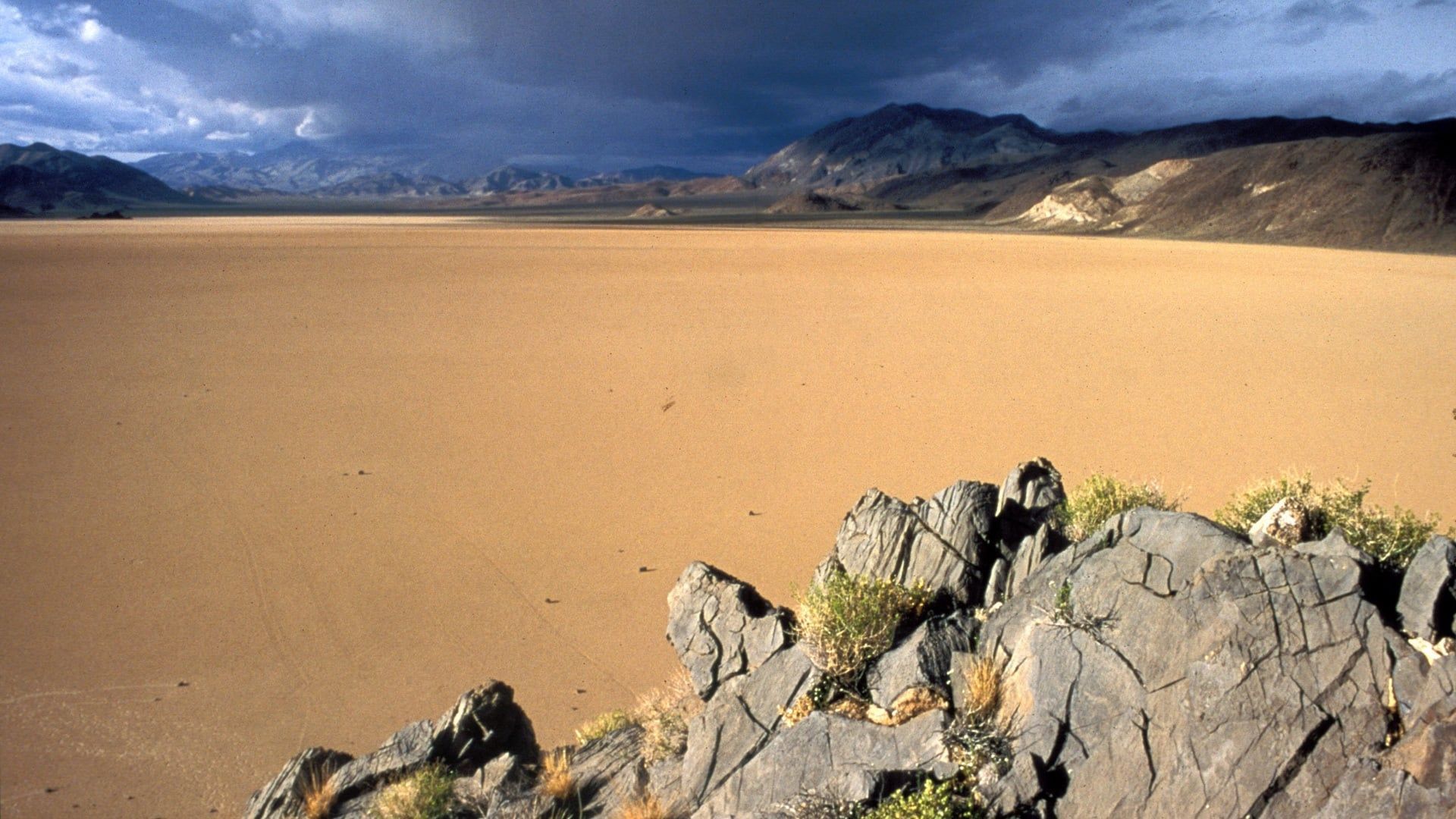 D5
D5Life in Death ValleyAnthony LaPaglia narrates this look at life in one of the world's most inhospitable places, Death Valley. Included: Devil's Hole pupfish, which live in waters deep beneath the desert's surface and whose numbers are dwindling; kangaroo rats; black-tailed jackrabbits; and bighorn sheep, which have a nine-stage digestive system that enables them to eat even the harshest of desert plants; and the desert tortoise, which eats enough food for a year---and mates---during just two weeks each spring. - Oceans in Glass: Behind the Scenes of the Monterey Bay Aquarium
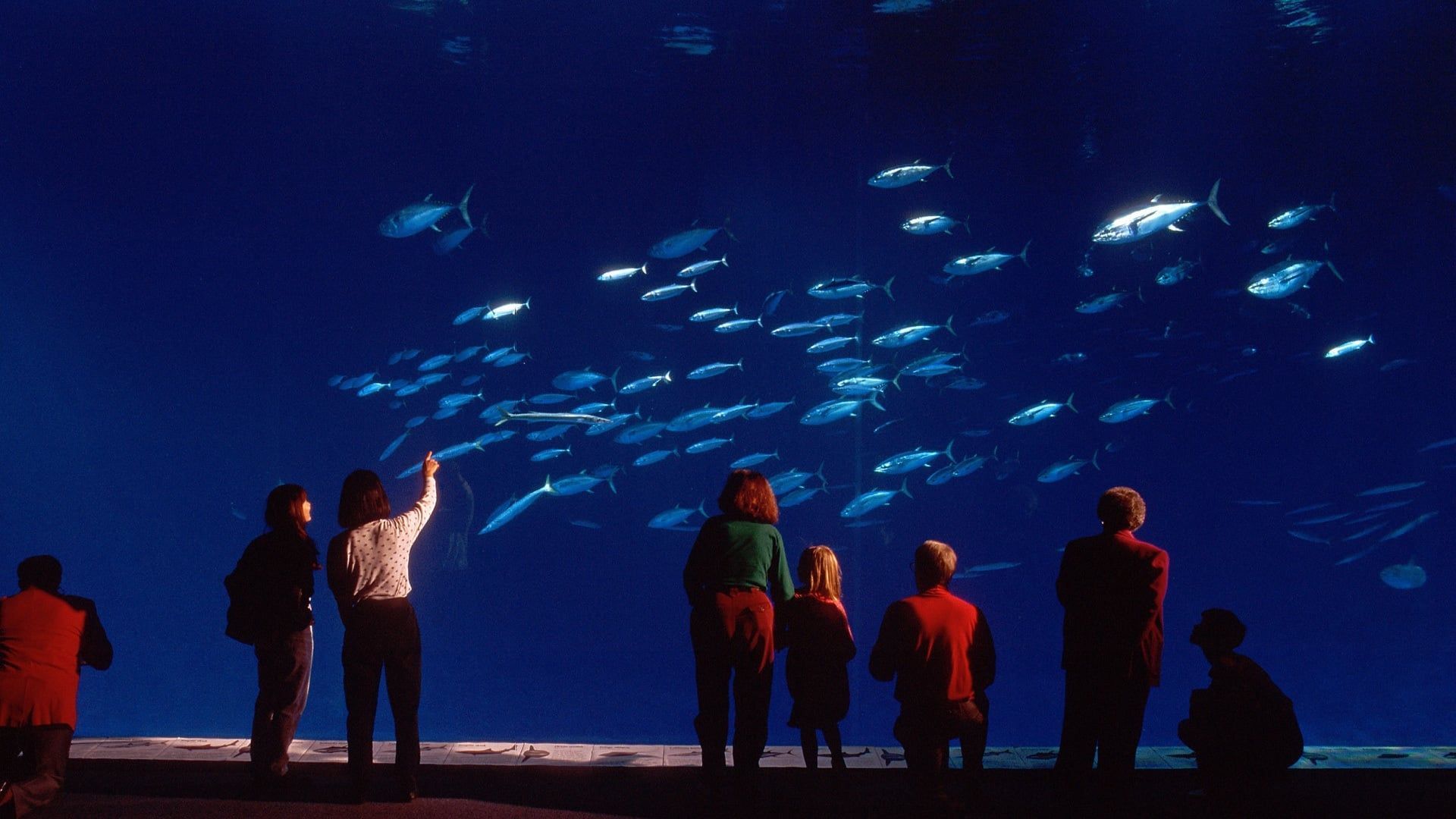 D6
D6Oceans in Glass: Behind the Scenes of the Monterey Bay AquariumFor more than 20 years, the Monterey Bay Aquarium has entertained, educated, and fascinated its nearly 2 million annual visitors with pioneering displays of realistic undersea environments. Now NATURE gives viewers a behind-the-scenes look at one of the world’s leading centers for marine research and conservation — a marvel of engineering and biology that, literally, captures Oceans in Glass. - The Queen of Trees
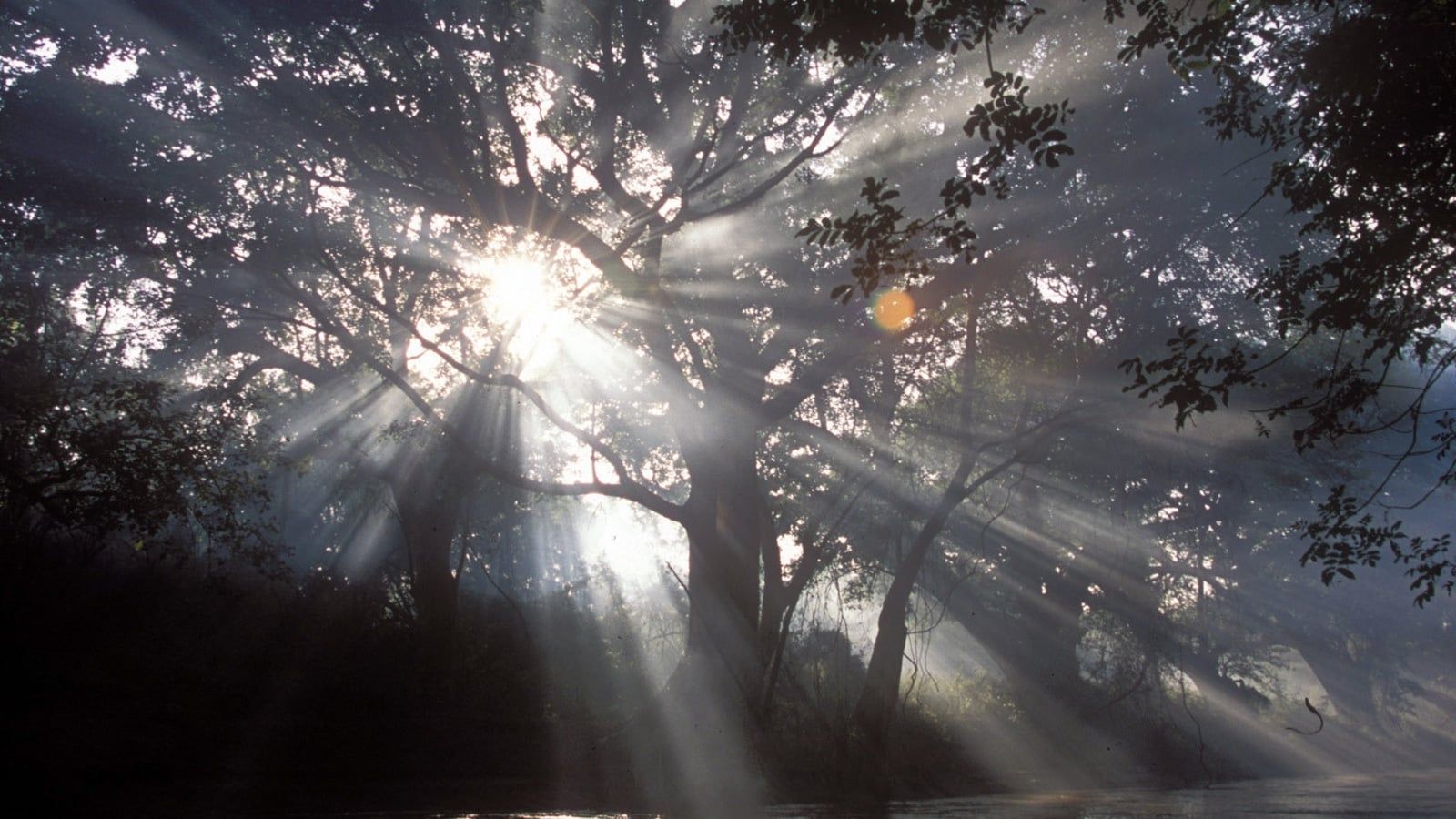 D11
D11The Queen of TreesPatricia Clarkson narrates this look at the relationship between the sycamore fig tree and the tiny fig wasp, which is so small it could fly through the eye of a needle. The trees, which flourish in Kenya, produce fruit that provides nourishment to more wildlife than any other tree in Africa, but without the pollination the wasp provides, that might not occur. The documentary also examines other creatures that make the trees their homes, including gray hornbills (one of Africa's largest birds). - The Vanishing Lions
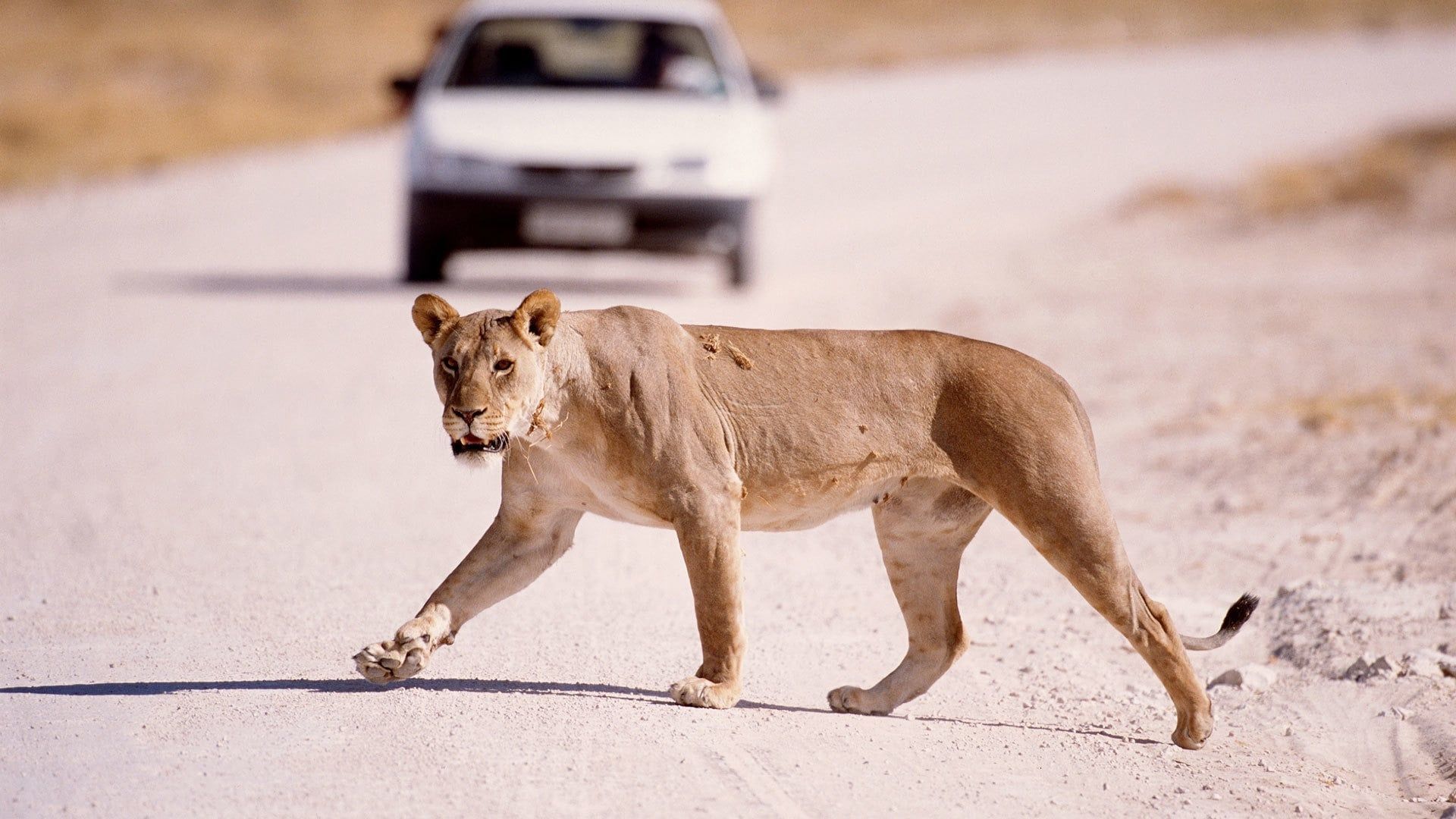 D12
D12The Vanishing LionsAfrica's lion population appears to be declining at an alarming rate. NATURE's THE VANISHING LIONS searches for explanations and solutions to the troubling trend. Across Africa, the King of Beasts is in trouble. In the late 20th century, wildlife preserves were created to curtail safari hunting, but the African lion population continues to decline. Their numbers have dwindled from 100,000 in the early 1990s to no more than 30,000 and as few as 16,000 today. What could be endangering the King of Beasts? - Crime Scene Creatures
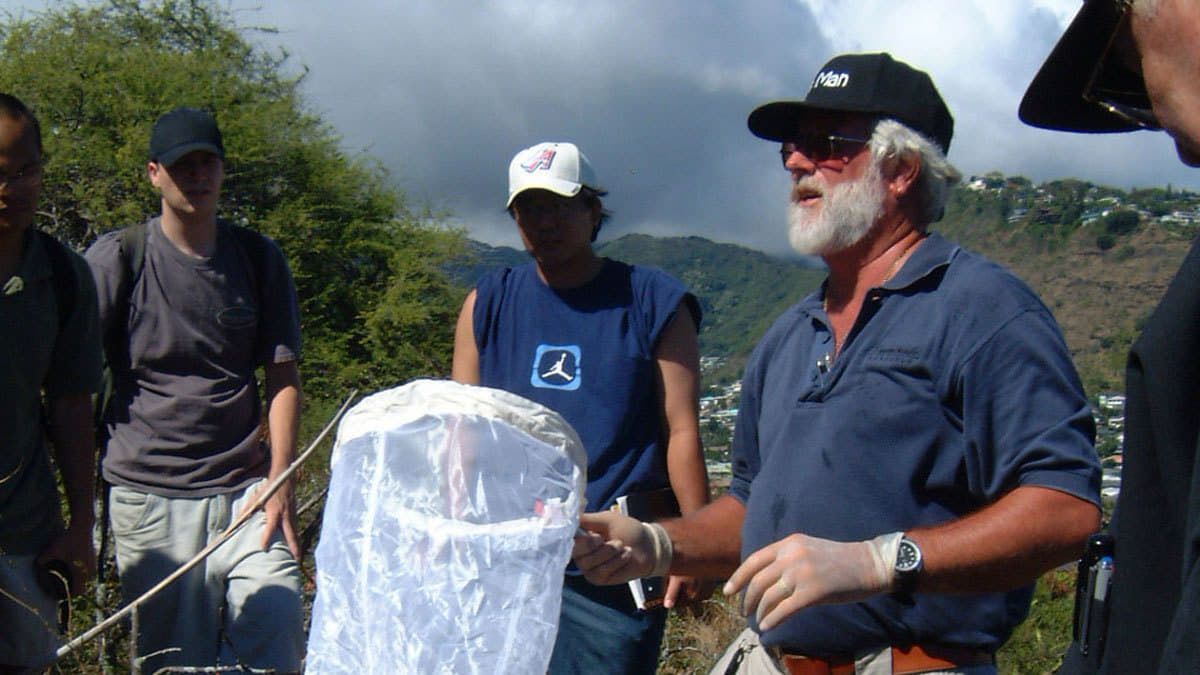 D13
D13Crime Scene CreaturesThey are among the most reliable witnesses to a crime — expert in their testimony and bulletproof in their account. Yet they never utter a single word. They are the animals, plants, and insects that are being recruited by a special breed of forensic scientists to solve the most seemingly impenetrable of crimes.