Ray Heindorf
Skladatel, Herec
25. srpna 1908 — 3. února 1980 (71 let)
From Wikipedia, the free encyclopedia
Ray Heindorf (August 25, 1908 – February 3, 1980) was an American songwriter, composer, conductor, and arranger.
Born in Haverstraw, New York, Heindorf worked as a pianist in a movie house in Mechanicville in his early teens. In 1928, he moved to New York City, where he worked as a musical arranger before heading to Hollywood. He gained his first job as an orchestrator at MGM, where he worked on Hollywood Revue of 1929, and subsequently went on the road playing piano for Lupe Vélez.
After completing this engagement, he joined Warner Bros., composing and/or arranging and conducting music exclusively for the studio for nearly forty years. Heindorf, along with Georgie Stoll at MGM, were jazz aficionados well known in the black entertainment community for employing minority musicians in their studio music departments.
He undertook the musical direction of Judy Garland's comeback film A Star is Born (1954) and made a cameo appearance as himself in the premiere party sequence where Jack Carson's character congratulates him on a great score.
Among Heindorf's other screen credits are 42nd Street, Gold Diggers of 1935, The Great Lie, Knute Rockne All American, Kings Row, Night and Day, Tea for Two, A Streetcar Named Desire, The Jazz Singer, No Time for Sergeants, The Helen Morgan Story, Marjorie Morningstar, Damn Yankees, Auntie Mame, Finian's Rainbow, and his final musical for Jack L. Warner, 1776.
Between 1943 and 1969 he was nominated for eighteen Academy Awards, 17 nominations for Best Score and 1 nomination for Best Song. Heindorf won three, in the category of Best Score of a Musical, for Yankee Doodle Dandy, This is the Army, and The Music Man. His wins for the former two films made him the first to accomplish consecutive wins in a musical category.
Heindorf died in Tarzana, California, aged 71, and reputedly was buried with his favorite conducting baton.
Ray Heindorf (August 25, 1908 – February 3, 1980) was an American songwriter, composer, conductor, and arranger.
Born in Haverstraw, New York, Heindorf worked as a pianist in a movie house in Mechanicville in his early teens. In 1928, he moved to New York City, where he worked as a musical arranger before heading to Hollywood. He gained his first job as an orchestrator at MGM, where he worked on Hollywood Revue of 1929, and subsequently went on the road playing piano for Lupe Vélez.
After completing this engagement, he joined Warner Bros., composing and/or arranging and conducting music exclusively for the studio for nearly forty years. Heindorf, along with Georgie Stoll at MGM, were jazz aficionados well known in the black entertainment community for employing minority musicians in their studio music departments.
He undertook the musical direction of Judy Garland's comeback film A Star is Born (1954) and made a cameo appearance as himself in the premiere party sequence where Jack Carson's character congratulates him on a great score.
Among Heindorf's other screen credits are 42nd Street, Gold Diggers of 1935, The Great Lie, Knute Rockne All American, Kings Row, Night and Day, Tea for Two, A Streetcar Named Desire, The Jazz Singer, No Time for Sergeants, The Helen Morgan Story, Marjorie Morningstar, Damn Yankees, Auntie Mame, Finian's Rainbow, and his final musical for Jack L. Warner, 1776.
Between 1943 and 1969 he was nominated for eighteen Academy Awards, 17 nominations for Best Score and 1 nomination for Best Song. Heindorf won three, in the category of Best Score of a Musical, for Yankee Doodle Dandy, This is the Army, and The Music Man. His wins for the former two films made him the first to accomplish consecutive wins in a musical category.
Heindorf died in Tarzana, California, aged 71, and reputedly was buried with his favorite conducting baton.
Filmy a seriály na Plexu





Známý pro


Filmografie
| 1968 | Finian's Rainbow · as Original Music Composer |
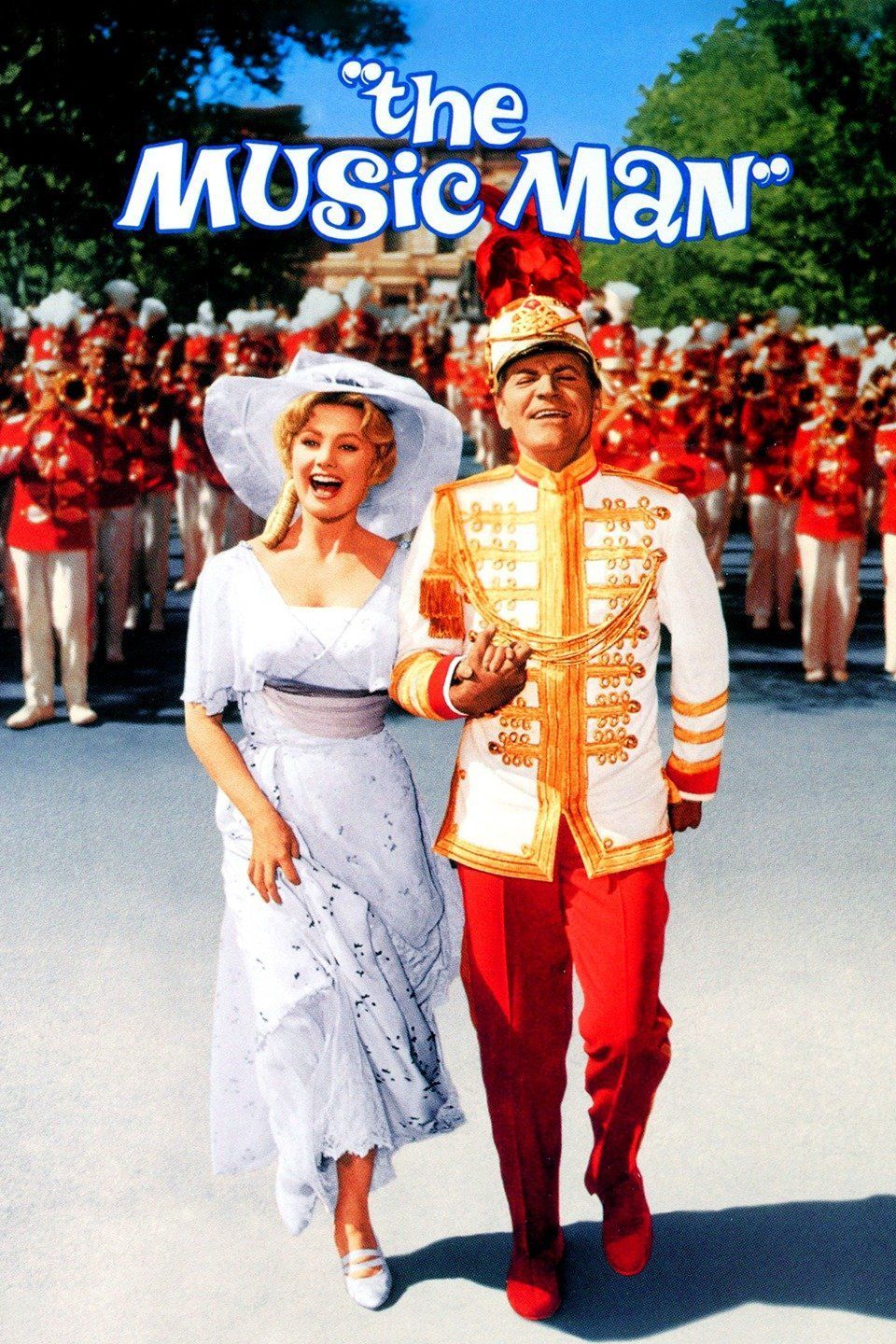
| 1962 | The Music Man · as ComposerNa Plexu |
| 1959 | -30- · as Original Music Composer |
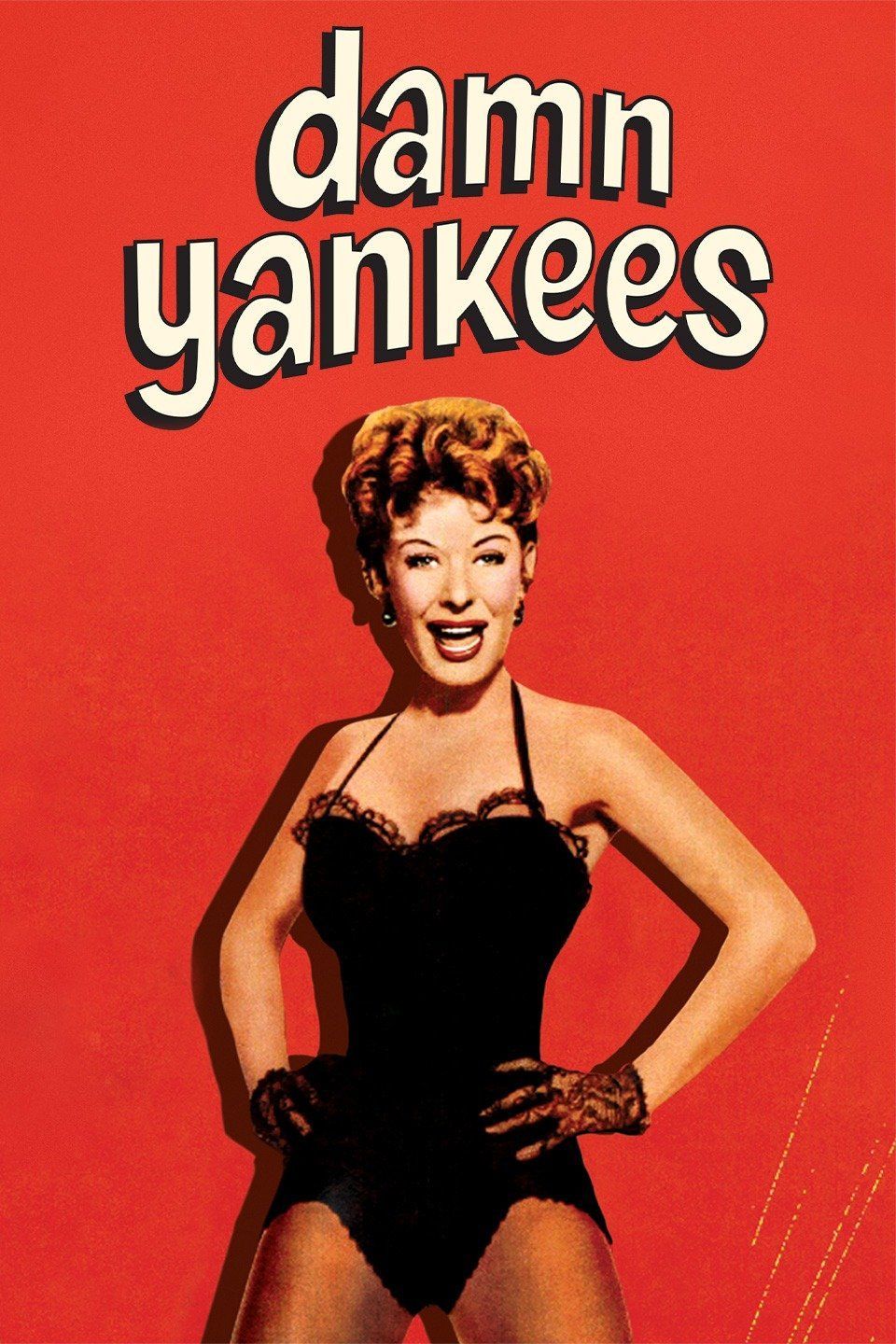
| 1958 | Damn Yankees · as Composer |
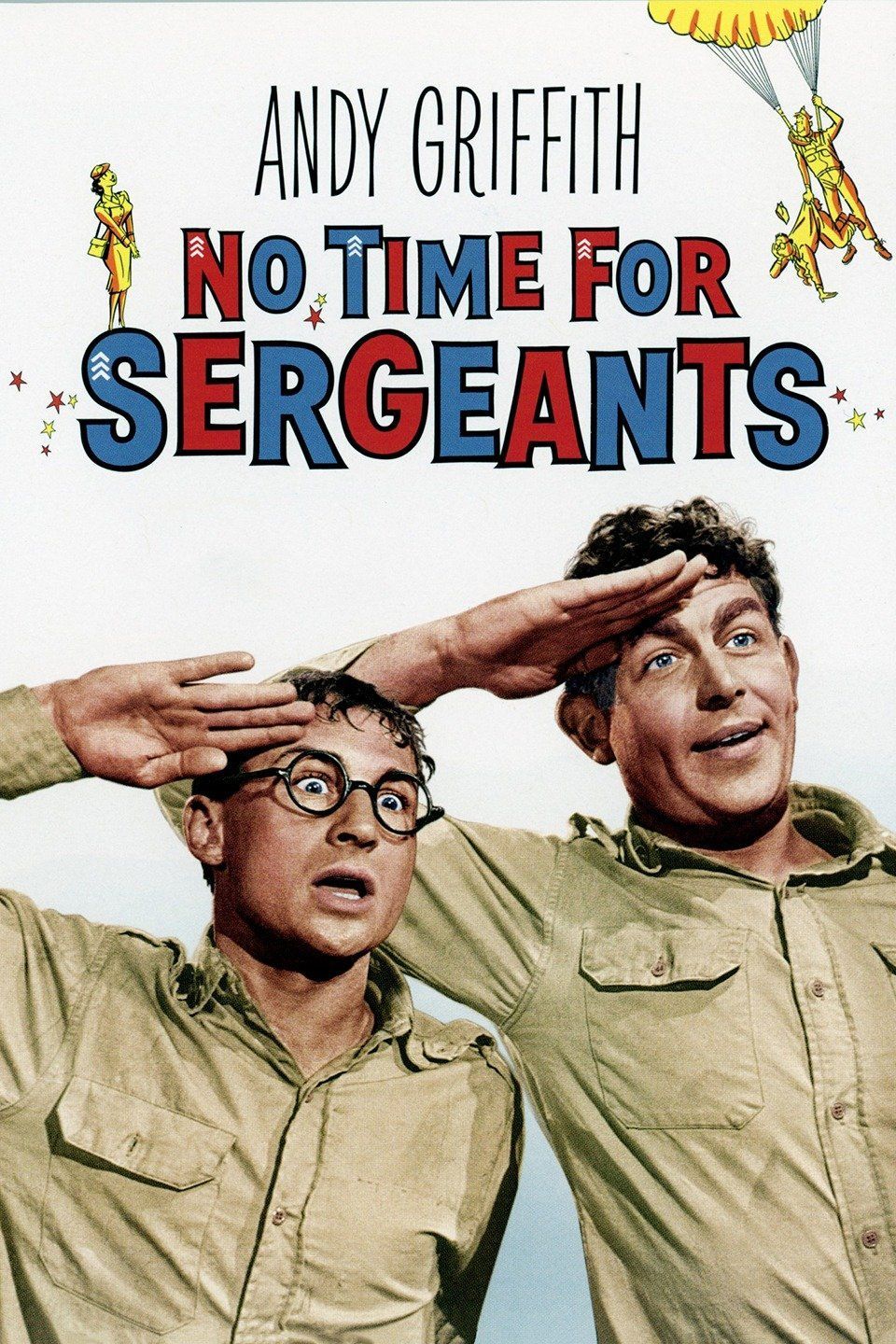
| 1958 | No Time for Sergeants · as Original Music ComposerNa Plexu |
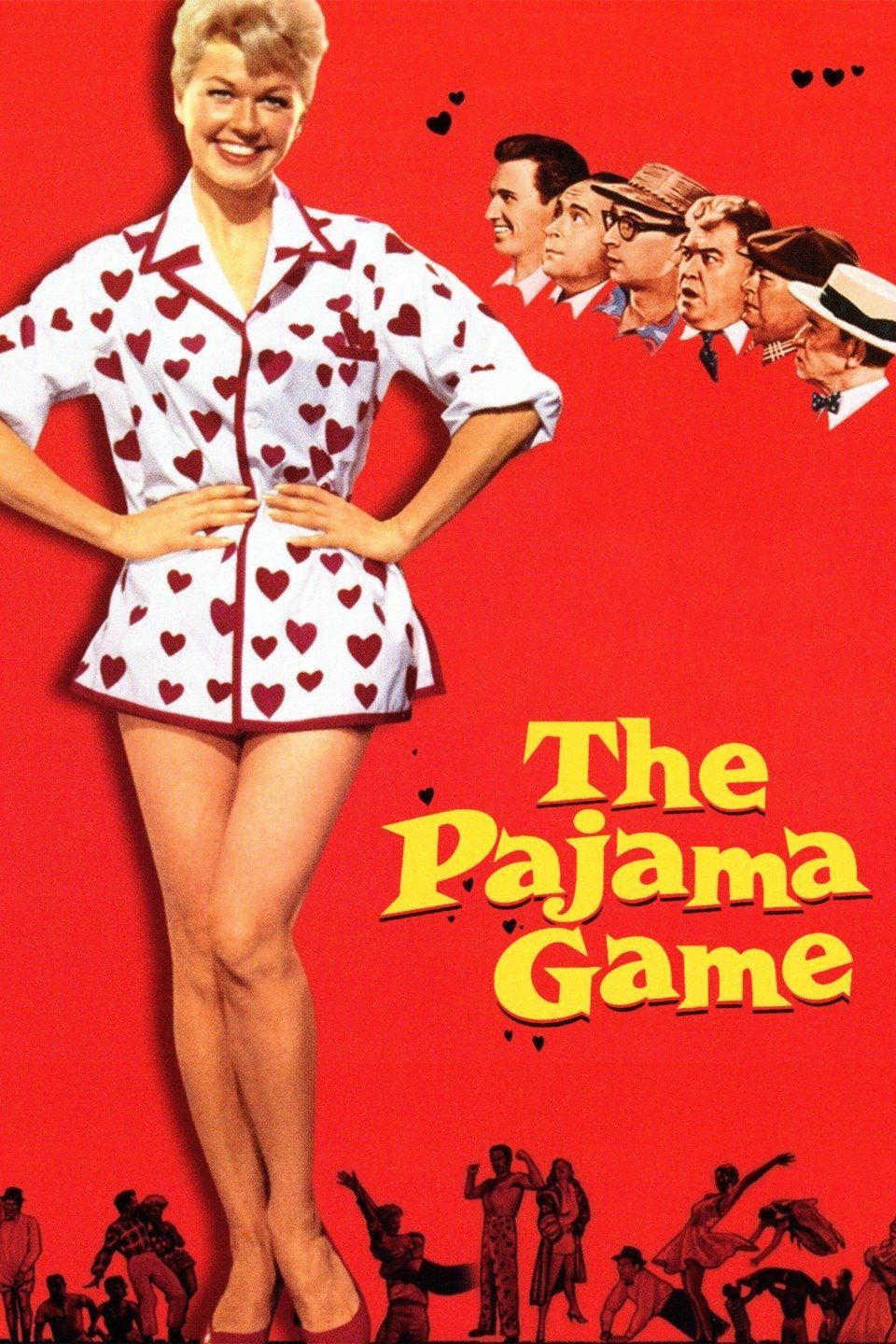
| 1957 | The Pajama Game · as ComposerNa Plexu |
| 1957 | The Helen Morgan Story · as Original Music Composer |
| 1957 | Sugarfoot · as Composer |
| 1957 | The D.I. · as Composer |
| 1956 | |
| 1956 | Serenade · as Original Music Composer |
| 1955 | Sincerely Yours · as Original Music Composer |
| 1955 | Pete Kelly's Blues · as Original Music Composer |
| 1954 | Young at Heart · as Original Music Composer |
| 1953 | Three Sailors and a Girl · as Original Music ComposerNa Plexu |
| 1952 | The Jazz Singer · as Composer |
| 1952 | Stop, You're Killing Me · as Composer |
| 1952 | |
| 1950 | |
| 1949 | |
| 1948 | April Showers · as Original Music Composer |
| 1947 | My Wild Irish Rose · as Original Music Composer |
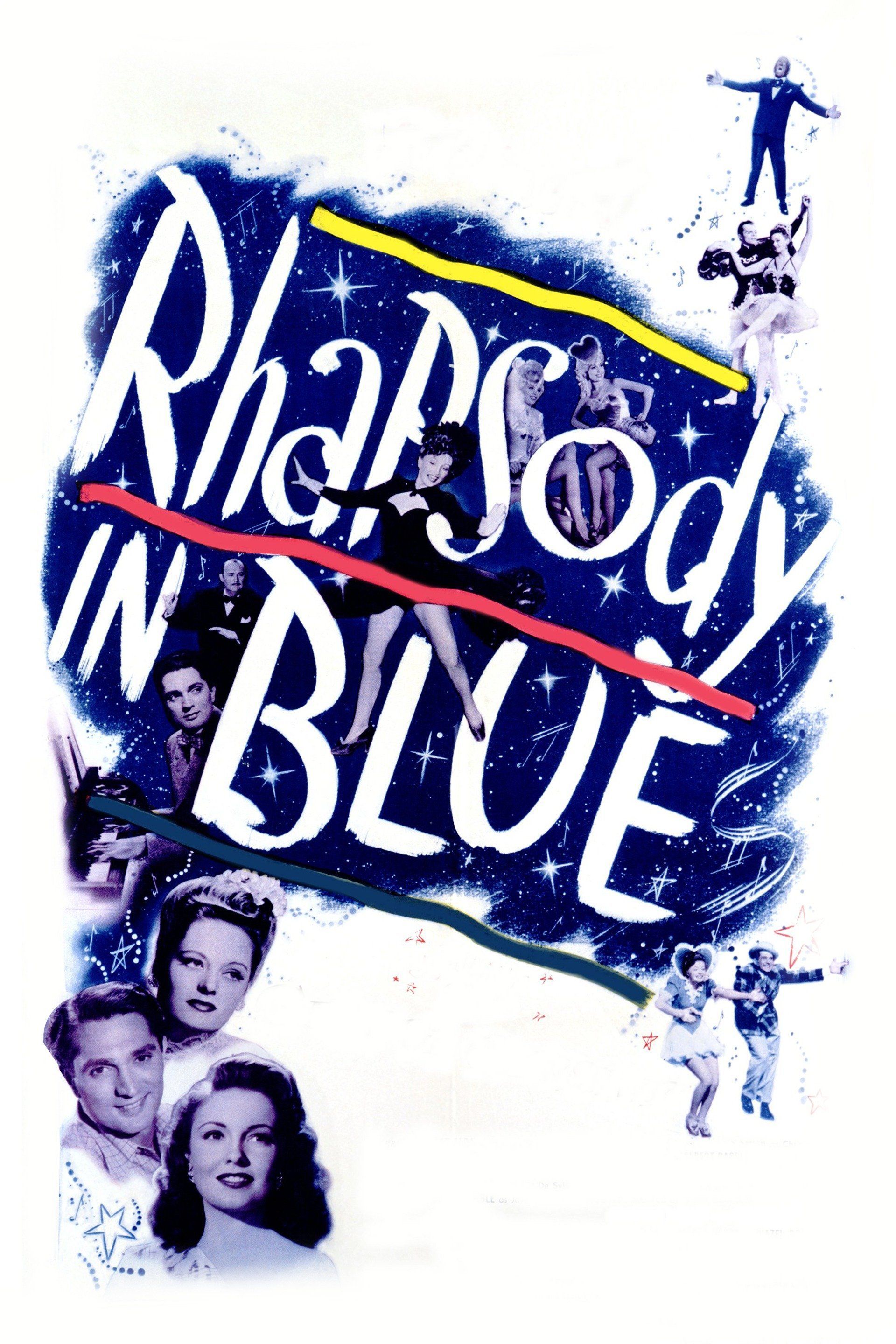
| 1945 | Rhapsody in Blue · as Original Music Composer |
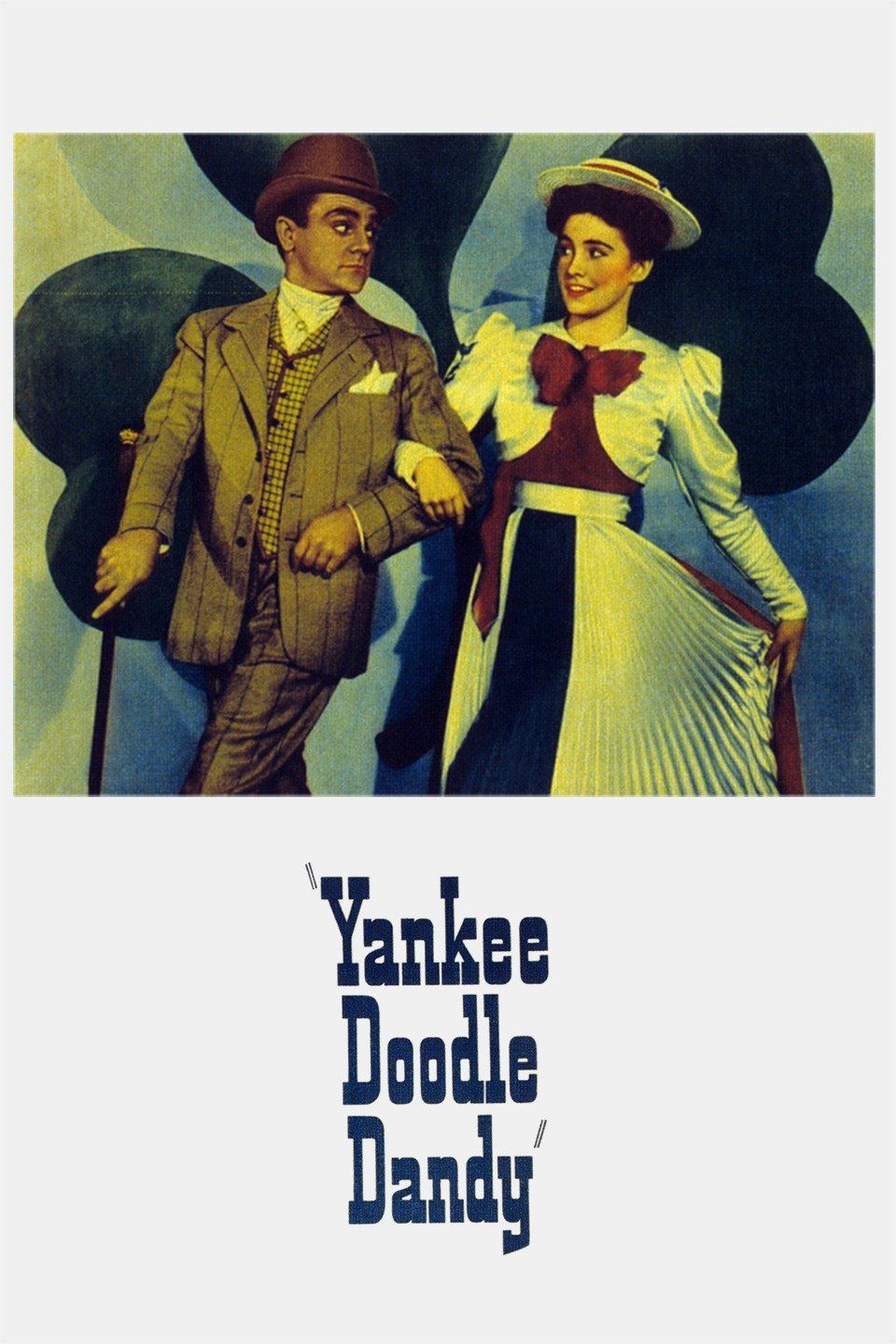
| 1942 | Yankee Doodle Dandy · as Original Music Composer |
| 1940 | |
| 1939 | The Roaring Twenties · as Original Music ComposerNa Plexu |
| 1939 | On Your Toes · as Composer |
| 1939 | Hell's Kitchen · as Composer |
| 1939 | Naughty But Nice · as Composer |
| 1938 | |
| 1938 | Gold Diggers in Paris · as Original Music Composer |
| 1937 | |
| 1937 | Varsity Show · as Composer |
| 1935 | Dangerous · as Original Music Composer |
| 1935 | Broadway Hostess · as Composer |
| 1934 | Murder in the Clouds · as Original Music Composer |
| 1934 | A Lost Lady · as Original Music Composer |
| 1934 | Desirable · as Original Music Composer |
| 1932 | |
| 1932 | Big City Blues · as Original Music Composer |
| 1932 | Crooner · as Original Music Composer |
| 1954 | A Star Is Born · as Movie Premiere Attendee (uncredited)Na Plexu |
| 1953 | She's Back on Broadway · as Orchestra Leader |
| 1951 | Lullaby of Broadway · as Ship's Orchestra Leader |
| 1951 | I'll See You in My Dreams · as Orchestra Leader At Kahn Benefit (uncredited) |
| 1950 | Young Man with a Horn · as Orchestra Leader |
| 1949 | It's a Great Feeling · as Ray Heindorf (uncredited) |
| 1947 | My Wild Irish Rose · as Orchestra Leader In Finale |
| 1950 | The Colgate Comedy Hour · as Self - Orchestrator |
| 1972 | 1776 · as Music Supervisor |
| 1968 | Adam-12 · as Music Supervisor |
| 1959 | The Young Philadelphians · as Music Supervisor |
| 1959 | Up Periscope · as Music Supervisor |
| 1954 | A Star Is Born · as Music DirectorNa Plexu |
| 1954 | Lucky Me · as Music Director |
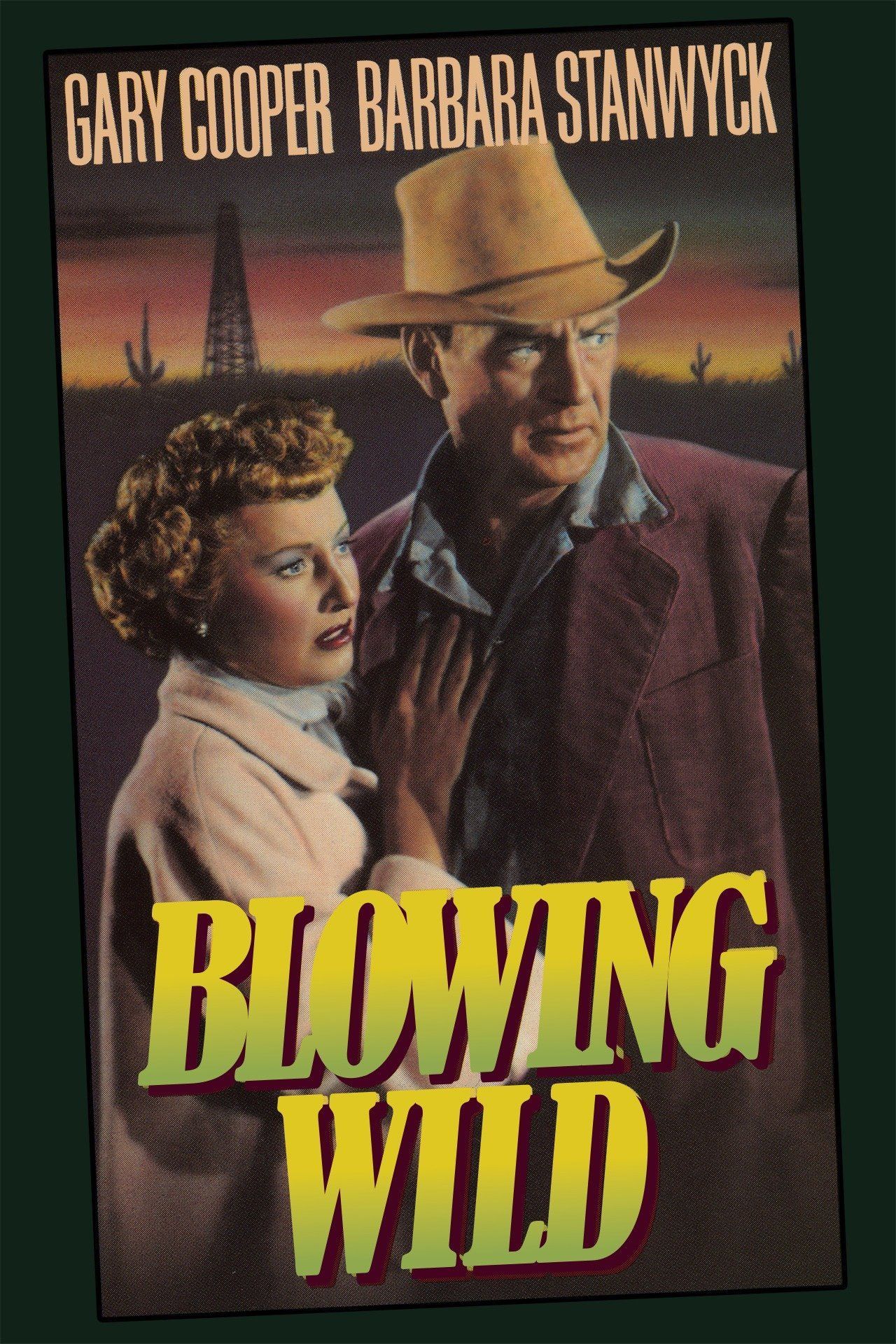
| 1953 | Blowing Wild · as Music DirectorNa Plexu |
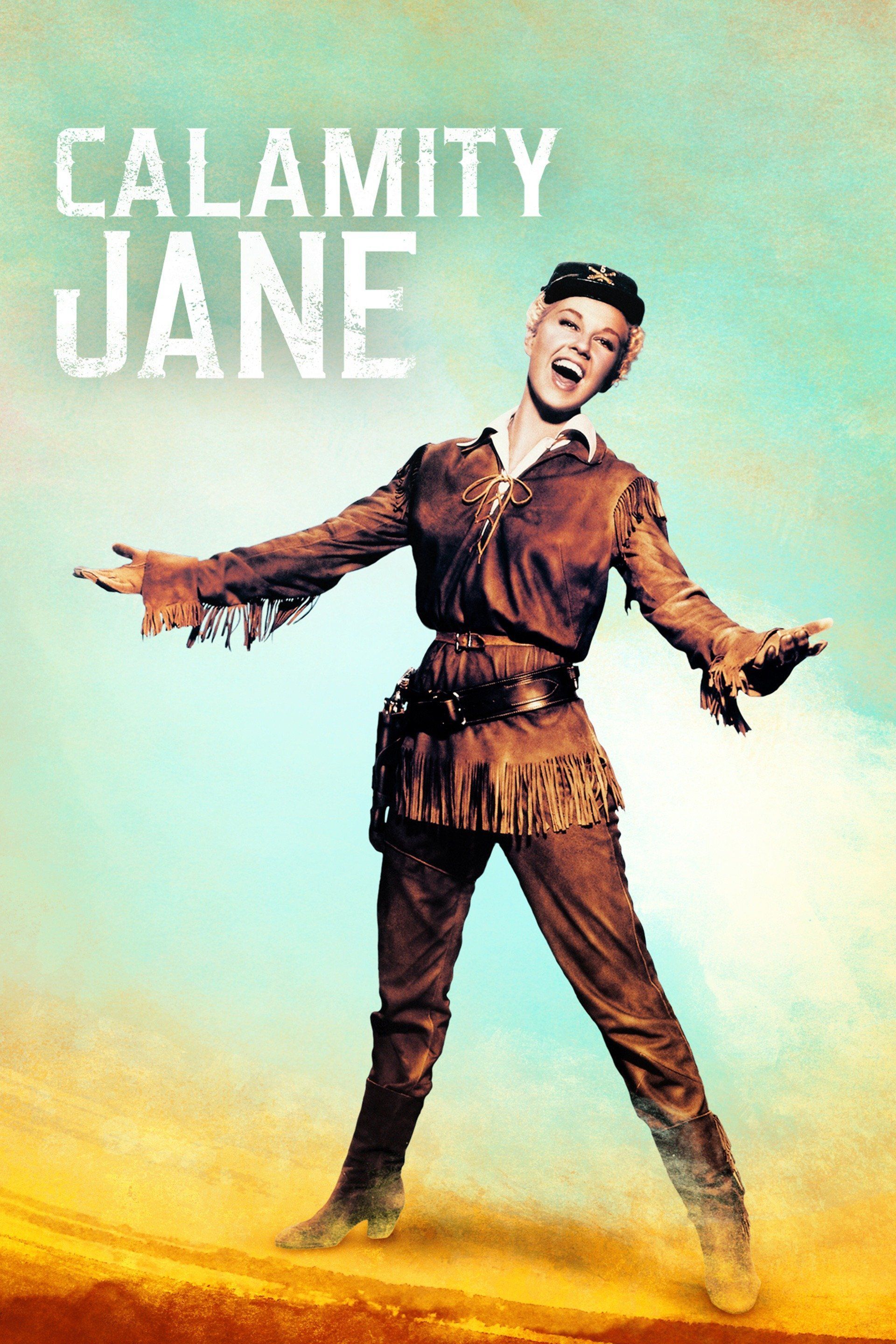
| 1953 | Calamity Jane · as Music Director |
| 1953 | By the Light of the Silvery Moon · as Music Director |
| 1953 | I Confess · as Music Director |
| 1952 | April in Paris · as Music Director |
| 1952 | The Big Trees · as Music DirectorNa Plexu |
| 1951 | Lullaby of Broadway · as Music Director |
| 1951 | I'll See You in My Dreams · as Music Director |
| 1951 | Come Fill the Cup · as Music Director |
| 1951 | A Streetcar Named Desire · as Music Director |
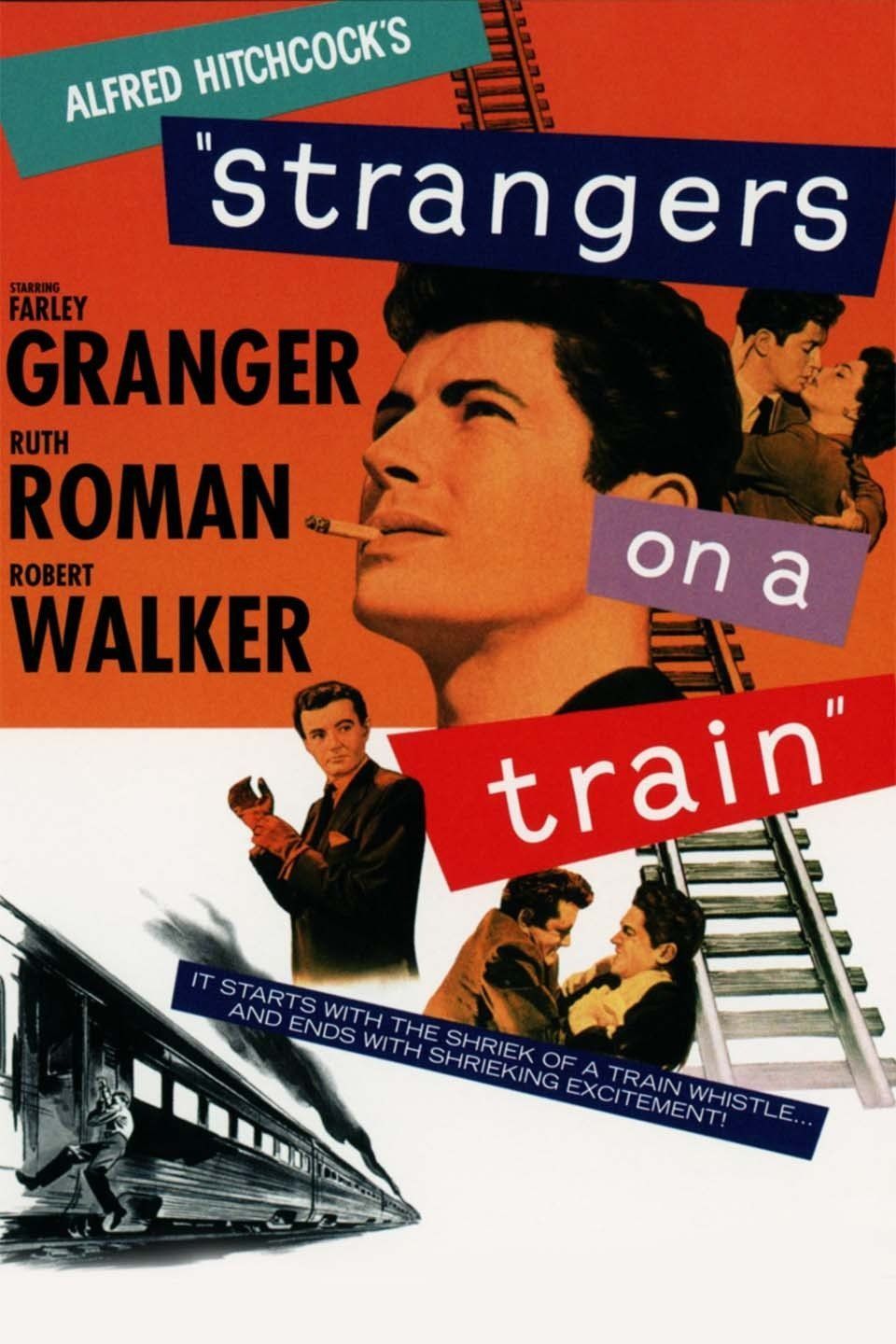
| 1951 | Strangers on a Train · as Music DirectorNa Plexu |
| 1951 | Goodbye, My Fancy · as Music Director |
| 1950 | Storm Warning · as Music Director |
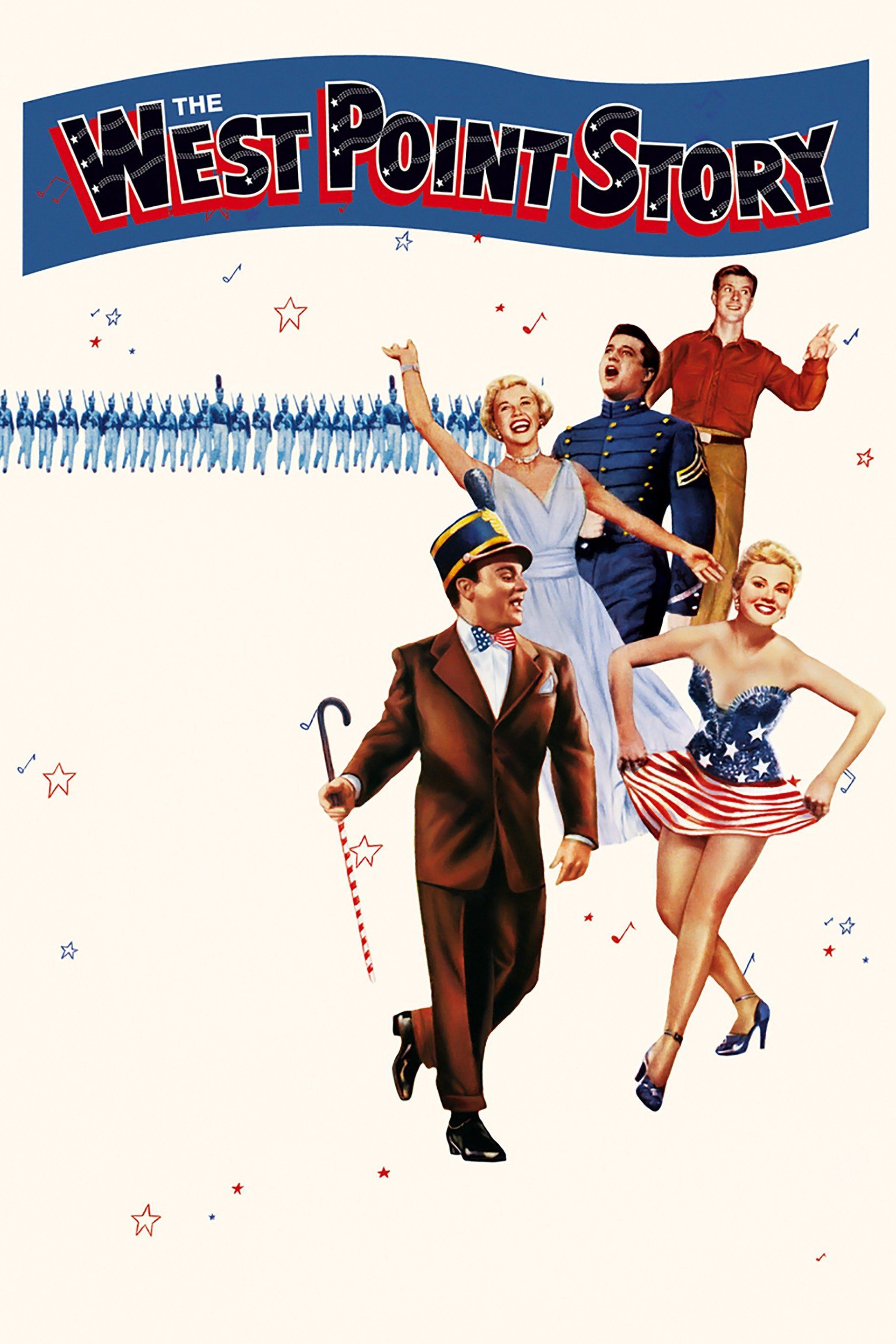
| 1950 | The West Point Story · as Music Director |
| 1950 | Tea for Two · as Music Director |
| 1950 | The Damned Don't Cry · as Music Director |
| 1950 | The Daughter of Rosie O'Grady · as Music Director |
| 1950 | Backfire · as Music Director |
| 1948 | Adventures of Don Juan · as Music Supervisor |
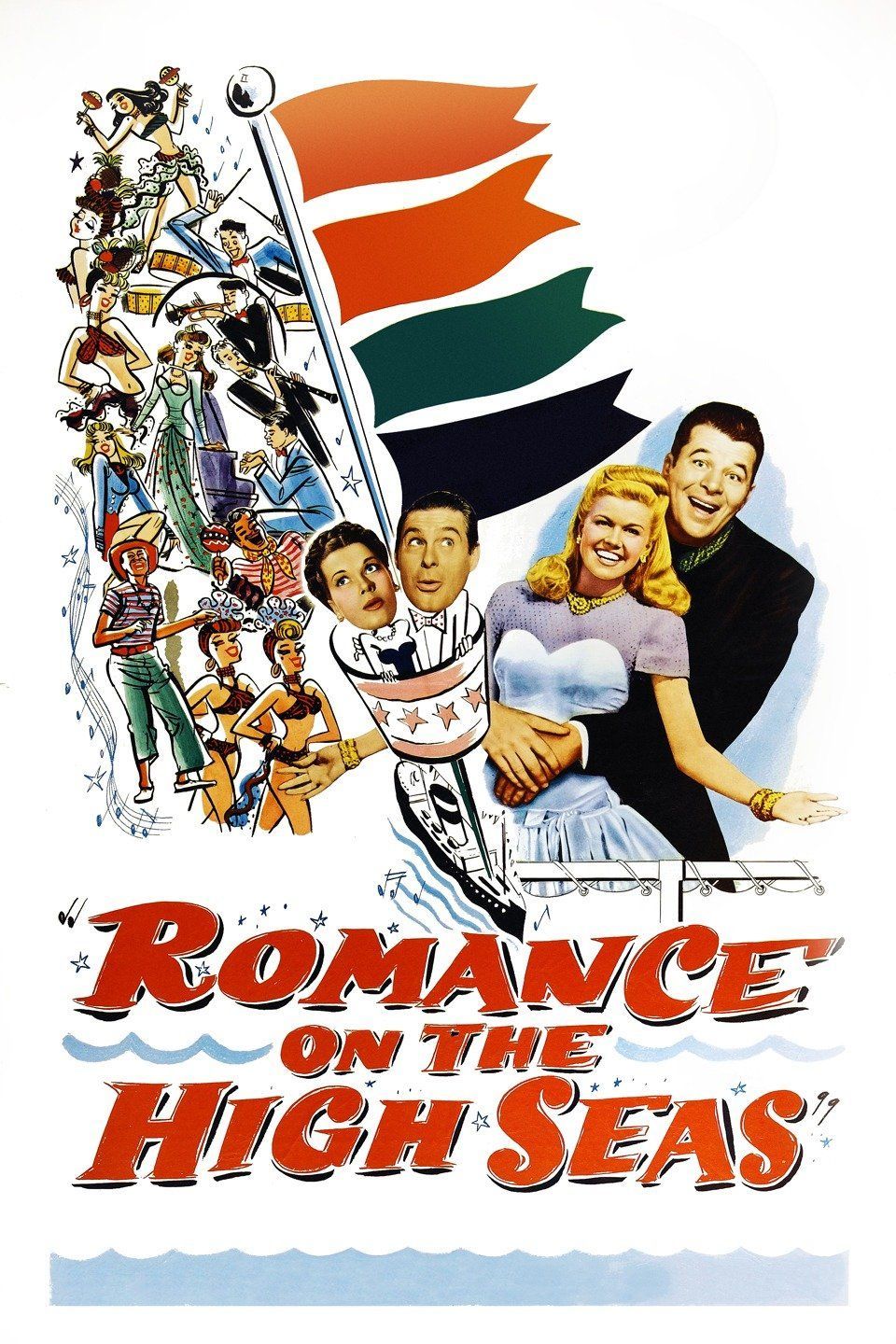
| 1948 | Romance on the High Seas · as Orchestrator |
| 1947 | Love and Learn · as Music Arranger |
| 1946 | The Man I Love · as Music Arranger |
| 1946 | Cinderella Jones · as Orchestrator |
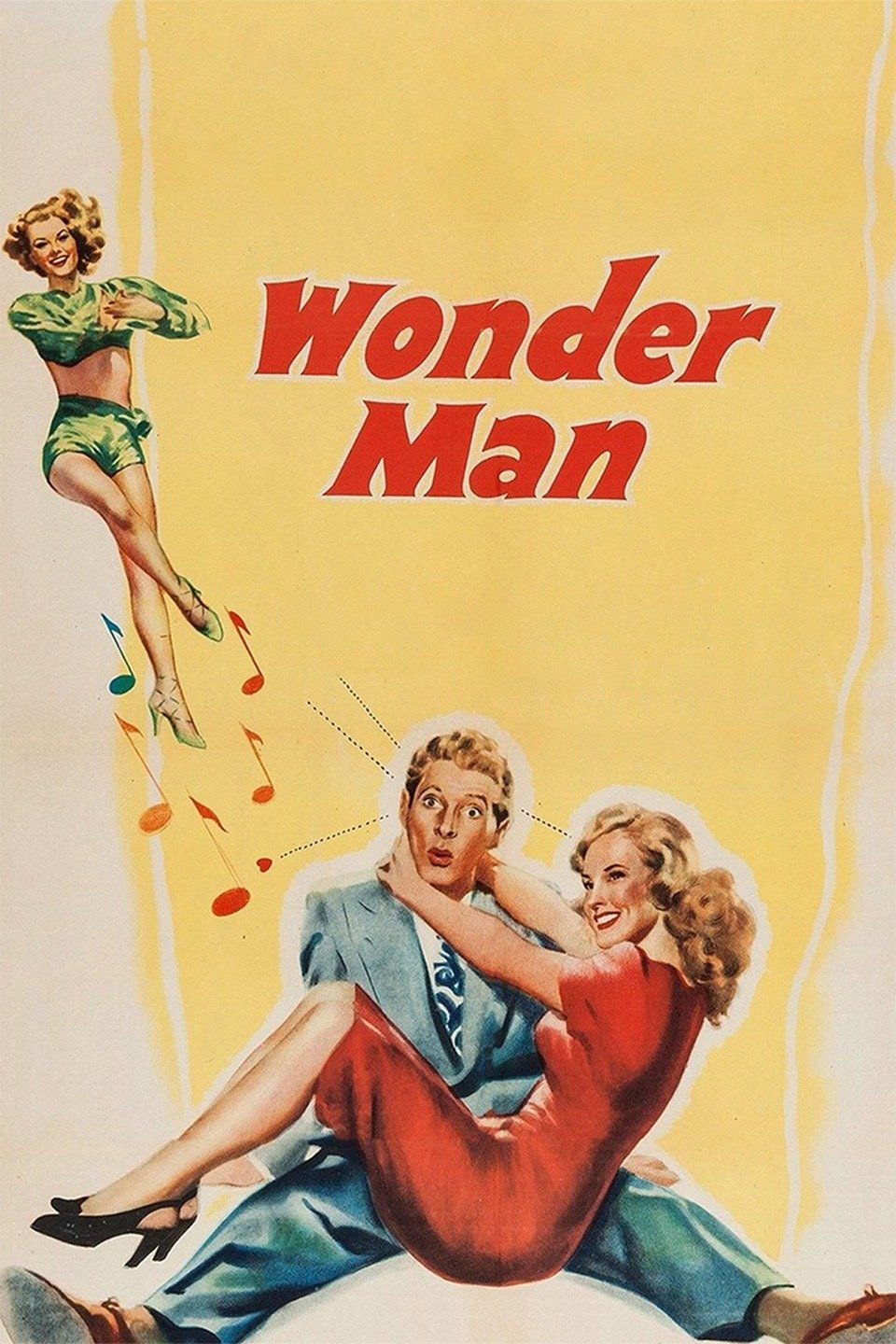
| 1945 | Wonder Man · as OrchestratorNa Plexu |
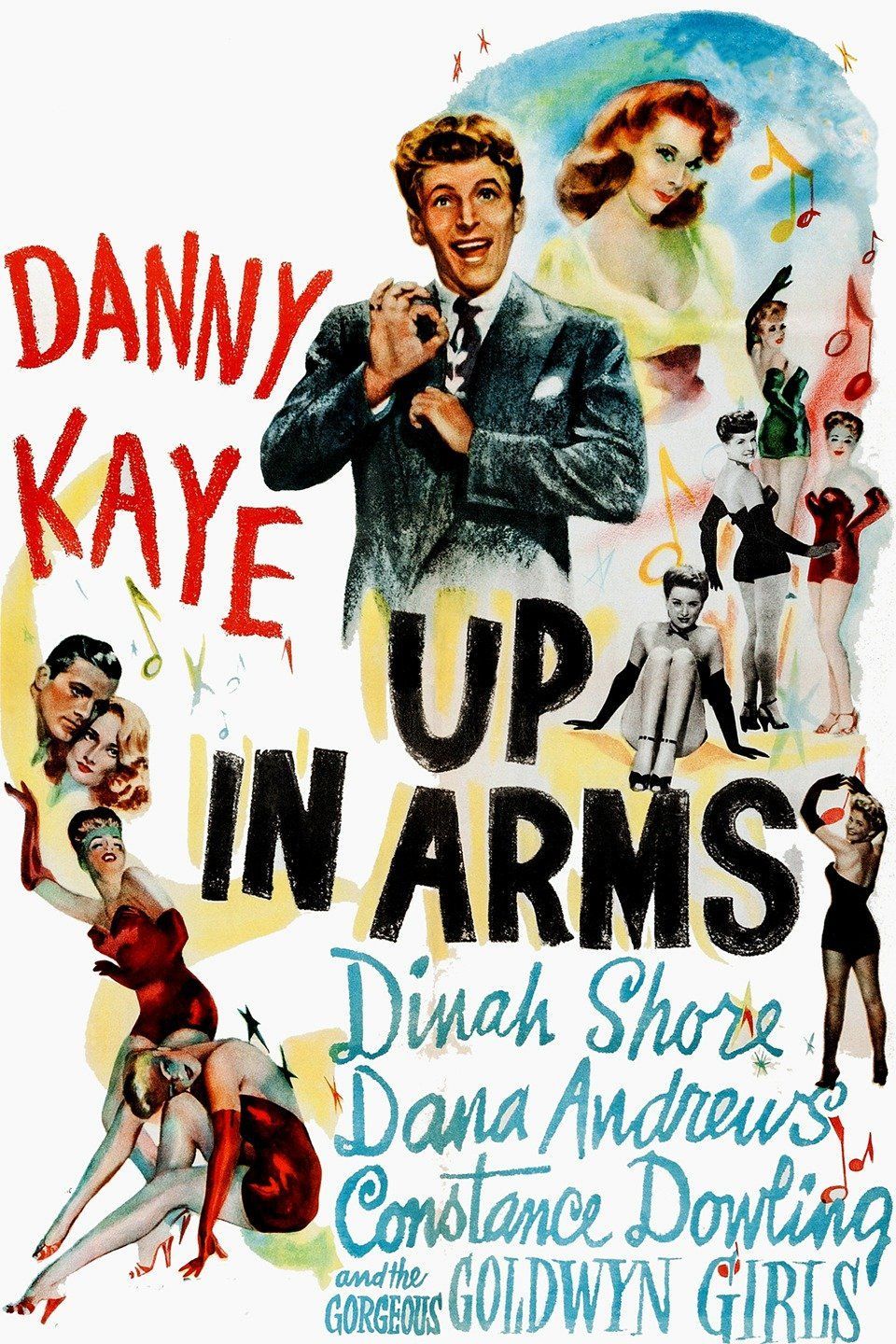
| 1944 | Up in Arms · as Music ArrangerNa Plexu |
| 1943 | Thank Your Lucky Stars · as Orchestrator |
| 1943 | The Hard Way · as Music Arranger |
| 1942 | Gentleman Jim · as Orchestrator |
| 1942 | The Male Animal · as Orchestrator |
| 1941 | Affectionately Yours · as Orchestrator |
| 1941 | The Great Lie · as Orchestrator |
| 1941 | The Sea Wolf · as Music Arranger |
| 1941 | The Strawberry Blonde · as Orchestrator |
| 1941 | Flight from Destiny · as Music Arranger |
| 1941 | Honeymoon for Three · as Orchestrator |
| 1941 | Four Mothers · as Orchestrator |
| 1940 | Knute Rockne All American · as Orchestrator |
| 1940 | The Man Who Talked Too Much · as Orchestrator |
| 1940 | Castle on the Hudson · as Music Arranger |
| 1939 | Invisible Stripes · as Orchestrator |
| 1939 | Four Wives · as Orchestrator |
| 1939 | Angels Wash Their Faces · as Orchestrator |
| 1939 | Daughters Courageous · as Orchestrator |
| 1938 | Men Are Such Fools · as Orchestrator |
| 1937 | Ready, Willing and Able · as Music Arranger |
| 1936 | Stage Struck · as Music Arranger |
| 1936 | The Singing Kid · as Music Arranger |
| 1936 | Colleen · as Music Arranger |
| 1935 | Broadway Gondolier · as Music Arranger |
| 1935 | Alibi Ike · as Orchestrator |
| 1935 | Go Into Your Dance · as Orchestrator |
| 1935 | Gold Diggers of 1935 · as Music Arranger |
| 1935 | Sweet Music · as Music Arranger |
| 1934 | Flirtation Walk · as Music Arranger |
| 1934 | Bulldog Drummond Strikes Back · as Orchestrator |
| 1934 | Fashions of 1934 · as Music Arranger |
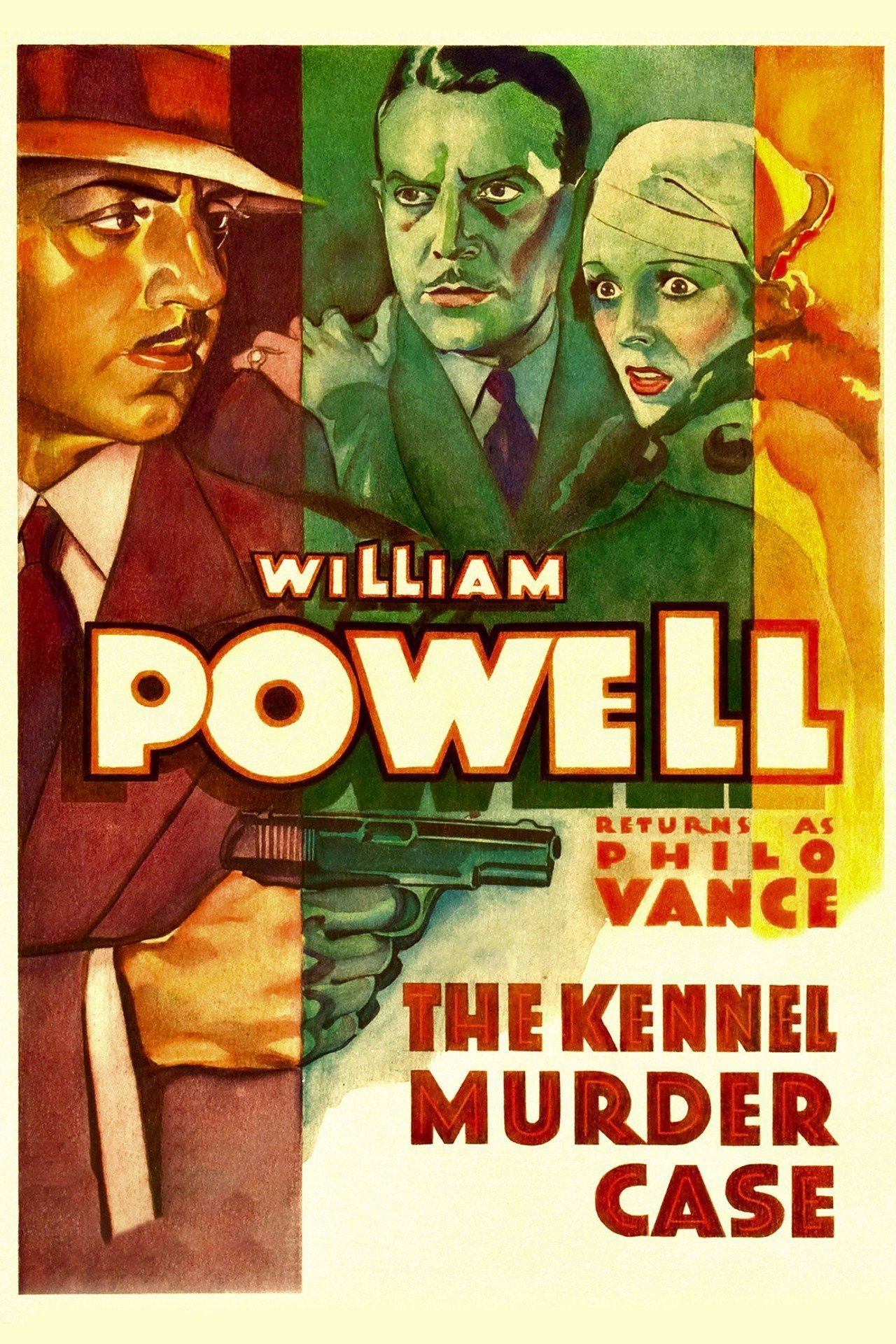
| 1933 | The Kennel Murder Case · as OrchestratorNa Plexu |
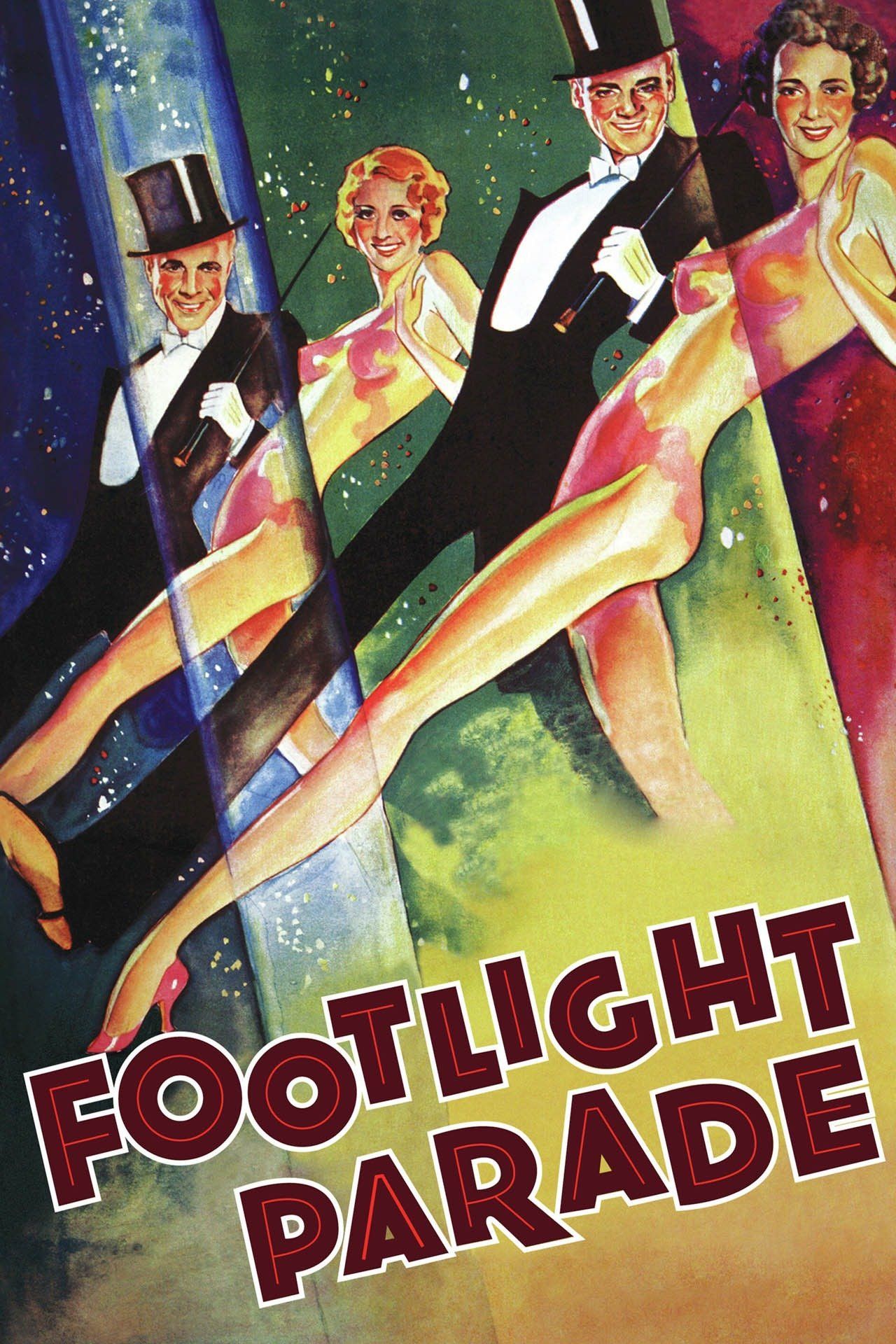
| 1933 | Footlight Parade · as Music ArrangerNa Plexu |
| 1933 | Gold Diggers of 1933 · as Music Arranger |
| 1933 | Secrets · as Orchestrator |
| 1933 | 42nd Street · as Music Arranger |
| 1933 | Hallelujah I'm a Bum · as Orchestrator |
| 1932 | Three on a Match · as Music Arranger |
| 1932 | The Greeks Had a Word for Them · as Orchestrator |
| 1931 | Arrowsmith · as OrchestratorNa Plexu |