






- Charles London27. dubna 2025I normally love Criterion Collection films. This one is a rare exception. While it is undoubtedly a noble expression of cinematic art, not all art speaks to everyone the same way. I just might give it another try someday (or perhaps one of Ozu's other films) but until then, I will just have to hang my head in shame and ponder my inexcusable inability to appreciate a highly-regarded classic.
- CrossCutCritic7. května 2025Late Spring The Love That Lets Go and Is Left Behind “To love at all is to be vulnerable… If you give your heart away, it will be broken.” — C.S. Lewis --- I. To You, Who Gave Someone Everything They Needed… and Then Watched Them Leave Without Turning Back You didn’t ask to be a martyr. You just wanted to share the quiet with someone who understood it. But when the moment came, you told them to go. Smiled through it. Lied, if you had to. Not for yourself. For them. This is your story. Late Spring is not about marriage. It is about the ache of giving someone freedom you wish they didn’t want. Noriko doesn’t want to leave. She is happy. Present. Whole. Her joy is bound to her father in a home shaped by laughter and quiet routines. But her father tells her he will remarry. Not because it’s true— but because it is the only lie that will release her. She believes him. She marries. She leaves. And in that final act of departure, the father is left not with relief, but with silence. This is not a parable of success. It is a liturgy of hidden loss. The father’s sacrifice is not praised. Noriko’s love is not recovered. There is no reunion, no redemptive arc. Only an empty room. And an old man peeling an apple in the shape of a cross. If you have ever loved someone enough to disappear from their life— not because they asked, but because you believed they’d never ask— then you already know the gospel of Late Spring. It is not triumph. It is not fulfillment. It is the holiness of love that leaves, so that someone else can stay. II. The Lie That Saves It was only a sentence. “I’m going to remarry.” He said it calmly. Almost casually. And in that moment, he became a man who chose to be misunderstood in order to set someone else free. This is not manipulation. It is sacrifice—cruciform, quiet, and unthanked. Because Shūkichi knows his daughter will never leave him unless she believes he no longer needs her. And so he gives her that lie— not to protect himself, but to give her permission to walk away without guilt. It is a strange sort of mercy. The kind that wounds the one who offers it. The kind that goes unnoticed until it is too late to thank them. The kind that echoes Calvary more than any altar ever could. He does not cry when she goes. He does not beg her to stay. He folds the lie into silence and lives with the absence it creates. There is no resolution. No revelation. Only the weight of having done the right thing at the cost of everything he wanted. If you have ever borne the burden of letting someone believe something false so they could live more freely— not for deceit, but for love— then you understand this man. This is not the gospel of glory. It is the gospel of letting go. And letting go, in Ozu’s world, is never without grief. But sometimes, it is the only way we can love someone without making them choose us. III. The Smile That Conceals the Cross Noriko smiles. She smiles through every awkward conversation, every gentle push toward marriage, every moment she is slowly being asked to disappear. And that smile—radiant, effortless, loyal— becomes her offering. She is not naïve. She is not weak. She knows what she’s losing. She simply chooses not to make others carry the weight of it. That, too, is a cross. We think of crucifixion as agony. But what if it sometimes looks like obedience? What if it wears a soft face, bows its head, and agrees to leave the room so someone else can feel righteous? Noriko is not given a voice. Not truly. Everyone speaks for her future, decides for her flourishing. And in the end, she nods, and walks the path they laid out for her. This is not submission to patriarchy. This is submission to love— a love that’s been misnamed, misplaced, but still, somehow, sincere. She is not free. But she is faithful. Not to the system, but to the father who lied to give her a reason to leave. And that is the tragedy: they both perform a kindness the other didn’t want, because neither one could say the thing they truly felt. If you’ve ever walked away smiling so someone else wouldn’t hurt— even when your heart was breaking— you already know Noriko’s crucifixion. It is not loud. It is not honored. But it is holy. IV. The Room Left Behind She is gone. And the house is still. No dramatic breakdown. No collapse. Just an old man sitting in the quiet, remembering a life that no longer includes her laughter. This is the cost of love when it does not call attention to itself. Not rage. Not despair. Just stillness. And in that stillness—grace. Because Ozu does not pity Shūkichi. He reveres him. The final image says everything: a hand peeling an apple, slowly, the skin unbroken, the fruit untouched. A daily gesture transformed into a sacrament of grief. This is not sentimentality. This is liturgy. The kind performed alone, for no one’s eyes but heaven’s. The cross appears here, not in crucifixion, but in the silence that follows sacrifice. Shūkichi is not celebrated. He is not rescued. He simply remains— the one who gave everything, and now has nothing to share it with. And still, he peels the apple. Not out of habit, but out of memory. Not because it will be eaten, but because she once laughed when he did it. If you’ve ever gone back to an empty room, still expecting to hear a voice that is no longer there— if you’ve performed love’s rituals long after the loved one has left— then you understand this father. This is the room the cross leaves behind. V. A Gospel of Quiet Surrender This is not the gospel of victory. This is not the gospel of healing. This is the gospel of a love that gives itself away and is never claimed again. No one in Late Spring wins. Noriko doesn’t blossom. Her father doesn’t rejoice. There is no last-minute reversal, no embrace on the train platform, no “I love you” finally spoken aloud. Only absence. Only silence. Only the sacred ache of having done what felt right, even when it tore you in two. And maybe that’s the closest we ever get to Christ in a world like this: Not the risen Savior, but the man of sorrows, acquainted with grief. The father who lies in love. The daughter who smiles in surrender. Both walking away from what they wanted, so the other might live without guilt. Late Spring does not resolve. It abides. In the tea left undrunk. In the footsteps that echo after the door closes. In the apple, half-peeled, in the hands of a man who no longer knows what to do with his love. If you’ve ever let go before you had to— if you’ve loved someone more than they knew, and helped them leave you so they wouldn’t feel trapped— then this story is yours. And the God who watches quietly from behind the paper screen, who neither interrupts nor applauds, says only this: “I saw you. It was enough.”
- PoetofCinema13. října 2025Now, this film was a great one just like my favorite film ever from Ozu and in general Tokyo Story. I didn’t quite believe Late Spring wasn’t as good as Tokyo Story but still a dazzling piece of cinema. Setsuko Hara and Chishū Ryū are in both films and I think they did decent jobs as the actors of the pieces. The story of Late Spring, from what I watched, is like a novel by Yasunari Kawabata. This is a movie and tale about a young Japanese woman Noriko who doesn’t want to be married but is peer pressured into doing so by people in her life. In the end, she is put into the position that she resisted but learned to deal with it. In my opinion, that is quite the lesson for people in life: learn to accept what you don’t want to do and you will get used to it. Or I may be interpreting the film wrong as the situation that she is into is merely unjustifiable and sad. In other terms, it is a fine movie. I love Yasujirō Ozu and for the people who will want to know about Ozu, definitely watch Tokyo Story and Late Spring and his other masterpieces. You will be amazed. Anyway, that is my stance on Yasujirō Ozu’s lovely film I watched.


Získat Plex na Vaše zařízení
Zdarma na 20+ platformách. Vyberte tu svou.Pozdní jaro Trivia
Pozdní jaro byl vydán 13. září 1949.
Pozdní jaro byl režírován Yasujirō Ozu.
Pozdní jaro je dlouhý 1 h 47 m.
Pozdní jaro byl produkován Takeshi Yamamoto.
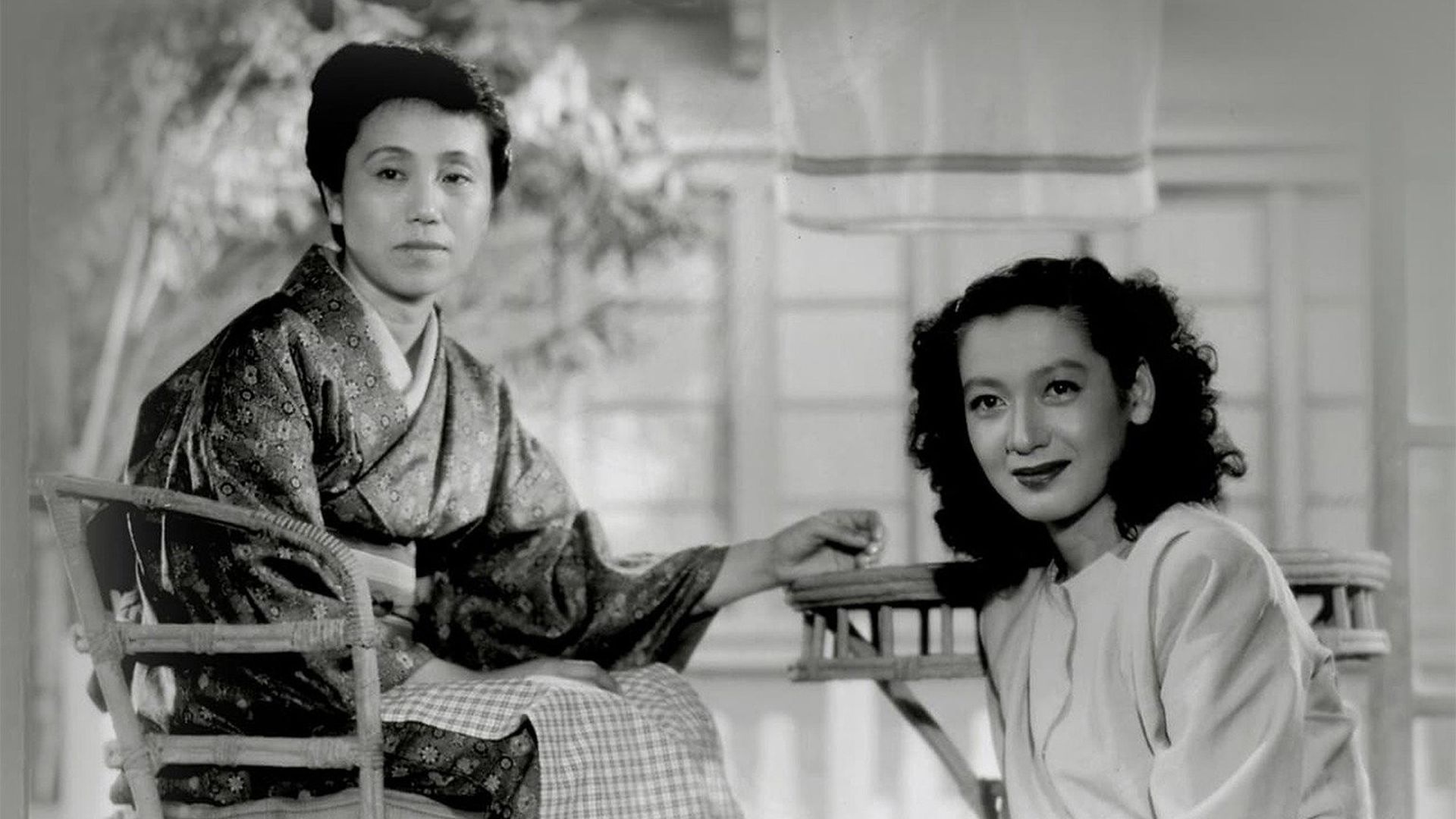
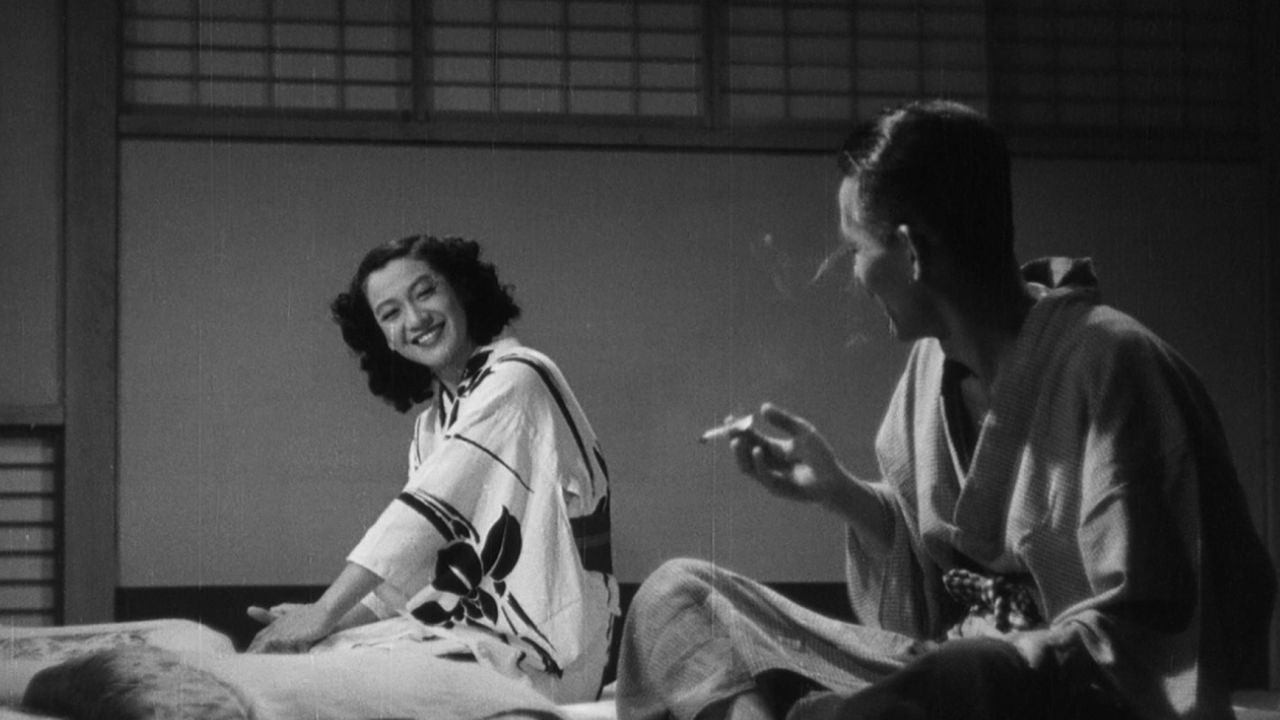
Mladá Noriko se příkladně stará o svého starého otce. Příbuznými je ale přemlouvána k tomu, aby se řádně vdala a měla již vlastní rodinu. Noriko svatbu ale odmítá s poukazem na nutnost péče o otce. ke svatbě nakonec dojde pod laskavou otcovou domluvou, který se po svatbě vrátí do opuštěného domu... Tento snímek je v Ozuově filmografii asi nejvíce zaměřen na konfrontaci tradičních japonských hodnot s moderní společností a liberálním pojetím rodiny.
Klíčové postavy v Pozdní jaro jsou Shukichi Somiya (Chishū Ryū), Noriko Somiya (Setsuko Hara), Aya Kitagawa (Yumeji Tsukioka).
Pozdní jaro je hodnocen Not Rated.
Pozdní jaro je film s žánrem Drama, Komedie.
Pozdní jaro má hodnocení diváků 9.2 z 10.
Pozdní jaro vydělal v kinech 19 681 US$.