
Dopisy mrtvého
Kde se dívat na Dopisy mrtvého









- Garrett Wilkins16. července 2026Closing out my own unofficial tetralogy of films exploring nuclear devastation, Dead Man's Letters proved to be the most introspective of the group. Rather than focusing on the mechanics of catastrophe or the events leading up to it, Konstantin Lopushansky turns his attention to what remains afterward, exploring profound moral and philosophical questions through an atmosphere of almost suffocating decay. Although the film ostensibly takes place in an unidentified Western city, I couldn't help but feel Lopushansky was crafting a warning for Soviet audiences in much the same way American and British filmmakers had done for their own, using nuclear devastation to confront his countrymen with the consequences of the unthinkable. The film's haunting visual style creates a world that feels suspended between life and death, where every frame seems consumed by the weight of what has already been lost. I appreciated seeing a film that was less concerned with documenting the disaster itself than with reflecting on what survives beyond it. What ultimately kept me from fully embracing the film was that its philosophical ambitions occasionally overshadowed its storytelling. I admired nearly every question it raised, but there were stretches where the symbolism and lengthy conversations created more distance than emotional momentum. I'll also admit that I was limited by my own perspective as an American. The film's distinctly Soviet atmosphere and worldview sometimes made it difficult for me to fully grasp everything Lopushansky was communicating, but I connected with it enough to understand just how devastating and relentlessly bleak his vision of nuclear aftermath truly is. I found myself thinking about the film's ideas more than becoming invested in its narrative. Dead Man's Letters still succeeds at what it sets out to do, even if it doesn't leave quite the same emotional impact. It offered a perspective unlike anything else I encountered, and I came away respecting its willingness to explore the human condition after unimaginable tragedy rather than simply the tragedy itself.

Získat Plex na Vaše zařízení
Zdarma na 20+ platformách. Vyberte tu svou.Dopisy mrtvého Trivia
Dopisy mrtvého byl vydán 15. září 1986.
Dopisy mrtvého byl režírován Konstantin Lopushansky.
Dopisy mrtvého je dlouhý 83 m.
Dopisy mrtvého byl produkován Yuri Golynchik, Raisa Proskuryakova.
Hollywoodsky nepřikrášlený obraz Země po nukleární katastrofě nabízí slavné ruské sci-fi natočené nejbližším spolupracovníkem Andreje Tarkovského. Povrch planety je zcela neobyvatelný a zpustošený, v lépe či hůře vybavených krytech živoří zbytky populace, zatímco armádní vedení stále vydává příkazy jednotkám v podzemních pevnostech a obrněných transportérech. Lidé umírají po tisících na následky ozáření a strádání a ti přeživší ztrácejí ve jménu přežití jakoukoli morálku. Hlavní hrdina, vědec Larsen, obětuje svou šanci na záchranu ve prospěch skupinky dětí, které lékař z hlavního krytu neuznal za hodné záchrany. Po smrti starého muže přebírá psaní jeho deníku nejstarší dítě a celá dětská skupina se vydává zničenou krajinou hledat nový život.
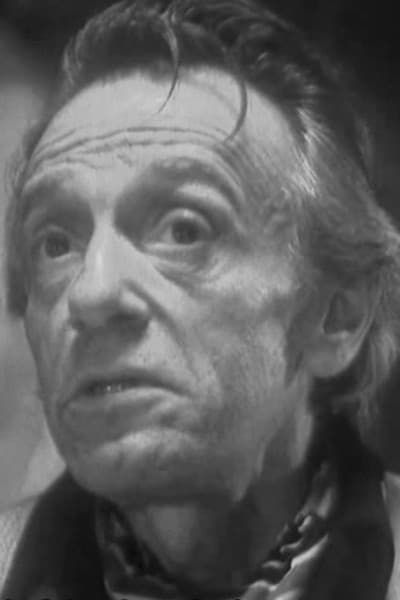
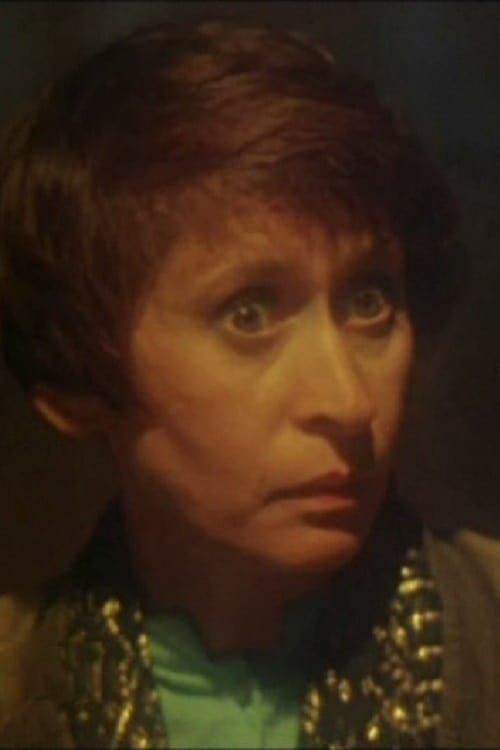
Klíčové postavy v Dopisy mrtvého jsou Professor Larsen (Rolan Bykov), Pastor (Vatslav Dvorzhetsky), Anna (Vera Mayorova).
Dopisy mrtvého je film s žánrem Vědeckofantastický, Drama.
Dopisy mrtvého má hodnocení diváků 9.1 z 10.